



French Wing Armchair
A french wing armchair provides deep comfort and historic character, bringing classic seating into a modern room.
French Wing Armchair
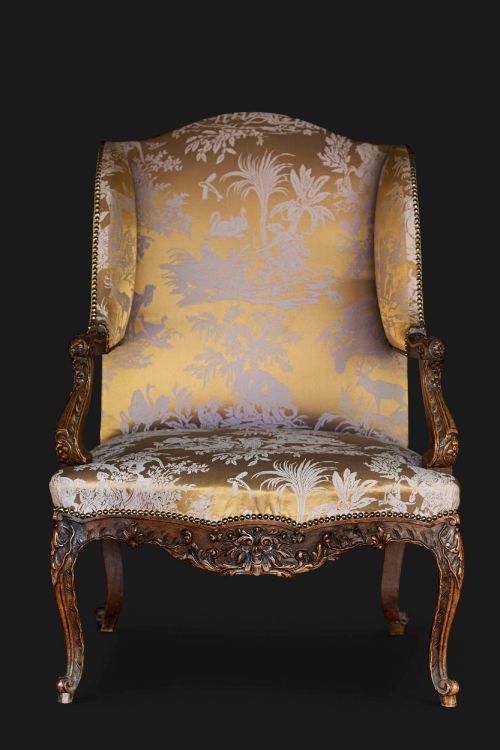
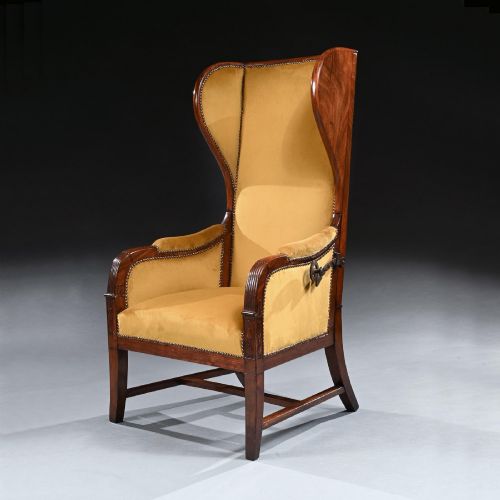
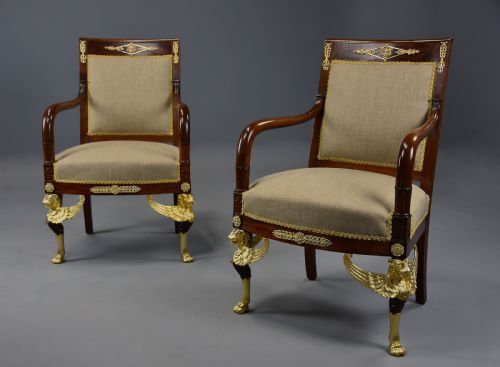
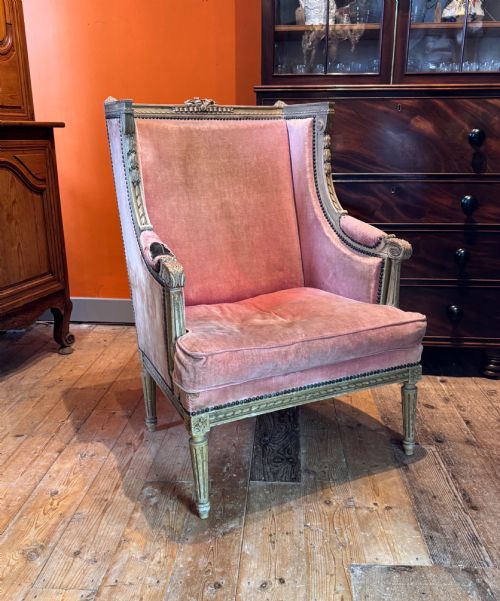
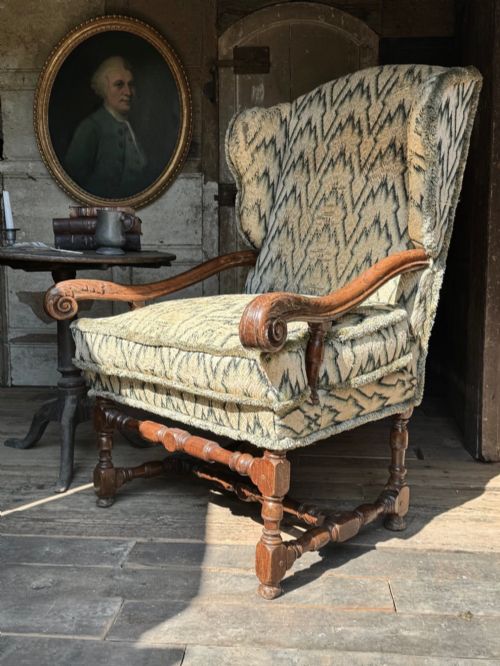
A french wing armchair is a substantial seating form designed with protective side panels on the upper back, appearing frequently across the eighteenth, nineteenth, and early twentieth centuries. These seats span formal styles such as Louis XVI, Empire, and Rococo Revival, alongside relaxed provincial forms.
The materials recorded in these seating pieces include walnut, mahogany, oak, and beech frames, upholstered in velvet, leather, linen, textile, and tapestry. Structural accents feature brass, ormolu, and iron, with finishes ranging from original paint and gilding to ebonised wood.
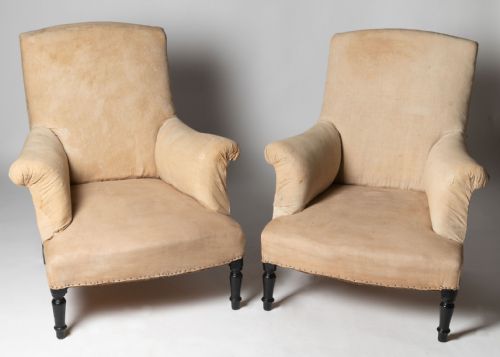
Buyers encounter walnut and mahogany frames alongside painted and giltwood surfaces, often arranged in pairs or individual grand proportions. These chairs serve as reading seats or drawing room focal points, carrying the stylistic hallmarks of continental workshops.
Materials and construction
Timber frames are constructed from dense hardwoods like walnut, mahogany, oak, and beech, shaped through carving, turning, and joinery. Carved details and show frames display hand-finished contours on arms, legs, and crest rails.
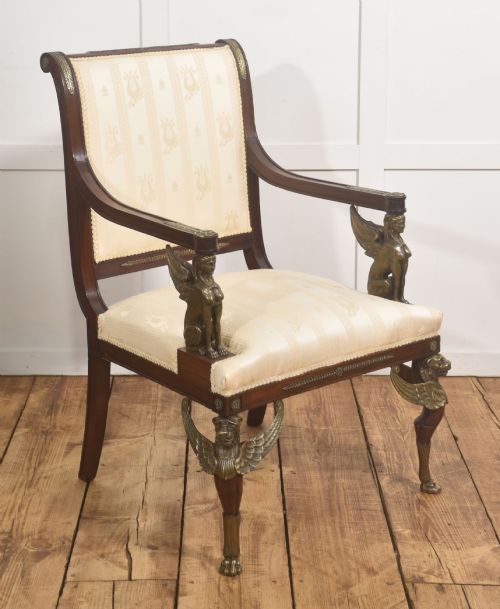
Upholstery techniques involve traditional stuffing secured with textiles, leather, velvet, linen, and tapestry. Metal elements such as brass and ormolu provide structural mounts and decorative highlights on specific Empire and revival pieces.
French Wing Armchair Retail Price Guide 2026
Typical asking prices for french wing armchair among the pieces listed under this phrase on Sellingantiques today, from the lower quarter to the upper quarter. They describe what is for sale here now, not the wider market.
Listings feature walnut, mahogany, and oak frames across nineteenth-century Victorian eras and eighteenth-century origins.
Quality distinctions
The standard of a french wing armchair rests on the depth of hand-carved detail in the wooden frame and the integrity of the timber species used. Solid walnut or mahogany frames with crisp, deep relief carving represent superior craftsmanship compared to simpler or softer timbers.
The preservation of original surface finishes, such as early paint, gilding, or patinated leather, elevates a piece above later refinishing. Proportion and balance in the curved wings and arm supports also distinguish finer studio output from standard production.
The French Wing Armchair Glossary
- Fauteuil
- An open-arm armchair with upholstered back and seat framed in exposed carved wood. The style originates from French court furniture traditions.
- Ormolu
- Gilded bronze applied as decorative mounts on furniture frames. It adds metallic contrast to mahogany and ebonised timber surfaces.
- Show frame
- The exposed wooden structure surrounding the upholstered areas of a chair. It displays the carving, polish, or paint of the period.
- Wingback
- An armchair featuring protective side panels attached to the upper back. These projections originally shielded sitters from drafts in large rooms.
French Wing Armchair: Frequently Asked Questions
What is a french wing armchair used for?
These armchairs serve as functional seating for reading, relaxing, or adding a decorative focal point to a drawing room or study. Their high backs and enclosed wings provide physical support and distinct period presence.
Historically, they occupied parlours and reception rooms, offering comfort and warmth. Today, they function comfortably in both traditional and contemporary interiors as statement seating.
How do I identify a louis xvi style chair?
Louis XVI style pieces typically feature straight tapered legs, often fluted, with rectilinear or oval back frames. Ornamentation draws on classical Roman and Greek motifs rather than the curved asymmetry of earlier rococo designs.
Look for carved ribbons, beaded moulding, and acanthus leaves on walnut or painted timber frames. These structural indicators separate the neoclassical aesthetic from heavier baroque or empire productions.
Are these chairs comfortable for daily seating?
These seating pieces are built with deep proportions, supportive back wings, and padded armrests designed for extended relaxation. Many historic examples provide generous seating depth suited to modern lounging.
Reclining variants and upholstered bergere forms offer additional ergonomic adjustments. Their robust hardwood frames ensure structural stability for everyday use.
How do I care for antique leather upholstery?
Antique leather requires gentle cleaning with specialised leather balms to maintain flexibility and prevent drying. Avoid placing leather chairs near direct heat sources or strong sunlight.
Regular dusting with a soft cloth preserves the natural patina. Professional conservation is recommended for older hides showing signs of stiffness or wear.