




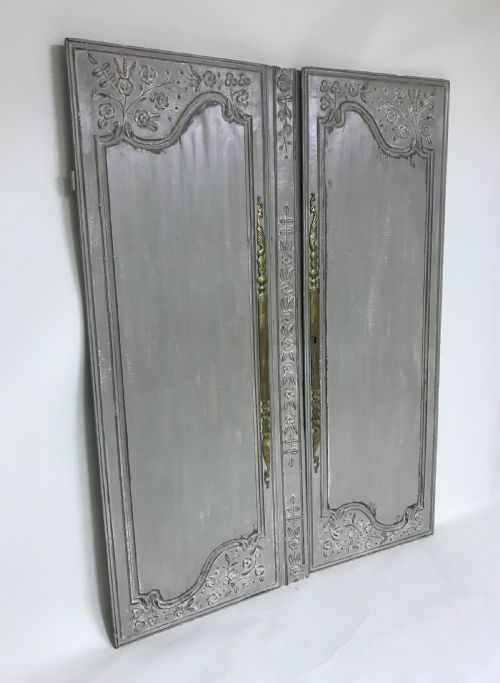

French Walnut Wardrobe
A french walnut wardrobe brings deep, figured grain and stately proportions to a bedroom, offering substantial storage inside tall timber doors.
French Walnut Wardrobe
A french walnut wardrobe appears across several distinct historical periods, taking the form of tall armoires, double door cabinets, and matching bedroom suites. These pieces originate from regional workshops and major cities, reflecting local tastes from rural provincial districts to urban centres.
The single door armoire and the expansive triple or quadruple wardrobe represent the two main variations found on this page. Many examples utilise traditional armoire construction, providing deep interior hanging space or fitted shelves behind monumental panelled doors.
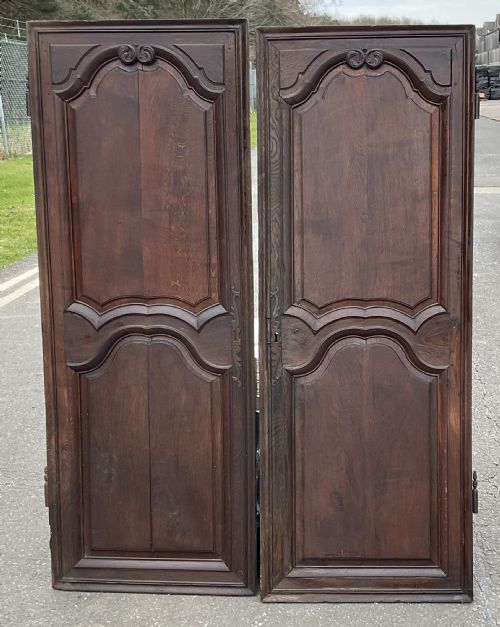
The timeline stretches from the eighteenth century through the nineteenth century and into the art deco era. Earlier items often display regional carving from areas like Burgundy, while later nineteenth-century iterations lean towards Louis XV and Louis XVI revivals.
Materials and construction
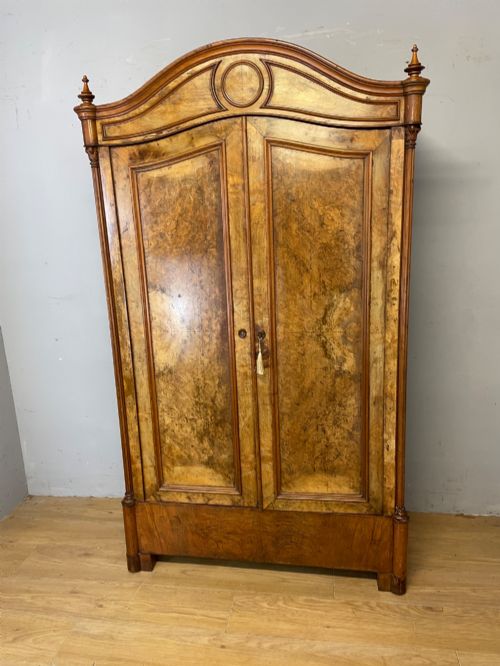
Makers utilised solid walnut alongside highly figured burr walnut veneers to cover large expanses of timber door and panel surfaces. Walnut was chosen for its rich warm tone and stability, allowing artisans to slice fine veneers for dramatic grain patterns.
Structural integrity relied on dense secondary timbers like oak for backs and internal frames, joined with traditional pegged mortise and tenon joints. Metalwork in brass, iron, or cast ormolu provided hinges, locks, and decorative mounts.
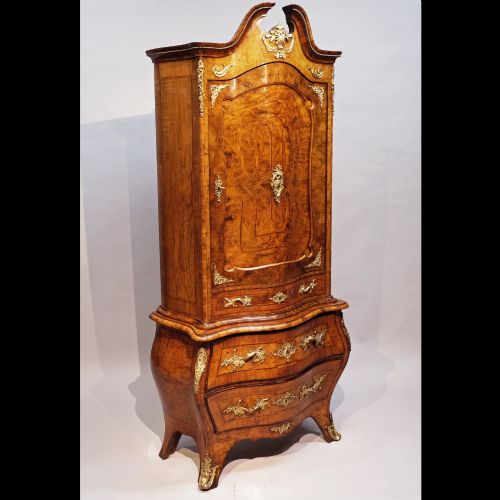
Surface decoration frequently incorporated marquetry and parquetry geometric patterns, utilising contrasting timbers such as satinwood and mahogany alongside paint finishes. Ormolu mounts were cast and chased to embellish corners and cornices on grander pieces.
Several armoires still smell faintly of old beeswax and lavender from centuries spent guarding someone's Sunday best.
Assessing quality in walnut wardrobes
The selection of the timber veneer dictates the visual impact, with matched burr walnut and intricate marquetry separating standard utility pieces from masterworks. Uniformity of grain across multiple doors indicates careful timber selection by the cabinetmaker.
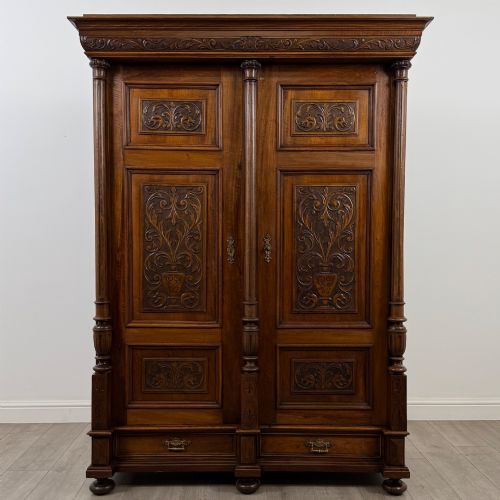
Carved ornamentation reveals the hand of the maker, distinguishing crisp, deep relief work from soft, mechanically produced mouldings. The integration of bronze or ormolu mounts that fit seamlessly into the walnut carcass further marks out superior construction.
JEAN FAURE·Mercier
The French Walnut Wardrobe Glossary
- Armoire
- A large standing cupboard with doors, traditionally used for storing clothes. These tall pieces form the majority of the wardrobe listings here.
- Burr walnut
- A prized veneer taken from the warted growth on a walnut tree, yielding swirling, knotty patterns. It is frequently applied to the main doors of grander cabinets.
- Ormolu
- Gilded bronze mounts used for decorative effect on furniture corners and feet. These metal fittings add metallic contrast to the dark timber.
- Marquetry
- Inlaid patterns of wood veneer forming decorative pictures or geometric designs. Artisans used contrasting timbers like satinwood to create these surface motifs.
French Walnut Wardrobe: Frequently Asked Questions
How do I fit hanging rails inside an antique armoire?
Many older pieces were designed with interior shelves or linen presses rather than modern coat hangers. Carpenters often install brass or wooden rails tailored to the internal depth without altering the historic carcass.
Depth varies considerably between regional armoires and later Victorian double wardrobes. Measuring the internal clearance ensures standard coat hangers clear the closed doors.
Can these wardrobes be dismantled for transport?
Most large French armoires utilise knock-down construction with wooden peg joints holding the cornice, base, and side panels together. This modular design allowed historical makers to deliver bulky furniture through narrow stairwells.
Enquiring about the specific assembly method helps determine whether professional installation is required. Solid seventeenth and eighteenth-century examples require careful handling during transit.
What is the difference between an armoire and a wardrobe?
An armoire is the traditional continental European term for a large cupboard with doors, whilst wardrobe is a more general British descriptor. French pieces often retain deeper proportions and distinctive provincial mouldings.
Both types serve identical storage functions in modern bedrooms. The distinction lies primarily in regional design vocabulary rather than internal capacity.
How should I maintain burr walnut veneer?
Walnut timber benefits from periodic application of quality beeswax to nourish the grain and prevent the dry veneer from lifting. Avoiding direct sunlight and maintaining stable room humidity protects the fragile burr patterns.
Modern solvent cleaners damage antique polish surfaces and should be avoided entirely. Soft, dry cloths provide the best daily maintenance for polished panels.