
French Walnut Accent Chair
A french walnut accent chair brings warmth and historic proportion to a room, offering sculptural comfort built from enduring timber.
French Walnut Accent Chair
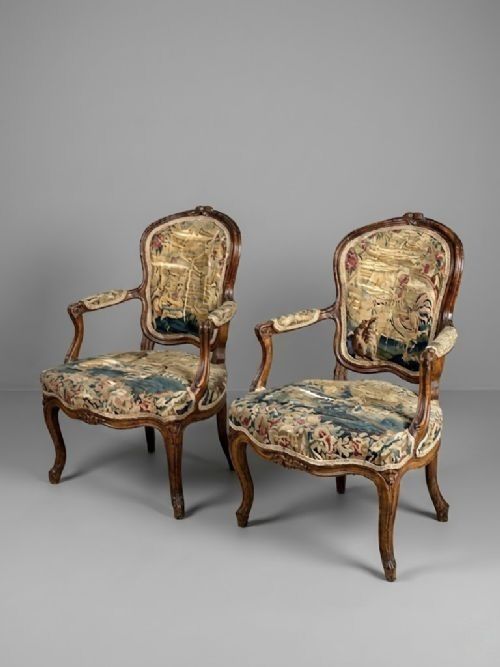
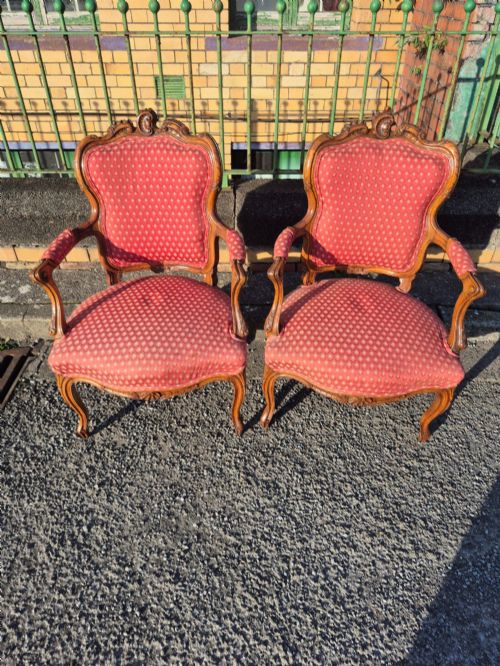
A french walnut accent chair embodies centuries of seating design, spanning formal salon chairs and relaxed armchairs rooted in continental traditions. The pieces on this page draw from the seventeenth, eighteenth, nineteenth, and early twentieth centuries, reflecting changing domestic fashions.
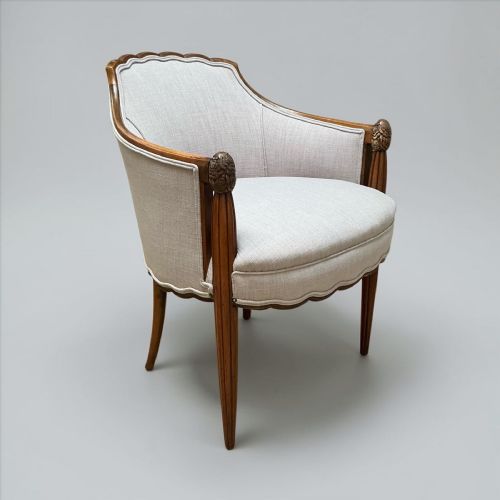
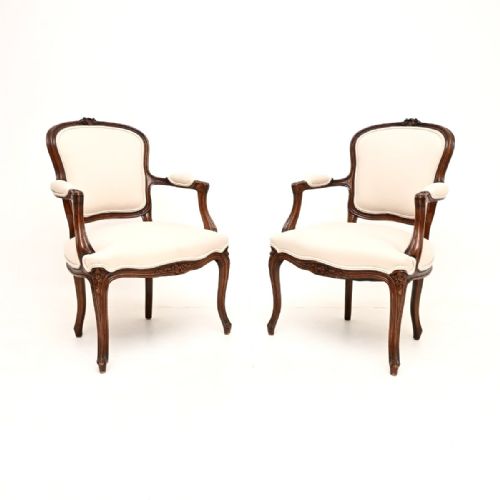
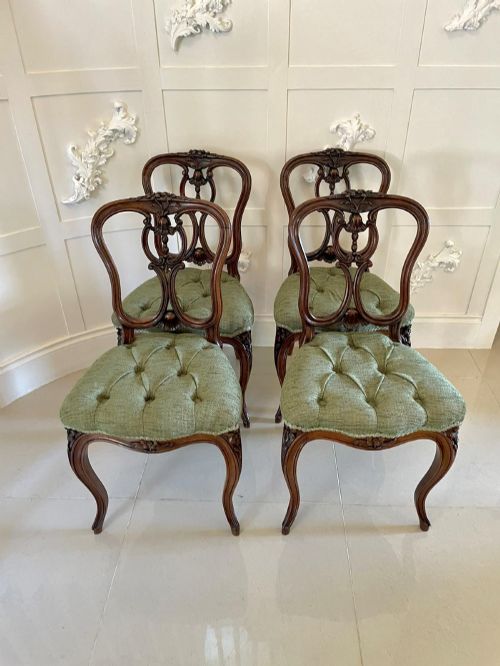
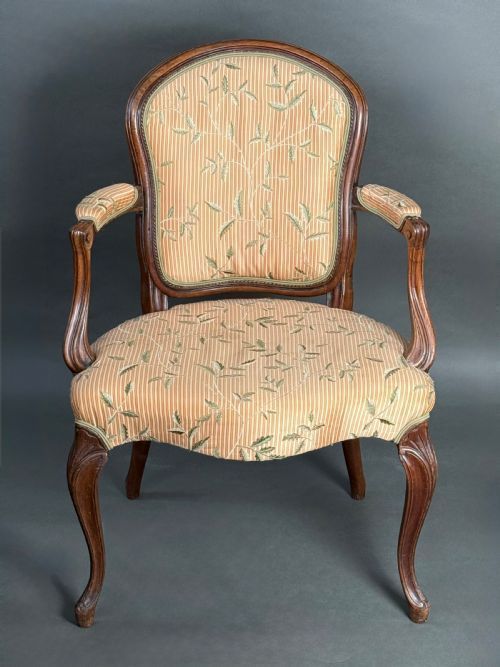
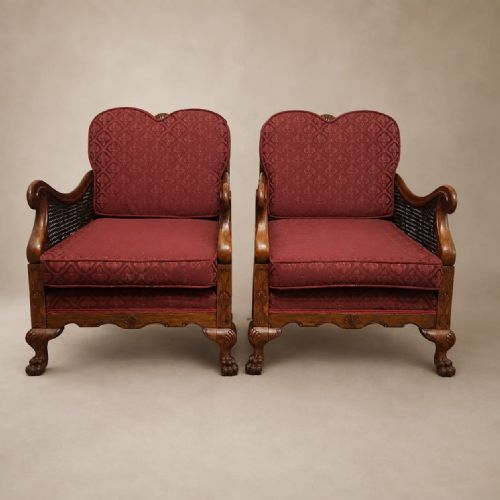
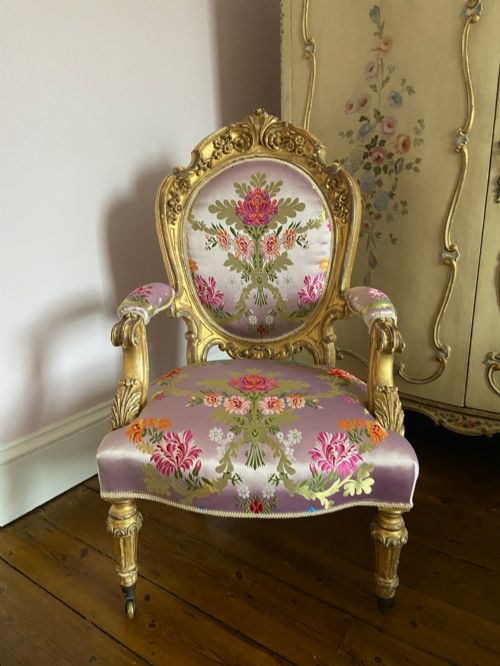
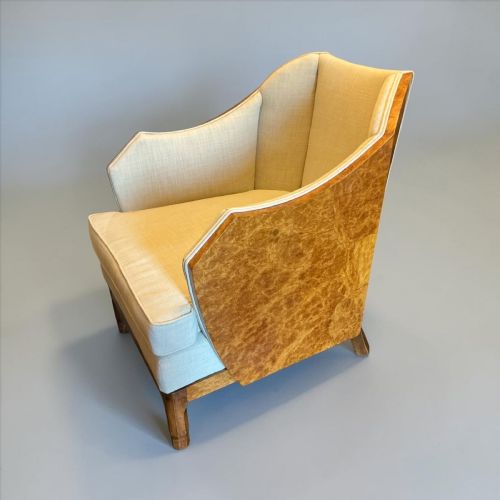
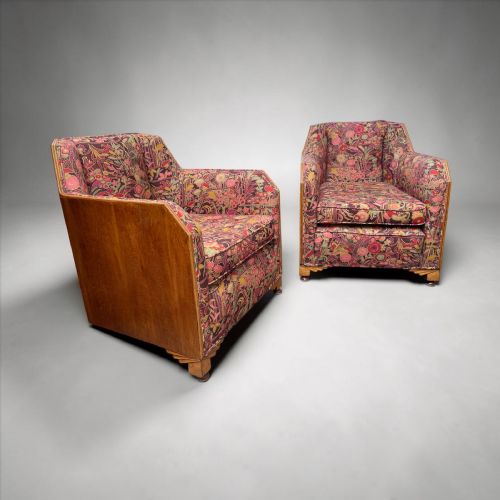
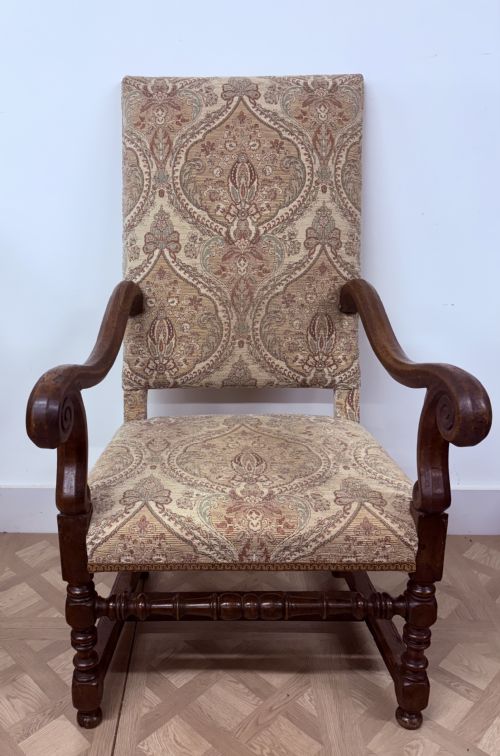
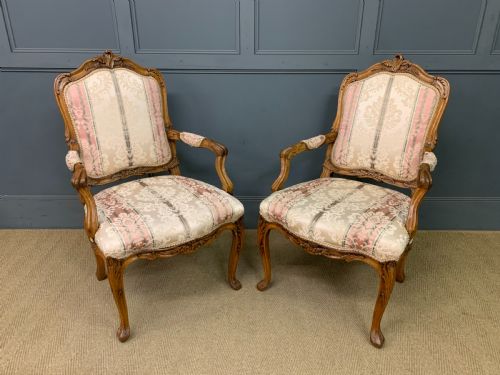
Buyers encounter diverse forms, including open armchairs, fauteuils, bergere chairs with split cane panels, and carved side chairs. Stylistic influences range from Louis XV revival and Rococo to Art Deco and French Chateau aesthetics.
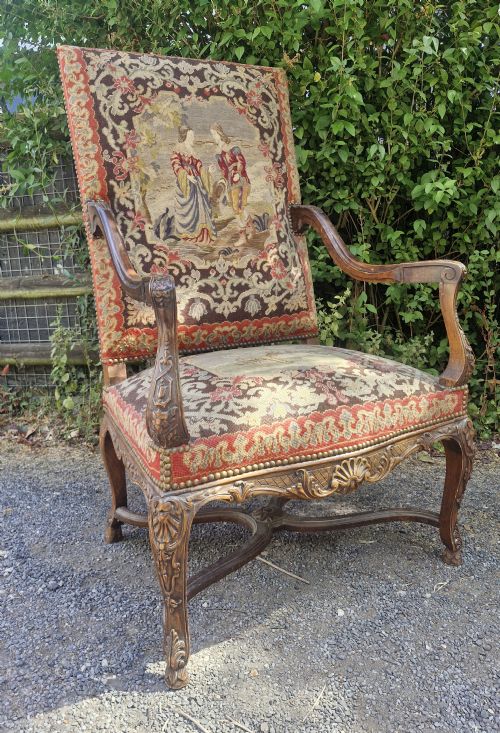
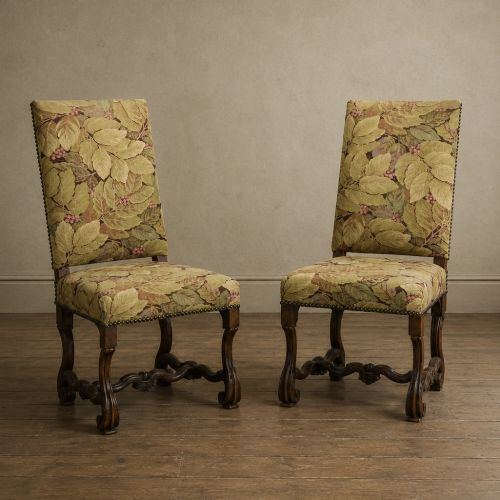
The timber framework provides structural integrity while displaying the rich grain of walnut, often paired with traditional textile coverings such as tapestry, silk, needlework, and velvet.
Materials and Construction
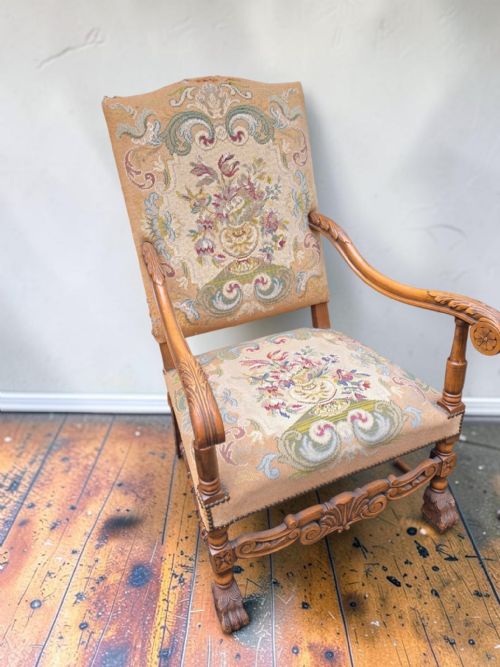
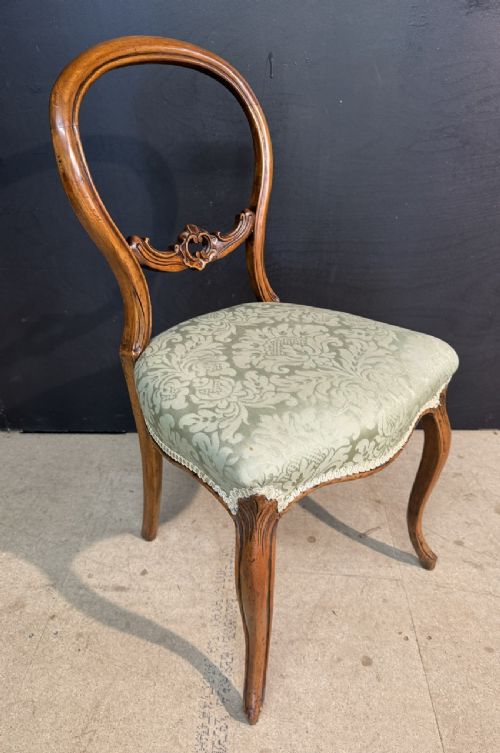
Makers shaped solid walnut into curved frames, cabriole legs, and elaborate carved details, utilising the hardwood for both strength and decorative potential.
Upholstery techniques combined traditional stuffing with textiles such as silk, needlework panels, and tapestry, secured within or over the wooden structure.
Certain examples incorporate split cane work for backrests and seat panels, adding texture alongside brass details or gilded wooden accents.
Walnut serves as the primary timber across the selection, complemented by fabric, velvet, tapestry, and cane.
Distinctions in Quality
The crispness of hand carving on the walnut frame separates standard production from superior examples, where floral motifs and scrollwork retain sharp depth.
The choice of covering material influences character, with hand-stitched needlepoint, antique tapestry, and specialist silk upholstery representing higher levels of period execution.
Structural harmony between the wooden chassis and the upholstered elements dictates success, where proportion and joinery remain solid over generations of use.
The French Walnut Accent Chair Glossary
- Fauteuil
- An open-framed armchair with upholstered back and armrests, originating in France during the seventeenth century. These chairs typically feature exposed wooden framing around the padded sections.
- Bergere
- An enclosed upholstered armchair with a wooden frame and solid sides, often incorporating cane work panels. This form prioritises comfortable domestic seating.
- Cabriole leg
- A furniture leg that curves outward in a convex arc before tapering inward in a concave arc, ending in a pad or scroll foot. This shape is characteristic of Louis XV and Rococo revival designs.
- Caquetoire
- A high-backed wooden armchair designed during the sixteenth and seventeenth centuries, featuring a narrow trapezoidal seat. The name derives from a French verb meaning to chatter or converse.
- Needlework
- Hand-stitched textile work using yarn on a canvas mesh ground, frequently employed for period upholstery. It provides durable and decorative panels for seat backs and pads.
French Walnut Accent Chair: Frequently Asked Questions
How do I distinguish Louis XV style from Art Deco?
Louis XV style pieces display curved cabriole legs, organic floral carving, and scrollwork derived from eighteenth-century models. Art Deco examples favour streamlined geometric lines, smooth walnut surfaces, and simplified modern silhouettes.
Studying the transition from nineteenth-century revivalism to twentieth-century modernism clarifies these distinct periods.
Where should I place an accent chair in my home?
An accent chair serves well in a living room corner, beside a fireplace, or functioning as a desk or vanity chair in a bedroom. Their decorative carved walnut frames and upholstered panels add textural contrast to plain walls.
Consider the scale of the room and the height of surrounding furniture when positioning these chairs.
Are these chairs suitable for daily seating?
Most antique and vintage chairs remain sturdy enough for regular use, provided the internal frame and upholstery webbing are secure. Lighter side chairs function best for occasional seating or dressing tables.
Heavier armchairs offer substantial support for daily lounging in domestic spaces.
How do I identify the period of a walnut frame?
Dating relies on observing tool marks, the style of carving, and the construction methods used in the walnut chassis. Earlier seventeenth and eighteenth-century pieces show hand-cut joinery, while nineteenth-century revivals often adapt historical motifs with machine assistance.
Comparing the specific stylistic details against known design eras helps determine age.