

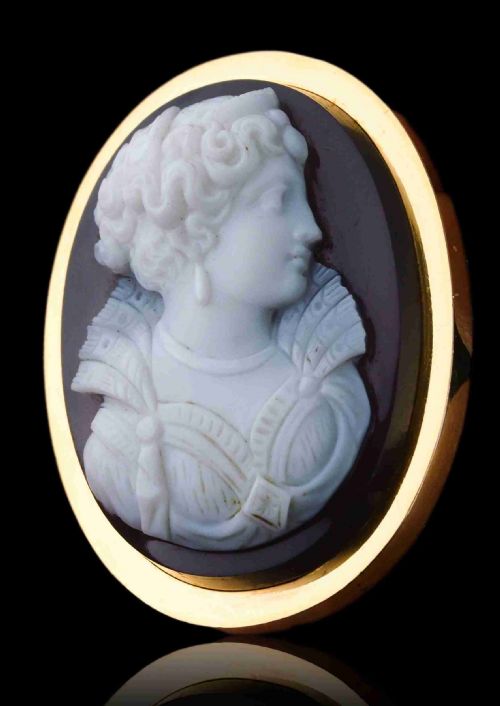


French Victorian Brooch
A french victorian brooch brings together nineteenth-century craftsmanship and rich materials to elevate any lapel.
French Victorian Brooch
When you search for a french victorian brooch, you find nineteenth-century pieces spanning the Victorian period and around 1890. These jewels arrive in forms such as bar brooches, floral sprays, pendants, and convertible pieces.
The selections showcase cameo designs, hardstone settings, and double clusters. Many pieces hail directly from French workshops during the nineteenth century, including French Second Empire examples.
Buyers frequently encounter agates, amethysts, garnets, chalcedony, and labradorite set within these historic frames. Each object carries the distinct decorative vocabulary of the era.
How these jewels were constructed
Makers utilised 18ct gold, yellow gold, and solid silver gilt to form the structural mounts and intricate settings. Combination pieces often paired silver with gold to enhance the brilliance of mounted stones.
Gems such as diamonds, pearls, and paste were painstakingly arranged into floral spray, acanthus, and triple cartouche designs. Enamel work further added vivid colour to select pieces.
French Victorian Brooch Retail Price Guide 2026
Typical asking prices for french victorian brooch among the pieces listed under this phrase on Sellingantiques today, from the lower quarter to the upper quarter. They describe what is for sale here now, not the wider market.
The documented pieces span the nineteenth century, including specific dates around 1880 and 1890.
What separates the finest examples
The refinement of the carving on hardstone and agate cameos dictates much of the visual appeal. Sharp, detailed relief work requires superior skill from the nineteenth-century lapidary.
The integration of convertible elements, such as dual necklace and brooch fittings, demonstrates higher technical ambition in the workshop. Material choices, from natural pearls to high-grade diamonds, elevate the standing of individual jewels.
The French Victorian Brooch Glossary
- Hardstone
- A semi-precious stone such as agate or chalcedony used for carving detailed cameo portraits. These stones provide a durable contrasting background for the raised motif.
- Silver Gilt
- Silver covered with a thin layer of gold to give the appearance of solid gold. This technique was frequently utilised in nineteenth-century French jewellery.
- Cartouche
- An ornamental frame or tablet design, sometimes arranged in multiples like the triple cartouche. It serves to highlight central motifs or enamel work.
- Acanthus
- A classical foliage motif translated into metalwork and engraving during the nineteenth century. This decorative style draws on ancient architectural forms.
French Victorian Brooch: Frequently Asked Questions
How do I wear a convertible brooch?
Many nineteenth-century pieces feature hidden loops or detachable bails that allow the jewel to transition between a lapel pin and a pendant necklace. This versatility was common in finer pieces.
Ensure the pin mechanism fastens securely before wearing it as a brooch on heavier fabrics. When suspended from a chain, check that the pendant bail balances the weight evenly.
What materials are common in these brooches?
The listings show frequent use of 18ct gold, yellow gold, and silver, often paired together in French mountings. Gemstones include diamonds, pearls, amethysts, garnets, and labradorite.
Carved hardstone, agate, and chalcedony also appear alongside enamel and paste details. These varied components reflect the eclectic tastes of the nineteenth century.
Are these pieces strictly French in origin?
The pieces recorded on this page are specifically noted as French or originating from France during the nineteenth century. This encompasses styles from the Victorian era and the French Second Empire.
Such attribution is typically supported by hallmarks or stylistic conventions unique to French ateliers of the period. Buyers should examine any visible marks for further context.