


French Vernis Martin
French vernis martin pieces combine intricate painted panels with rich timber framing to bring decorative elegance to interior spaces.
French Vernis Martin
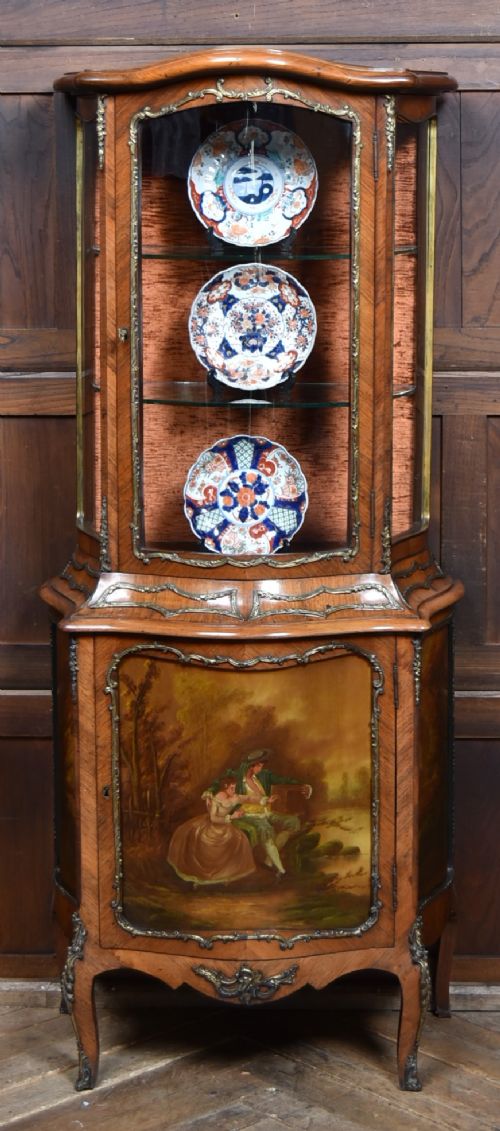
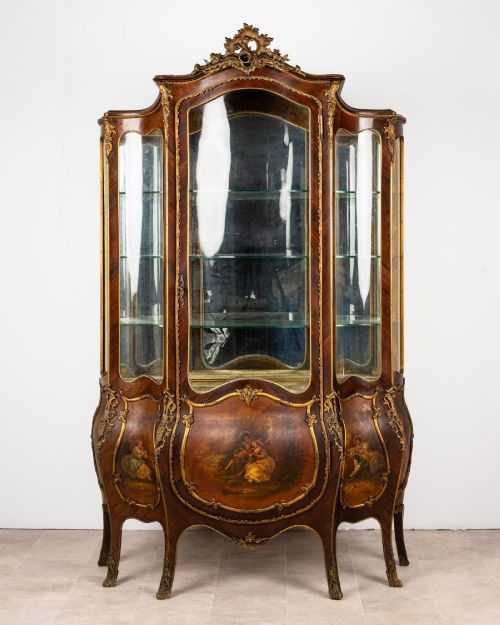
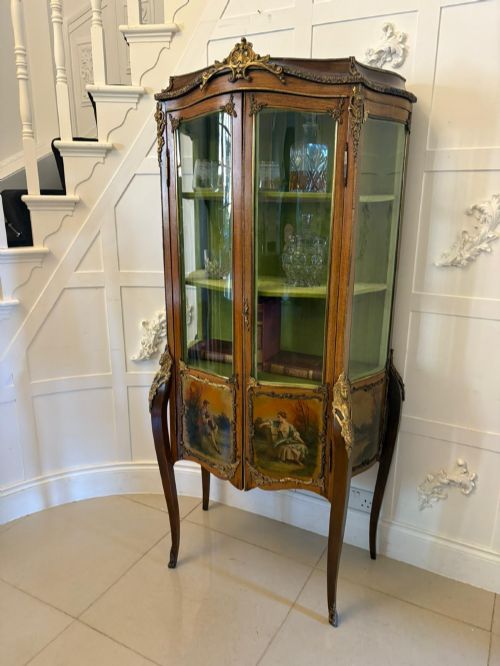
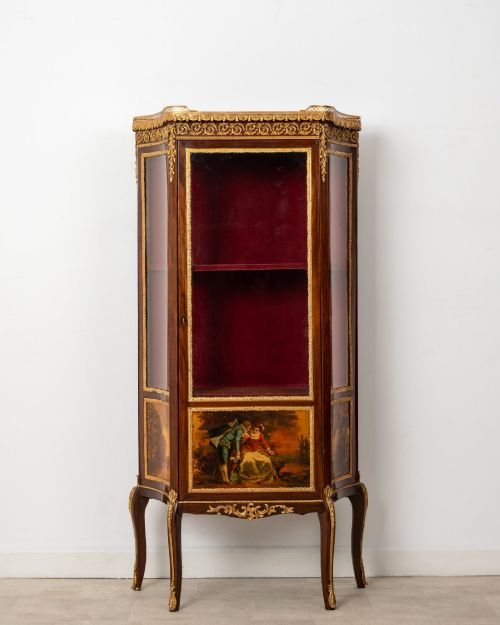
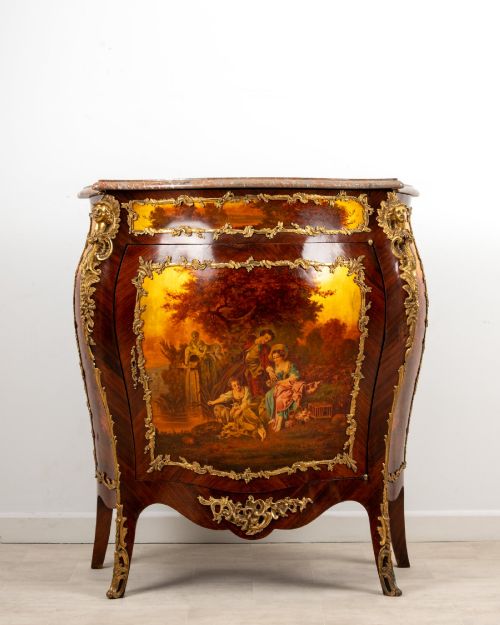
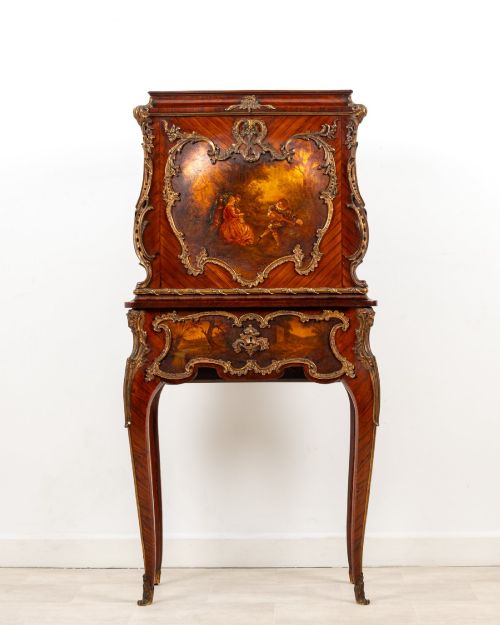
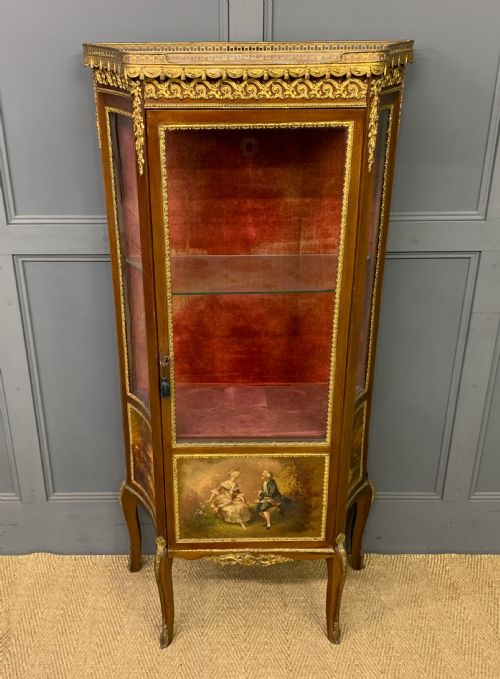
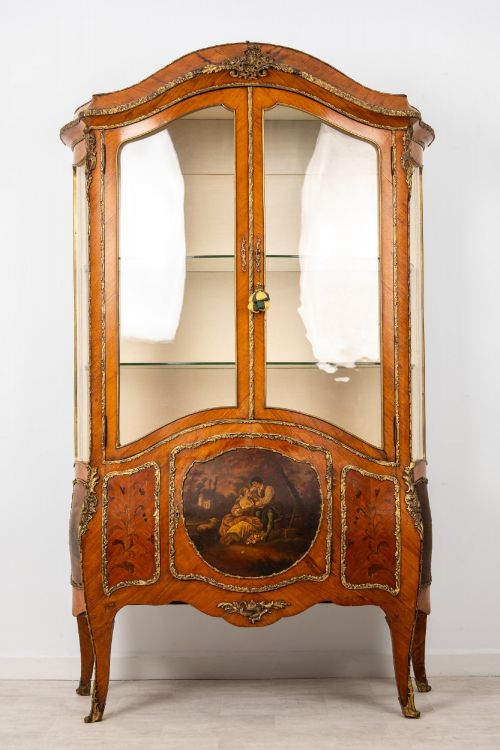
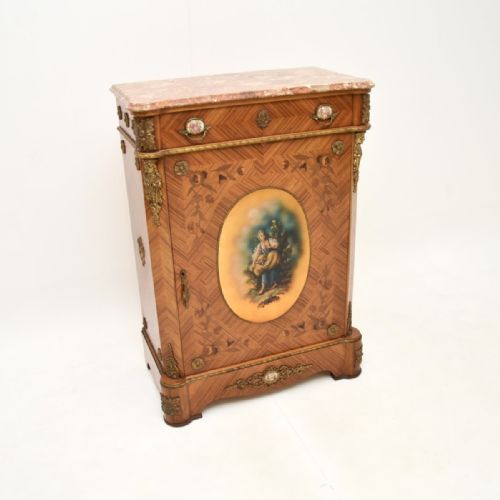
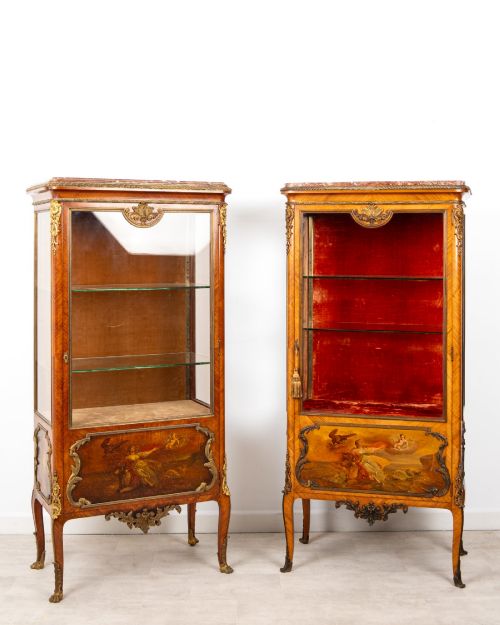
French vernis martin items primarily comprise large display furniture designed to showcase decorative objects alongside painted panels. Vitrines, commodes, and writing cabinets dominate the selection, heavily influenced by Louis XV revival aesthetics.
Makers and cabinetmakers of the nineteenth century produced these works using substantial timber carcases mounted with gilt bronze. The form relies upon curved surfaces and glass panels to display the characteristic lacquerwork within domestic rooms.
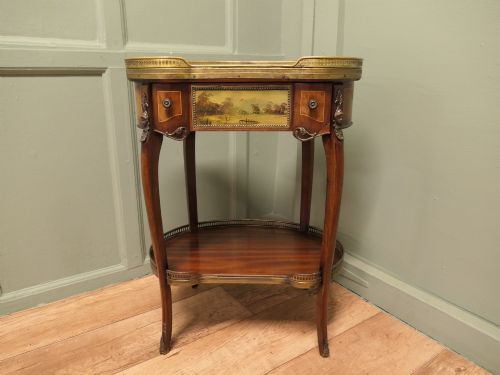
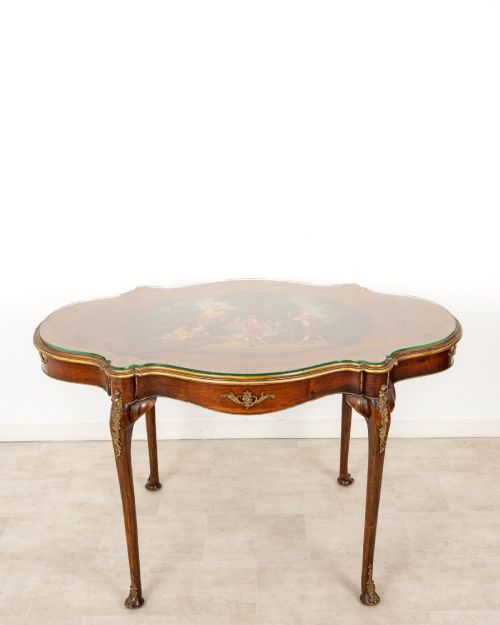
Most examples originate from nineteenth-century Parisian workshops adopting historical French styles. Buyers encounter both freestanding display cabinets and smaller occasional tables bearing characteristic painted figural scenes.
How they were made
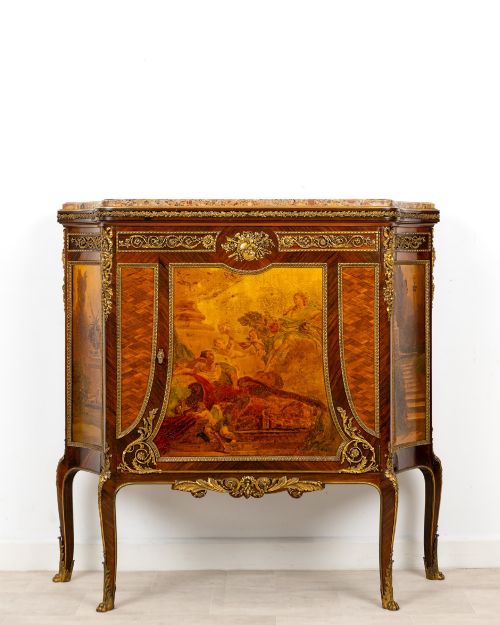
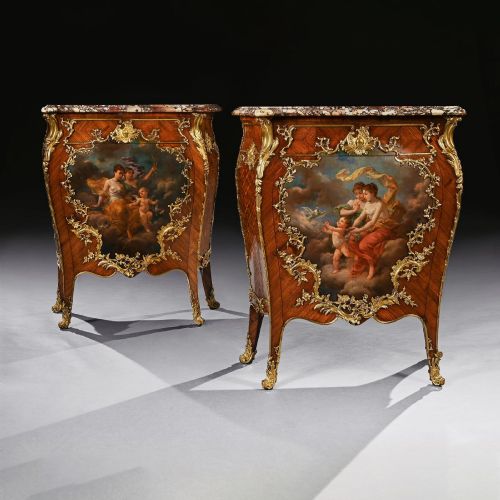
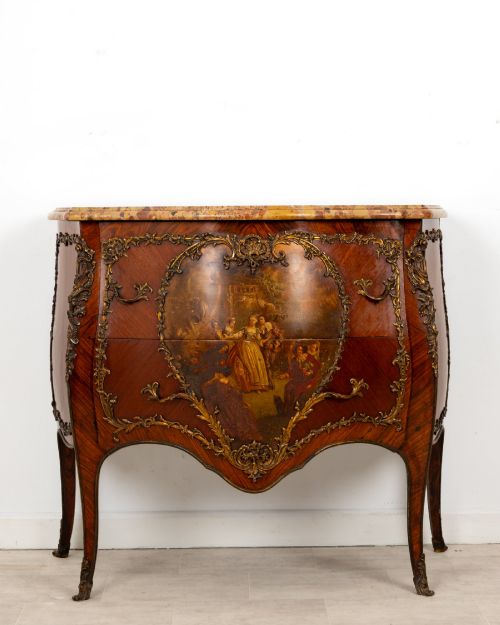
Craftsmen built the underlying structures from hardwoods such as kingwood and mahogany, often applying shaped veneer over oak carcases. Marble slabs frequently topped these surfaces to provide durable working or display areas.
Gilt bronze and ormolu mounts punctuated the timber frames, highlighting corners and framing the painted scenes. Glass panels fitted into doors and sides allowed light to enter display vitrines.
The distinctive lacquer panels utilised layered varnishes applied over painted decorations to imitate Asian lacquer techniques developed in Europe. This finish required multiple drying and polishing stages to achieve a smooth gloss.
French Vernis Martin Retail Price Guide 2026
Typical asking prices for french vernis martin among the pieces listed under this phrase on Sellingantiques today, from the lower quarter to the upper quarter. They describe what is for sale here now, not the wider market.
Listings feature nineteenth-century periods alongside Edwardian items, incorporating materials such as ormolu, kingwood, marble, and glass.
What varies in quality
The precision of the ormolu mountings and the crispness of their chasing separate standard furniture from exhibition pieces. Superior examples feature individually cast and hand-finished bronze details integrated seamlessly into the timber.
Painted panels exhibit wide variation in artistic skill, ranging from simple floral motifs to detailed figural compositions. Finer works display depth and perspective within the painted scenes rather than flat decoration.
The selection of timber veneers and the complexity of the cabinet construction also indicate grade. Bombé shapes and serpentine fronts demand advanced carpentry skill compared to flat-sided carcases.
François Linke
The French Vernis Martin Glossary
- Vernis Martin
- A European lacquer technique developed in France to imitate Asian lacquer finishes. It involves layering varnishes over painted decorations.
- Ormolu
- Gilt bronze mounts applied to furniture. Artisans cast and mercury-gilded these decorative metal elements to accent cabinet corners and frames.
- Vitrine
- A glass-fronted display cabinet. These pieces allow the viewing of porcelain and small objects while protecting them from dust.
- Commode
- A low chest of drawers or cabinet. French examples frequently feature marble tops and shaped wooden fronts.
- Kingwood
- A dense tropical timber valued for its rich grain patterns. Cabinetmakers used it extensively as a veneer on nineteenth-century luxury furniture.
- Secrétaire à abattant
- A tall writing cabinet with a drop-down flap. This form conceals small drawers and pigeonholes behind a vertical writing surface.
French Vernis Martin: Frequently Asked Questions
What is French vernis martin?
French vernis martin refers to furniture decorated with a specialised European lacquer finish developed in the eighteenth century and revived later. The technique imitates Asian lacquer through layered varnishes applied over painted panels.
These painted scenes typically depict pastoral or mythological subjects framed within decorative wood and gilt bronze mounts. The finish appears predominantly on display cabinets, commodes, and writing desks.
How do I date a vernis martin cabinet?
Dating relies upon examining the construction methods, timber choices, and mounting styles used in the carcase. Most pieces found today date from the nineteenth-century revival periods rather than the eighteenth century.
Characteristics like machine-sawn timber or specific bronze casting techniques help narrow the production era. Makers often followed historical Louis XV designs while employing contemporary workshop practices.
Where should I place a vitrine?
Vitrines suit principal reception rooms or libraries where natural light highlights the glass panels and interior contents. Placing them away from direct sunlight protects both the painted panels and the timber.
Ensure the floor is level, as heavy marble tops and solid timber carcases require stable support to keep doors aligned. Leave adequate clearance around opening doors and drop-down writing flaps.
How do I care for lacquer panels?
Maintain the painted lacquer by dusting gently with a dry, soft microfibre cloth. Avoid chemical polishes, abrasive cleaners, or moisture on the painted surfaces.
Keep the furniture away from direct heat sources and dramatic humidity fluctuations to prevent timber movement. Stable indoor conditions preserve both the varnish and the underlying wood structure.