





French Tortoiseshell Table
A french tortoiseshell table brings nineteenth-century Parisian craftsmanship into a room with striking brass marquetry and polished tortoiseshell veneer.
French Tortoiseshell Table
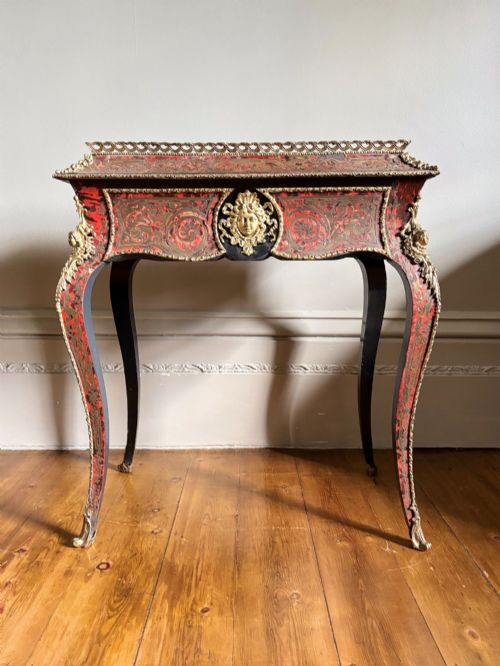
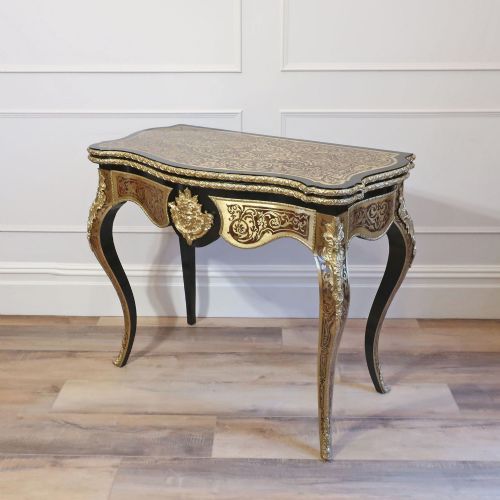
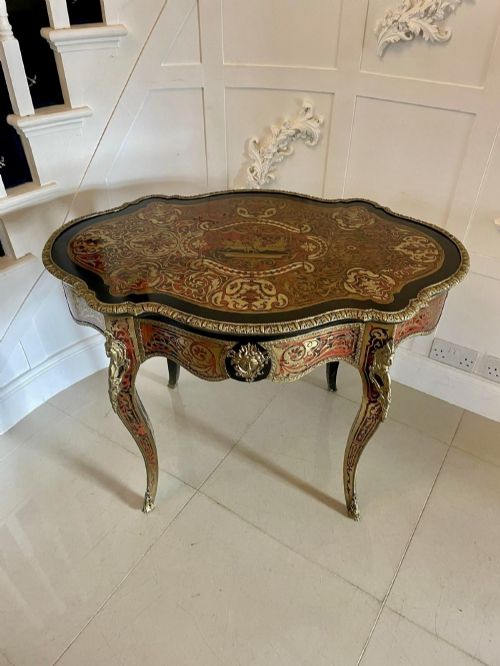
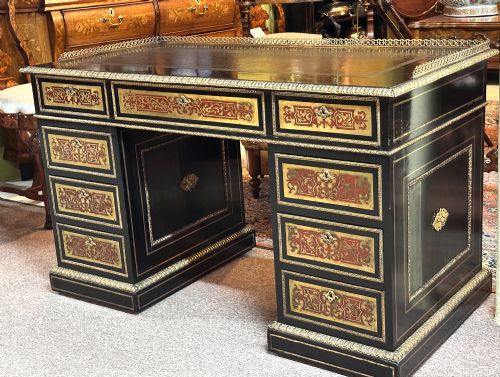
A french tortoiseshell table encompasses centre tables, writing desks, card tables, and bureau plat forms dating primarily from the nineteenth century. These pieces emerge predominantly through Victorian, Regency, and Napoleon III periods, often adopting Louis XIV, Louis XV, or Rococo revival styles.
Buyers will most frequently encounter nineteenth-century centre tables and card tables displaying intricate boulle work across scarlet red or dark tortoiseshell grounds. These surfaces combine with brass inlay and elaborate ormolu mounts to define the visual weight of each form.
Materials and construction methods
Maker workshops construct these pieces by pairing genuine tortoiseshell or faux tortoiseshell veneer with contrasting cut brass marquetry, often referred to as boulle work. Ebonised wood forms the structural carcase underneath these delicate shell and metal layers.
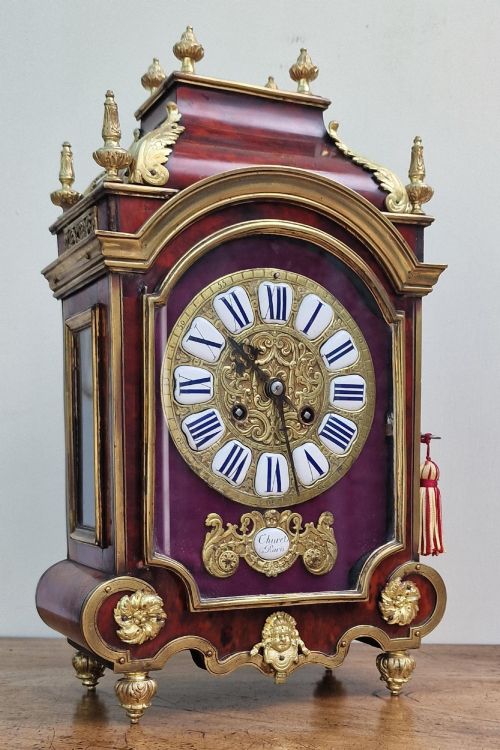
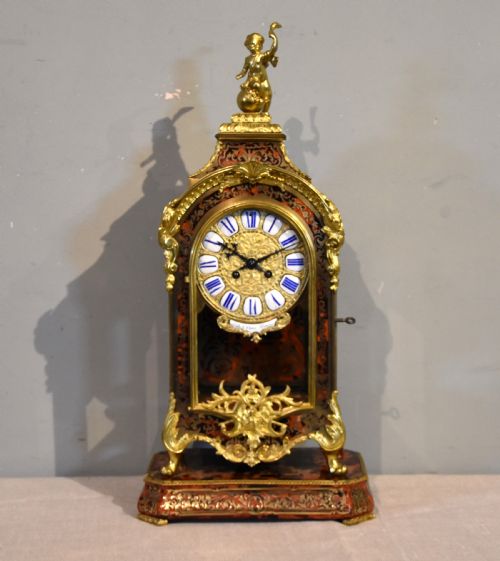
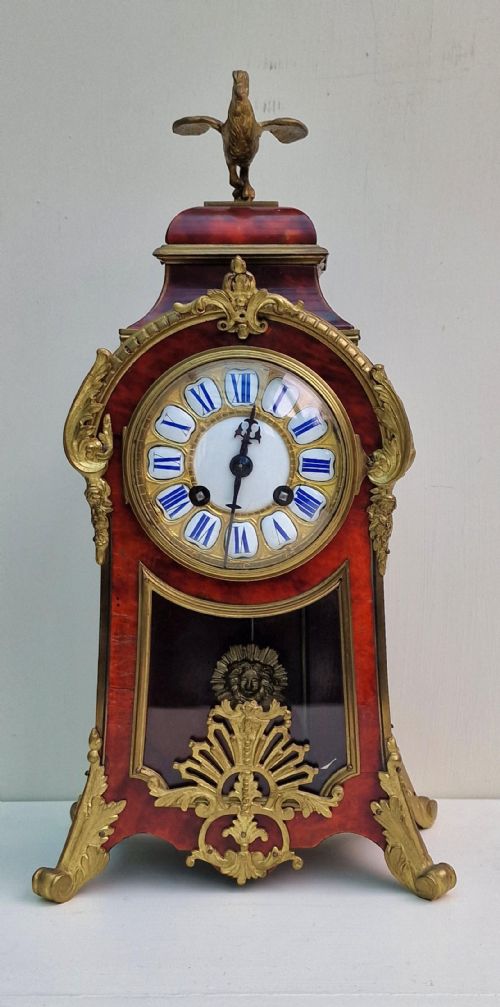
Gilt bronze and ormolu mounts punctuate the corners, edges, and feet, secured carefully to accent the curves of French revival designs. Glass panels and enamel details appear on matching clock elements, while brass enrichments thread through the marquetry patterns.
French Tortoiseshell Table Retail Price Guide 2026
Typical asking prices for french tortoiseshell table among the pieces listed under this phrase on Sellingantiques today, from the lower quarter to the upper quarter. They describe what is for sale here now, not the wider market.
Listings span nineteenth-century periods including Victorian and Regency eras, featuring materials such as brass, tortoiseshell, ormolu, and ebonised wood.
Distinctions in execution and design
Quality separates along the precision of the brass cutting and the depth of the tortoiseshell ground beneath the inlay. Finer examples display tight, seamless joints between the metal and shell elements, maintaining crisp lines across complex scrollwork and floral motifs.
The sophistication of the cast ormolu mounts and the integrity of the underlying ebonised timber frame dictate the longevity and standing of a piece. Workshop attribution, such as signed marquetry or documented maker stamps, further elevates the status of surviving items.
Thuret Paris·Edwards and Roberts·Samuel Marti·Payne London
The French Tortoiseshell Table Glossary
- Boulle work
- A method of marquetry using contrasting panels of tortoiseshell and brass cut together, named after cabinetmaker André-Charles Boulle. This technique defines the ornate surfaces of nineteenth-century French tables and clocks.
- Ormolu
- Gilded bronze mounts cast and chased by hand to adorn furniture edges and clock cases. The finish provides a bright metallic contrast against dark tortoiseshell and ebonised wood.
- Bureau plat
- A flat-topped freestanding writing desk typically fitted with drawers and elaborate surface marquetry. These tables sit centrally in a room rather than against a wall.
- Napoleon III
- A nineteenth-century revival design period associated with lavish ornamentation and eclectic reinterpretation of earlier French royal styles. Pieces from this era frequently utilise rich boulle work and gilt mounts.
- Marquetry
- The art of applying thin veneers of wood, metal, and shell to a structural carcase to form decorative patterns. Craftsmen piece these mosaic elements together meticulously before veneering.
French Tortoiseshell Table: Frequently Asked Questions
What is a boulle table?
A boulle table is a nineteenth-century French piece decorated with tortoiseshell and cut brass marquetry. These tables often feature elaborate ormolu mounts and revival styling.
They serve primarily as statement centre tables or functional writing desks within traditional interior schemes.
How do I care for tortoiseshell?
Tortoiseshell requires protection from direct sunlight and extreme humidity changes to prevent warping or cracking of the delicate veneer. Keep the surface dusted with a soft, dry cloth and avoid chemical polishes.
Maintaining stable indoor temperatures preserves both the shell and the embedded brass marquetry.
How can I date these tables?
Dating relies upon stylistic markers from periods like the Victorian era, Regency, or Napoleon III, alongside construction techniques visible in the timber framing. Nineteenth-century examples often reflect Louis XIV or Louis XV revivals.
Maker stamps and signature plaques provide definitive chronological reference points when present.
Where were these tables made?
These pieces originate predominantly from French workshops in Paris, though London retailers also imported and retailed them during the nineteenth century. Parisian cabinetmakers drove the revival styles seen across these listings.
Craftsmen in these urban centres specialised in combining exotic shell materials with intricate metalwork.