




French Terracotta Sculpture
French terracotta sculpture brings warmth and tactile depth to a room, capturing human figures, animals and classical forms through baked earth.
French Terracotta Sculpture
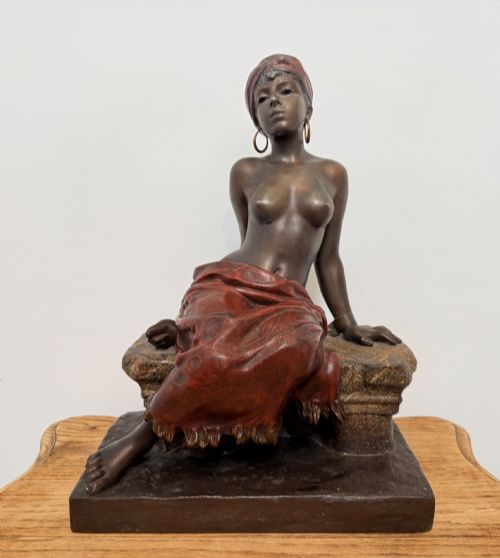
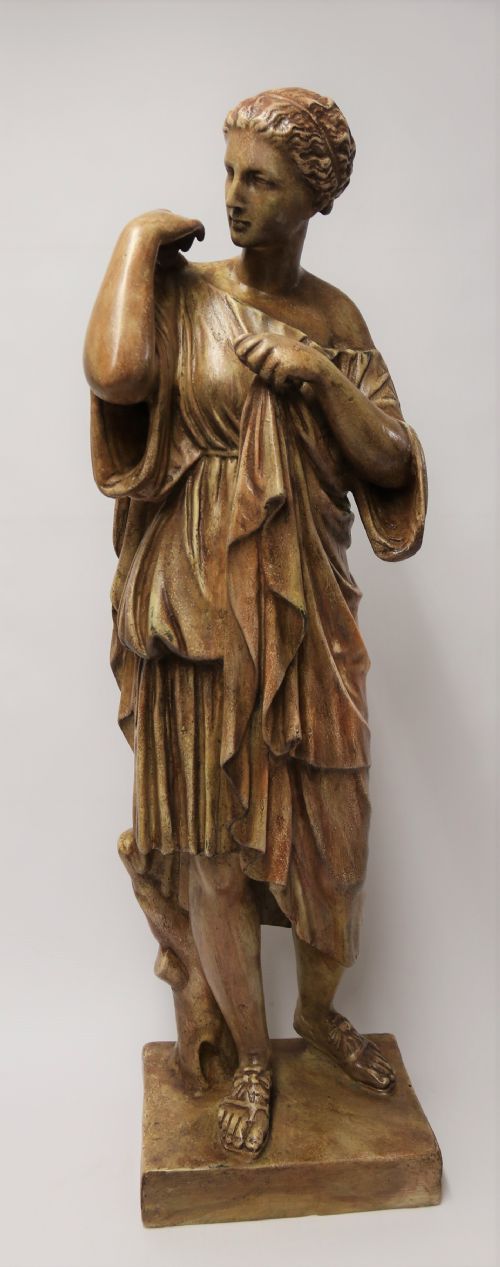
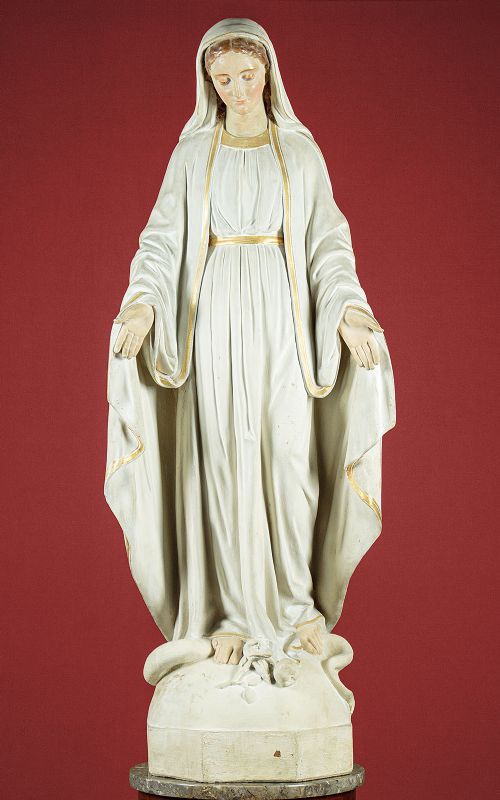
French terracotta sculpture spans several decades and movements, presenting figures, busts, animals and architectural ornaments modelled in baked clay. You will encounter nineteenth century classical studies alongside early twentieth century Art Nouveau and Art Deco pieces.
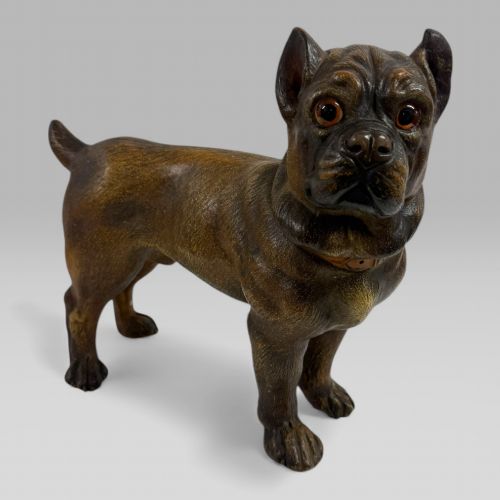
The selection ranges from female busts and mythological subjects to folk art figures and animalier sculptures. Many pieces bear signatures or foundry marks from periods extending from the Victorian era through the nineteen forties.
Materials and construction
Pieces are formed from clay or earthenware, then fired and often finished with paint, glaze or patination to emulate bronze. Some examples combine terracotta with plaster, glass or marble bases.
Moulding and hand modelling techniques produce both smooth neoclassical surfaces and textured folk art finishes, occasionally incorporating wall relief plates or illuminated elements.
Listings feature terracotta sculptures spanning the Victorian era through the nineteen fifties, including earthenware, plaster, and glazed finishes.
Evaluating quality and execution
Quality rests upon the crispness of the modelling and the sensitivity of the finish, whether painted, glazed or patinated. Finer works display fluid lines and detailed anatomical precision in the clay.
Signatures from known sculptors and marks from specific potteries elevate a piece, distinguishing mass-produced decorative items from masterworks of the period.
E Villanis·Gilbert Privat·Georges Morin·Ary Bitter·Paul Philippe·Ugo Cipriani
The French Terracotta Sculpture Glossary
- Terracotta
- A porous fired clay used for sculptural and decorative objects. It usually ranges in colour from pale buff to deep reddish brown.
- Animalier
- A nineteenth and twentieth century genre devoted to the realistic portrayal of animals. Sculptors often rendered dogs, cats and livestock in lifelike poses.
- Art Nouveau
- A decorative style prevalent around nineteen hundred characterised by organic, flowing lines and female forms. Sculptures from this period frequently depict mythological or natural subjects.
- Art Deco
- A twentieth century design movement favouring streamlined geometric forms and stylised figures. Glazed terracotta works from this era display clean contours.
- Bavent
- A pottery region in Normandy known for ceramic animal figures and roof tile ornaments. These folk art pieces capture local fauna with charm.
French Terracotta Sculpture: Frequently Asked Questions
How do I clean a terracotta sculpture?
Dust gently with a soft dry brush to protect the porous surface and any applied paint or patination.
Avoid using water or liquid cleaners, which can penetrate the unglazed clay and cause damage over time.
Are these sculptures solid or hollow?
Larger figures are typically hollow or built around a supportive core to ensure even firing in the kiln.
Smaller busts and animal figures may be cast more solidly depending on the workshop method.
How can I date a terracotta piece?
Look to the style, such as Art Nouveau or Art Deco, alongside any artist signatures and foundry marks.
Materials like added marble bases or specific glaze types also offer clues to the era of production.
Can terracotta sculptures go outdoors?
Most antique and vintage pieces are intended for indoor display where they are protected from frost and moisture.
Freezing temperatures can cause porous fired clay to expand and crack if left outside.