



French Terracotta Art
French terracotta art brings together moulded earthenware figures, busts and wall reliefs spanning the nineteenth and twentieth centuries.
French Terracotta Art
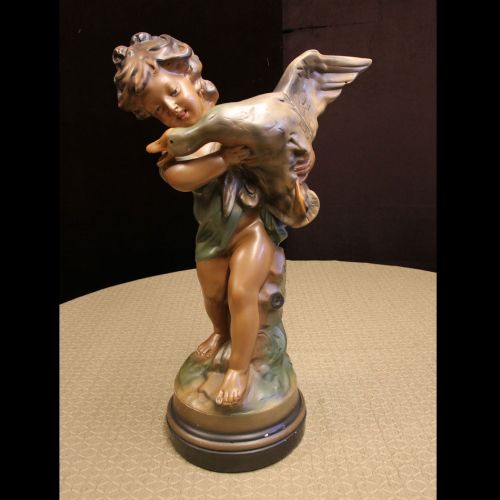
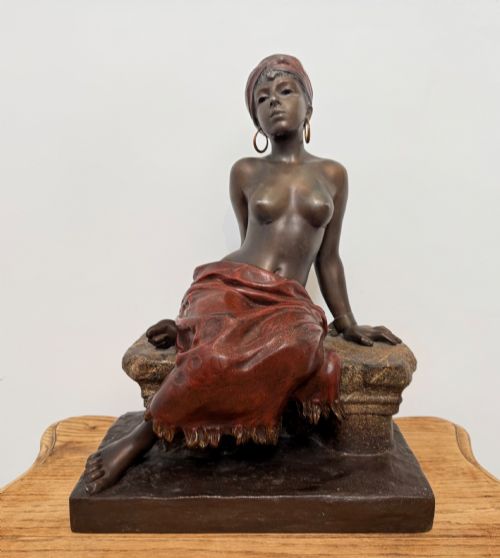
When searching for French terracotta art, buyers encounter fired clay sculptures, busts and architectural pieces originating from workshops across France. The selection includes nineteenth-century figurative works alongside Art Nouveau and Art Deco examples.
The material appears in distinct forms, from detailed portrait busts of female subjects to folk art animal figures and architectural wall reliefs. Earthenware takes on varied patinas and glazes depending on the period of production.
How they were made
Maker's work with terracotta involves shaping refined clay before firing the piece in a kiln to achieve a durable ceramic body. Sculptors often patinated the finished surface to simulate bronze or left the warm reddish earth exposed.
Moulding and hand-finishing allowed workshops to produce both signed portrait busts and utilitarian folk art items such as roof tile ornaments.
French Terracotta Art Retail Price Guide 2026
Typical asking prices for french terracotta art among the pieces listed under this phrase on Sellingantiques today, from the lower quarter to the upper quarter. They describe what is for sale here now, not the wider market.
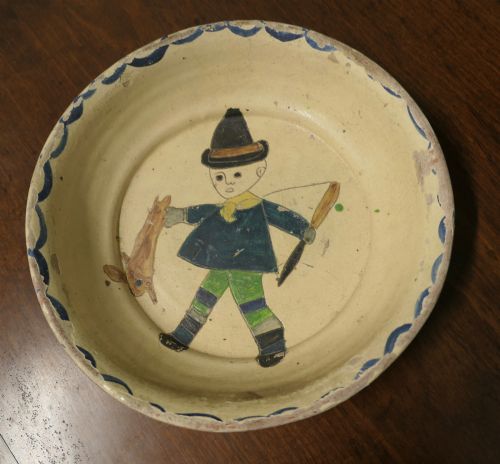
A ceramic pig from Bavent in Normandy proves that French terracotta art includes charming farmyard animals alongside grand portrait busts.
What varies in quality
Quality rests upon the crispness of the modelling and the sensitivity of the surface finish applied by the sculptor. Pieces bearing clear artist signatures or workshop stamps command greater interest from collectors.
E Villanis·Richard Avrilli·Gilbert Privat·Georges Morin·A.Gory
The French Terracotta Art Glossary
- Terracotta
- A porous earthenware clay fired at relatively low temperatures, widely used for sculptural works and architectural ornaments. Its reddish-brown colour varies according to the composition of the local earth.
- Bust
- A sculptural representation of a person depicting the head, shoulders and upper chest. This format proved particularly popular among portrait sculptors in the nineteenth and early twentieth centuries.
- Patina
- The surface sheen or colour layer developed on a sculpture through age, handling or deliberate chemical treatment. Artists often applied patination to terracotta to mimic metal or stone.
- Relief
- A sculptural technique where figures project from a flat background surface rather than standing in the round. Wall reliefs in terracotta frequently served as interior or exterior architectural decorations.
- Earthenware
- Pottery fired at lower temperatures that remains porous unless glazed. It forms the essential material base for all terracotta objects.
French Terracotta Art: Frequently Asked Questions
How do I date a terracotta sculpture?
Dating relies upon stylistic markers such as the flowing lines of Art Nouveau or the geometric angles of Art Deco. Signatures, foundry marks and registration numbers also help establish the period of creation.
Changes in surface patination and the wear patterns on the base provide further clues to the age of the earthenware body.
Where were these terracotta pieces made?
Many works originated in Parisian studios or regional workshops across France, including specialised pottery centres in Normandy. Artisans produced both fine art exhibition pieces and local folk art.
Exported works often travelled to British and European buyers through established art dealers during the nineteenth and twentieth centuries.
How should I display terracotta art?
Display requires a stable surface away from areas of high moisture and direct sunlight to protect the porous earthenware and any applied patination. Wall reliefs need secure fixings suited to the substantial weight of fired clay.
Placing pieces at eye level on sturdy consoles or mantelpieces allows the fine modelling of busts and figures to be appreciated.