

French Style Tea Table
These french style tea table selections bring continental elegance to a room, offering practical surfaces shaped by centuries of craftsmanship.
French Style Tea Table
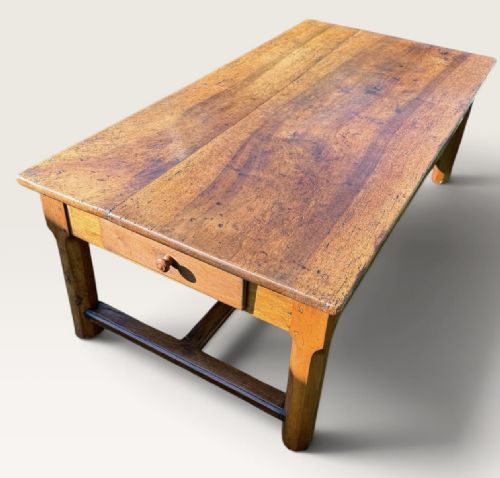
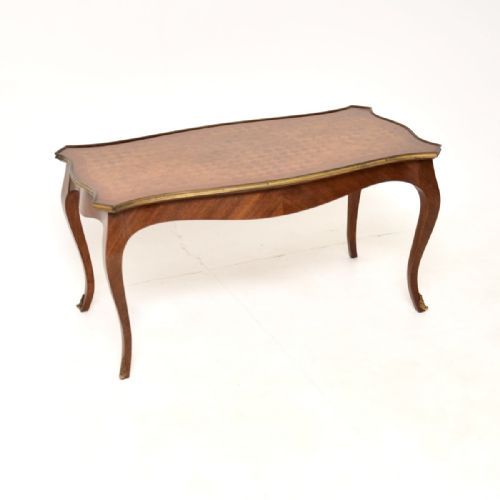
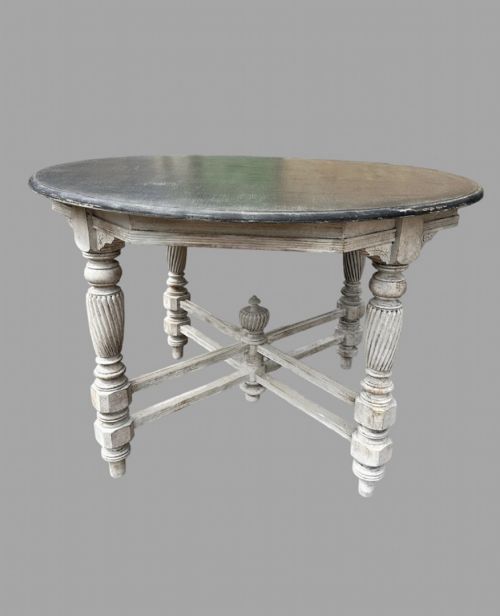
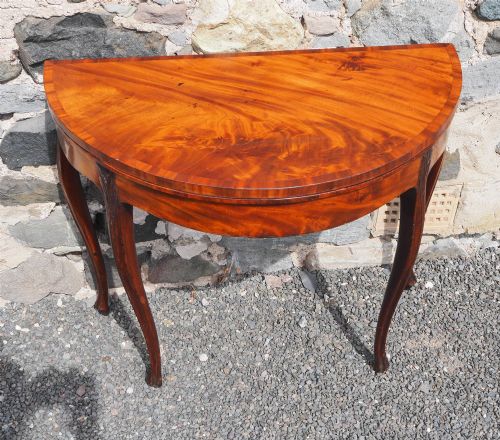
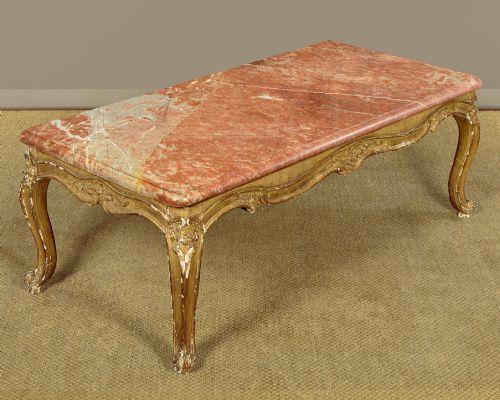
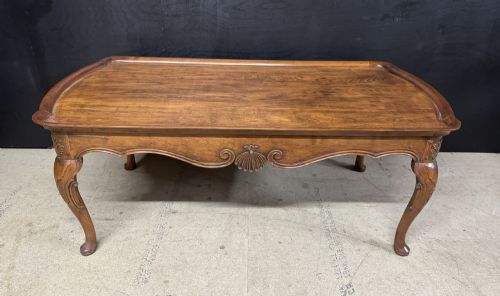
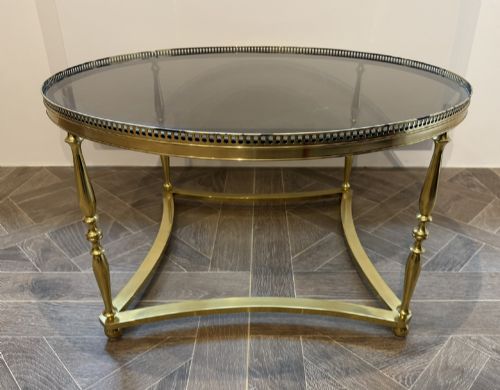
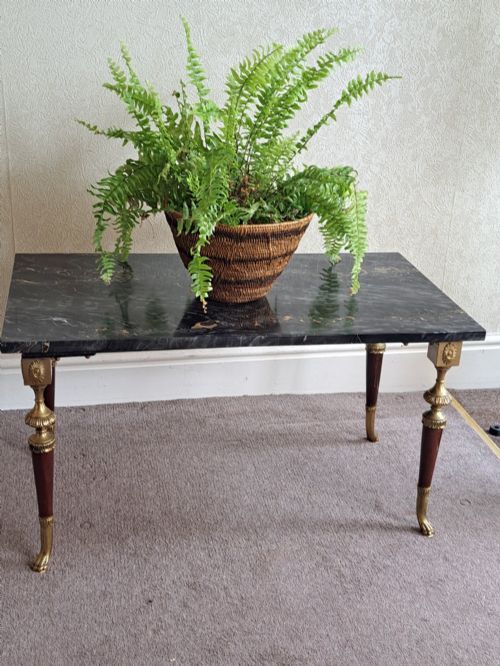
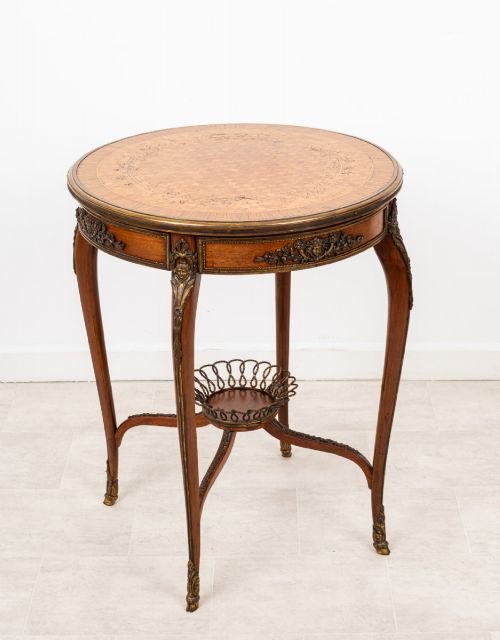
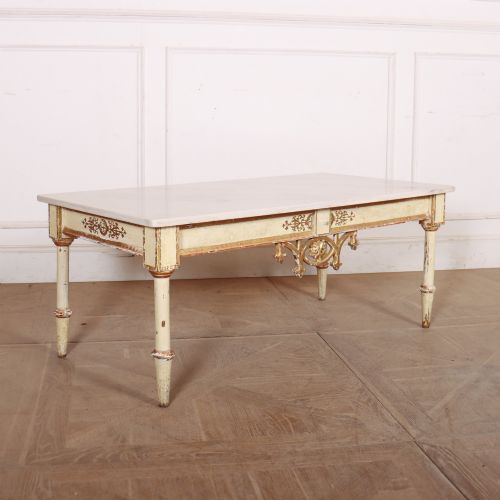
A french style tea table serves as a decorative and functional centrepiece, frequently taking the form of coffee tables, occasional tables, centre tables, and card or games tables. Buyers encounter pieces spanning the nineteenth century into the twentieth, taking inspiration from Louis XV, Louis XVI, and Napoleon III aesthetics.
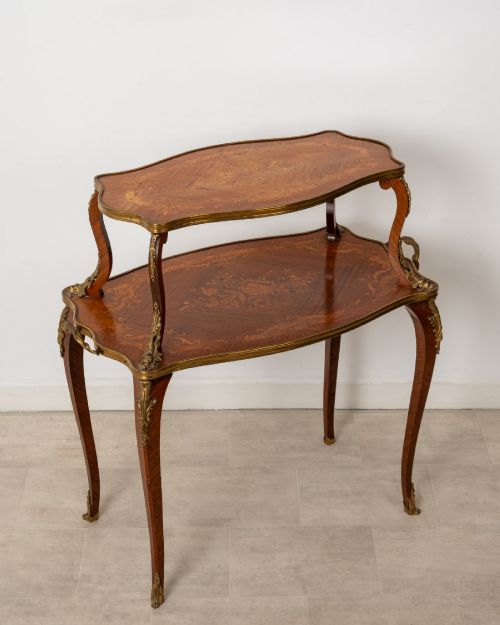
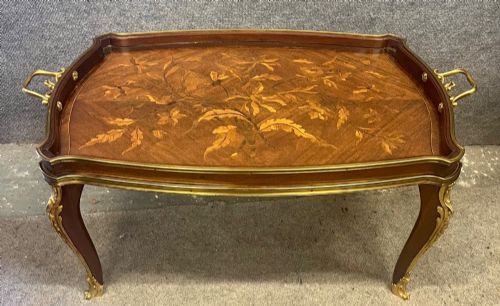
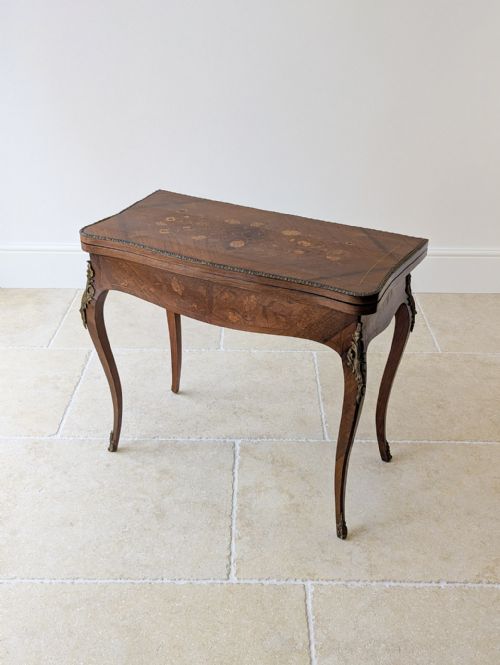
The selection includes tiered étagères, tray top tables, and folding card tables designed for versatile entertaining. Walnut, kingwood, mahogany, and satinwood form the primary wooden bodies, often enhanced by marquetry and parquetry patterns.
How They Were Made
Cabinetmakers utilised dense hardwoods like walnut and mahogany as foundational structures, applying decorative veneers of kingwood and satinwood in intricate geometric parquetry or floral marquetry designs. Crossbanding and stringing define the edges of tabletops, showing precise carpentry methods.
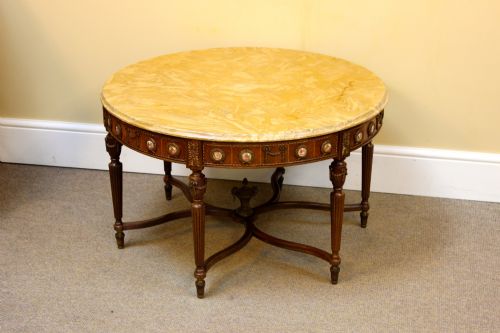
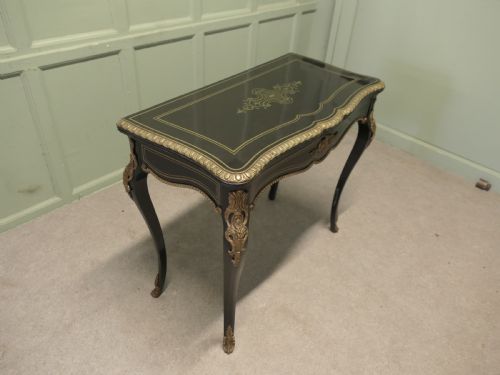
Cast or chased ormolu and gilt bronze mounts decorate corners, aprons, and legs, while brass inlay adds linear contrast to ebonised or polished timber. Marble inserts provide durable, cool surfaces on select tables.
Several game tables conceal folding mechanisms designed for nineteenth-century evenings of cards.
What Varies in Quality
The refinement of the cast bronze or ormolu mounts separates standard production from superior examples, with finer pieces displaying sharp chiselling and depth. Hand-cut marquetry details and the crispness of inlaid brass lines indicate the maker's skill level.
Selection of timber veneers also dictates tier, where figured burr walnut or meticulously matched kingwood grain patterns elevate the visual presence of the furniture.
François Linke·Edwards & Roberts·Joseph-Emmanuel Zwiener·G T Morant
The French Style Tea Table Glossary
- Ormolu
- Gilt bronze applied as a decorative mount on furniture. This technique involves gilding a mercury-bronze amalgam onto cast brass elements.
- Marquetry
- Decorative veneer work forming pictorial or abstract designs. Pieces use contrasting woods arranged on the tabletop.
- Parquetry
- Geometric wood inlay forming repeating patterns such as cubes or chequers. It differs from marquetry by relying on angular shapes.
- Étagère
- A set of open shelves or tiered stands used for display. These pieces provide multiple levels in a compact footprint.
- Kingwood
- A dense, richly figured Brazilian timber valued in cabinetmaking. It displays dark violet-brown tones with lighter streaks.
French Style Tea Table: Frequently Asked Questions
What is a french style tea table used for?
These tables function as surface areas for serving refreshments, displaying decorative items, or hosting card games. Their adaptable designs allow them to sit comfortably beside seating or act as standalone centrepieces.
Historically, they accommodated the social rituals of tea drinking and parlour entertainment. Today, they bring historic character and practical surface space into modern interiors.
How do I identify Louis XV and Louis XVI styles?
Louis XV style pieces are characterised by asymmetrical curves, cabriole legs, and rococo scrollwork. The overall silhouette avoids straight lines in favour of flowing organic movement.
Louis XVI style moves toward neoclassical symmetry, featuring straight fluted legs, rectangular or circular tops, and classical architectural motifs. This transition reflects a shift in European taste toward ancient Greek and Roman forms.
How should I care for veneered and ormolu surfaces?
Keep wooden surfaces away from direct sunlight and excessive heat sources to prevent veneer cracking or fading. Dust regularly with a soft, dry cloth rather than using silicone polishes.
Clean ormolu mounts gently with a dry microfiber cloth, avoiding abrasive cleaners that strip the original gilding. Wax the timber occasionally to nourish the grain.
What is the difference between a centre table and a coffee table?
Centre tables are traditionally taller, designed to stand freestanding in the middle of a room for display or occasional use. Their proportions suit peripheral viewing from all angles.
Coffee tables are lower in height, specifically built to sit in front of sofas and lounge seating. Many antique pieces described as coffee tables were originally manufactured as game, occasional, or tea tables.