




French Style Ornament
French style ornament gathers decorative bronzes, porcelain figures and marble urns shaped by nineteenth-century revival tastes.
French Style Ornament
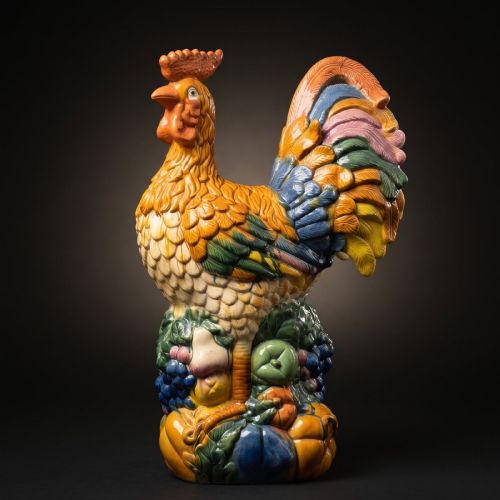
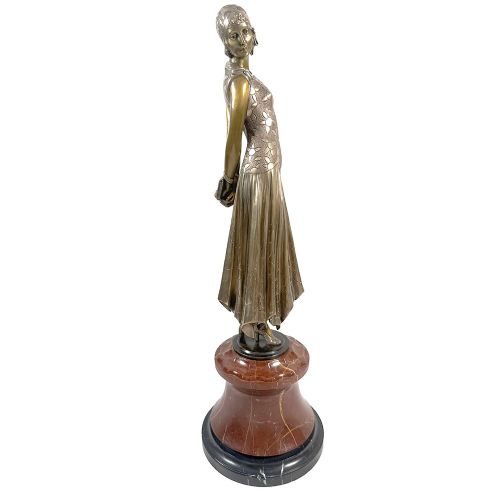
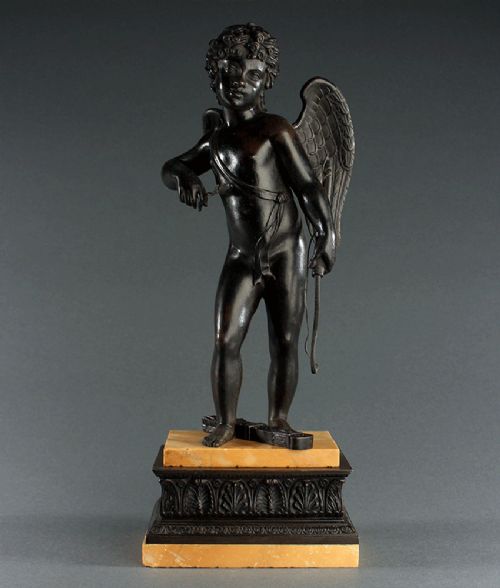
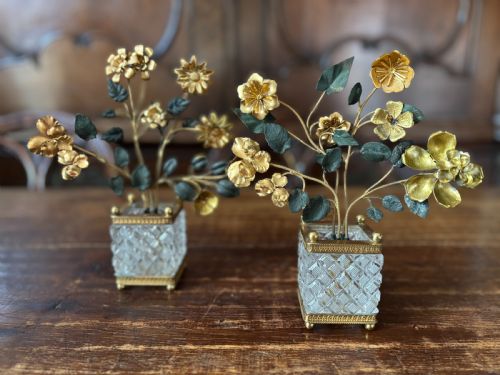
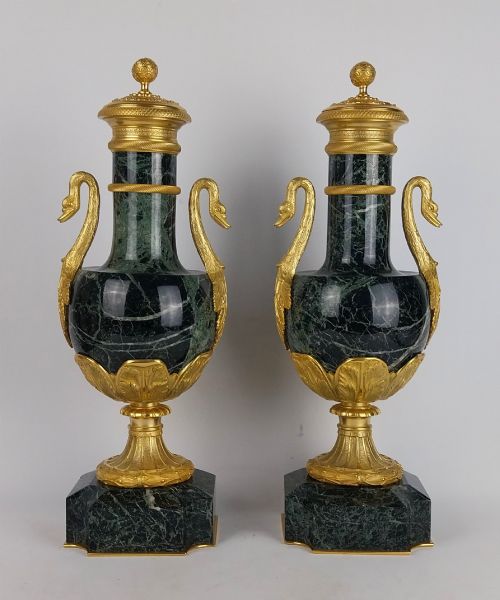
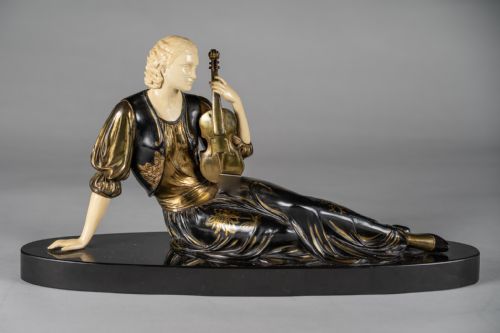
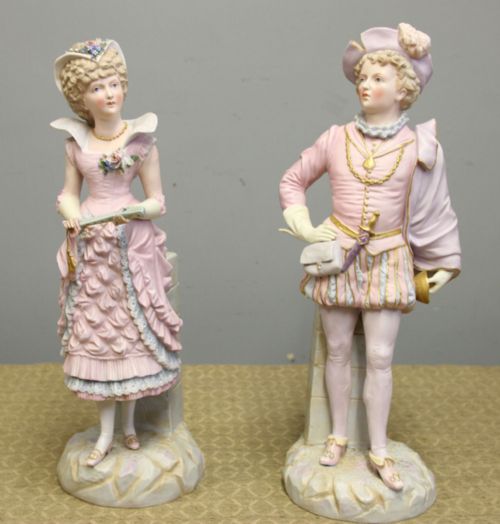
When you search for french style ornament, you encounter figurative sculptures, decorative vases, fireplace accessories and mantel objects originating primarily in the nineteenth century. The selection leans heavily toward porcelain figures, terracotta animals, bronze statuary and marble cassolettes shaped by rococo, neoclassical and chateau aesthetics.
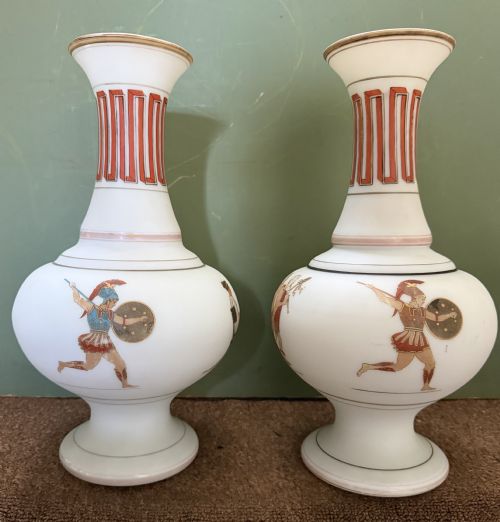
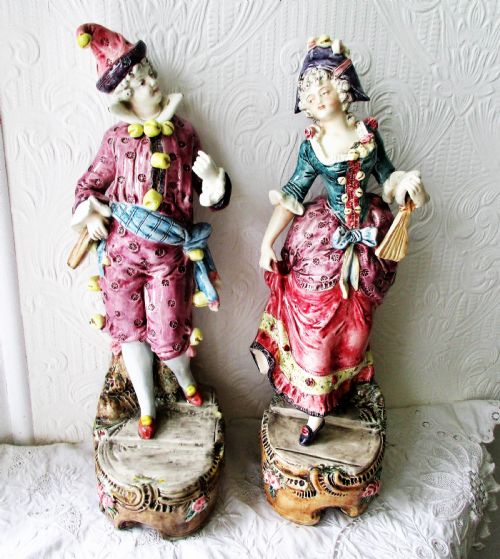
Most pieces date from the eighteen-fifties through the early nineteen-hundreds, reflecting periods like the Victorian era and the late nineteenth century. You meet pairs of bisque figurines, opaline glass vases and bronze chenets designed to sit upon mantelpieces, centre tables and display cabinets.
Materials and construction methods
The objects combine metals, ceramics and stone, utilising bronze, gilt and patinated finishes, porcelain, earthenware, terracotta, marble and glass. Bronze and spelter items employ casting techniques, often finished with hand chasing, gilding or painted details.
Ceramic pieces utilise hard-paste porcelain, biscuit porcelain and earthenware, decorated with enamel colours, gold leaf and painted figural vignettes. Stonework relies on carved marble and polished bases, while glass pieces incorporate cameo carving and opaline layers.
French Style Ornament Retail Price Guide 2026
Typical asking prices for french style ornament among the pieces listed under this phrase on Sellingantiques today, from the lower quarter to the upper quarter. They describe what is for sale here now, not the wider market.
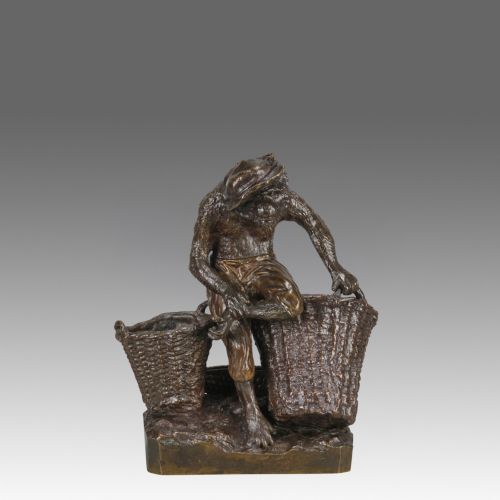
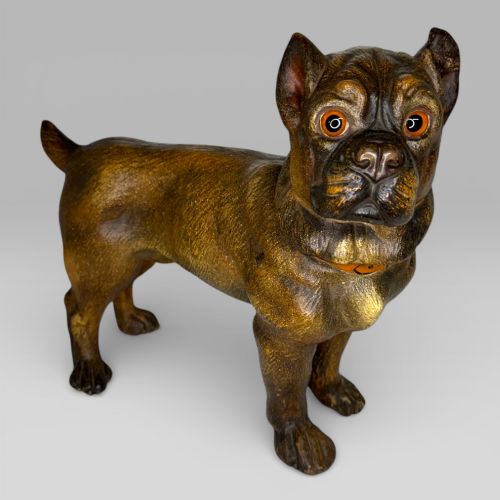
Terracotta cats repurposed as roof tiles keep watch alongside bronze monkeys carrying wicker baskets.
Markers of quality and finish
Porcelain and earthenware versions depend on the refinement of the glaze, the subtlety of the hand-painted enamel work and the precision of the kiln firing. Maker attribution also elevates certain pieces, particularly signed bronzes or porcelain bearing established factory and studio marks.
Christophe Fratin·Emile Louis Picault·Clodion·Paul Fournier·Demetre Chiparus
The French Style Ornament Glossary
- Ormolu
- Gilded bronze applied to decorative objects, furniture mounts and clock cases. It involves coating base metal with a mercury and gold amalgam, then heating to bond the finish.
- Bisque
- Unglazed white porcelain fired once to create a matte, porous surface resembling marble. It became popular for nineteenth-century figurative sculptures and portrait busts.
- Chenets
- Decorative metal firedogs placed inside a hearth to support logs. French examples frequently feature rococo scrollwork, putti or classical figures.
- Cassolette
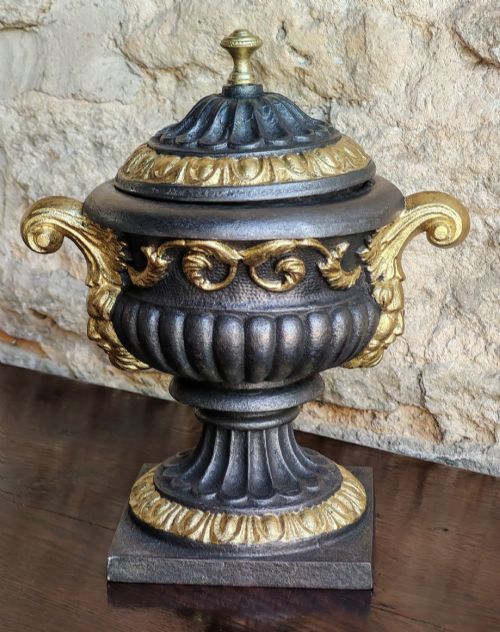
- A decorative vase or urn with a pierced lid that serves alternately as a vessel or a container for burning perfumes. They often pair marble bodies with bronze mounts.
- Animalier
- A nineteenth-century artistic style focusing on realistic depictions of animals, particularly in bronze. Practitioners studied movement and anatomy directly from life.
French Style Ornament: Frequently Asked Questions
What periods do these decorative pieces represent?
The selections span the nineteenth century, with strong representation from the eighteen-fifties, eighteen-eighties and the turn of the twentieth century. Many items reflect revivalist movements looking back to earlier royal French aesthetics.
Victorian and Edwardian interpretations sit alongside pieces from the Art Deco period, offering variety in both scale and decorative ambition.
How were bronze and spelter figures finished?
Bronzes received meticulous hand finishing, including chasing to sharpen details and patination to achieve dark brown or green surface tones. Gilt elements added contrasting highlights of gold leaf or ormolu.
Spelter, a cheaper zinc alloy, was treated with bronzed or gilded paints to imitate genuine bronze. These metallic coatings required careful application to simulate aged patinas.
Where should I place marble urns and vases?
These decorative vessels suit mantelpieces, console tables and sideboards where their height and weight provide architectural balance. Pairs look effective framing a central mirror or clock.
Ensure the supporting surface can bear the substantial weight of marble and bronze combinations. Keep them away from direct heat sources that might affect adhesives or stone surfaces.
How do I identify Paris porcelain and Samson figures?
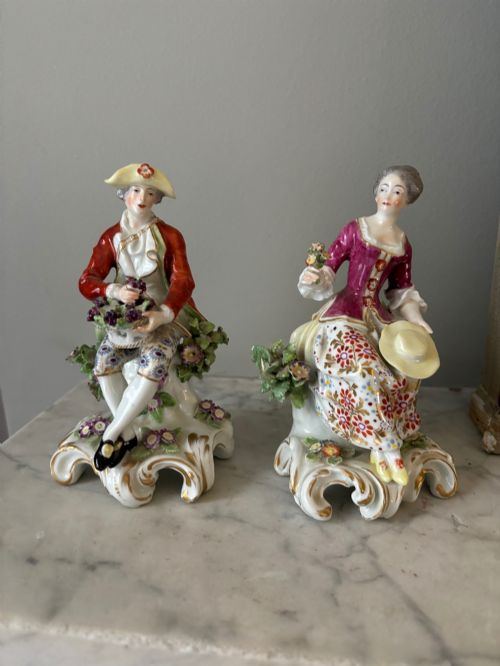
Paris porcelain and nineteenth-century revival pieces by firms like Samson often carry pseudo-marks mimicking earlier factories such as Chelsea, Derby or Meissen. Study the paste quality, glaze sheen and enamel palette.
Samson pieces generally date from the mid to late nineteenth century and pay homage to historic ceramic traditions rather than seeking to deceive.