



French Style End Tables
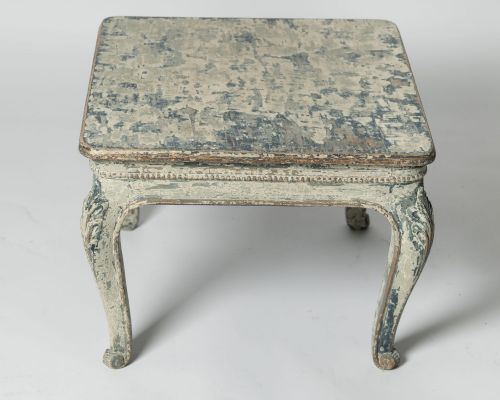
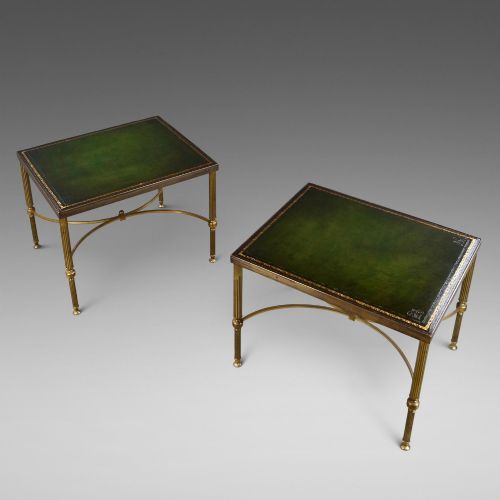
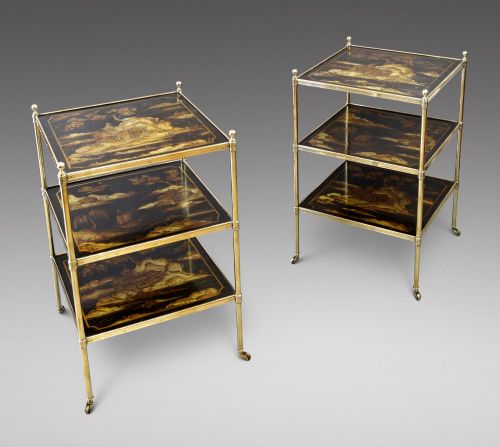
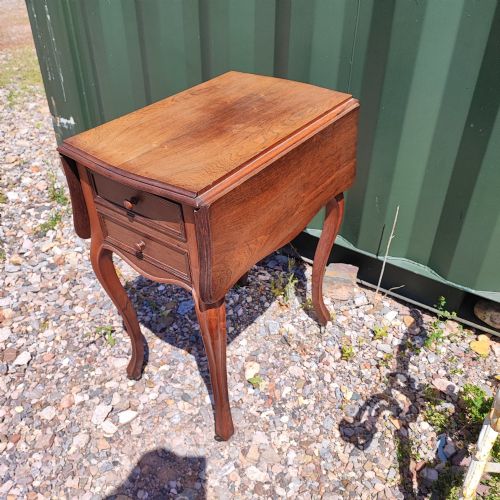
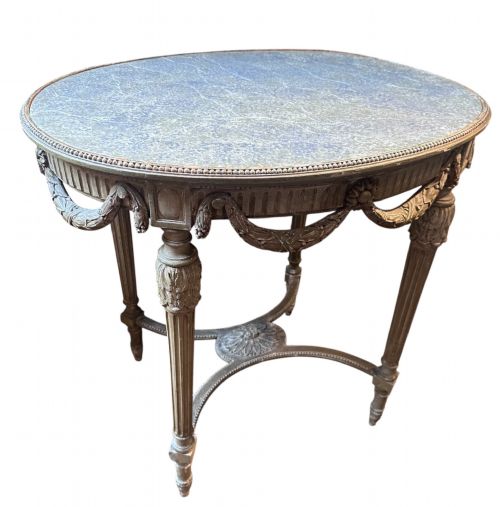
French style end tables bring continental refinement to a room, offering compact surfaces formed in walnut, mahogany, and marble.
French Style End Tables
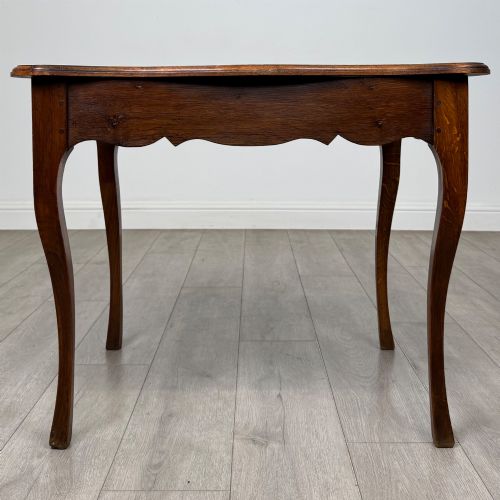
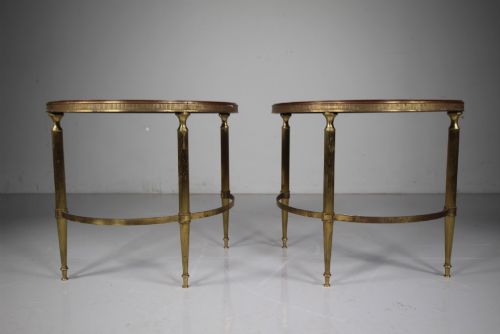
When you search for french style end tables, you encounter smaller occasional furniture designed for specific corners, bedsides, and seating areas. The selection spans the eighteenth century through the 1930s, embracing forms such as side tables, lamp tables, bedside cabinets, and gueridons.
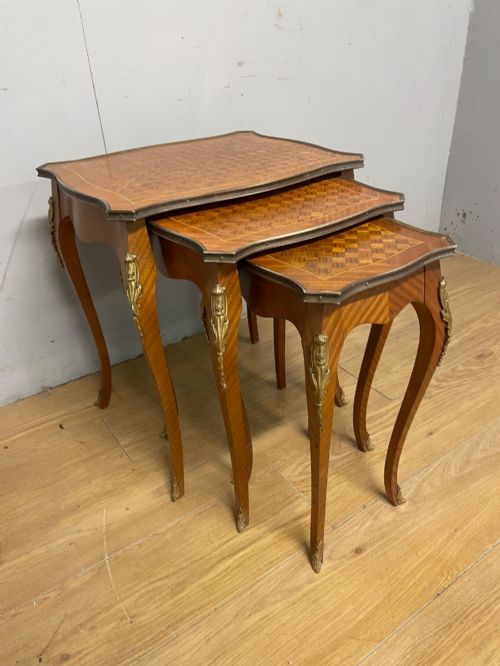
The most common examples on this page date from the nineteenth and early twentieth centuries, drawing heavily upon earlier Louis XV and Louis XVI taste. Makers frequently utilised walnut, kingwood, rosewood, and painted wood, often topping the pieces with white marble or incorporating brass mounts.
How they were made
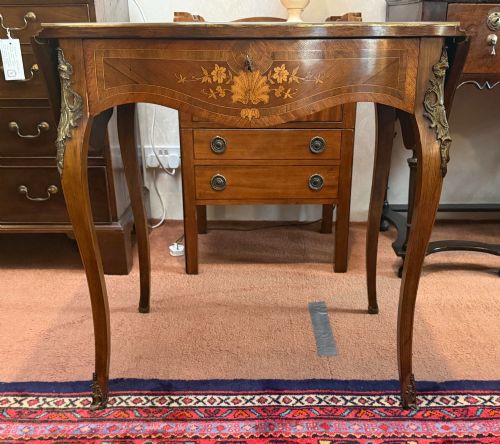
Carpenters built the carcasses using timbers like mahogany, oak, and walnut, frequently applying fine veneers such as kingwood and satinwood in geometric marquetry or parquetry patterns. Surfaces received hand-applied polish or paint decoration, reflecting the aesthetic of the chosen period.
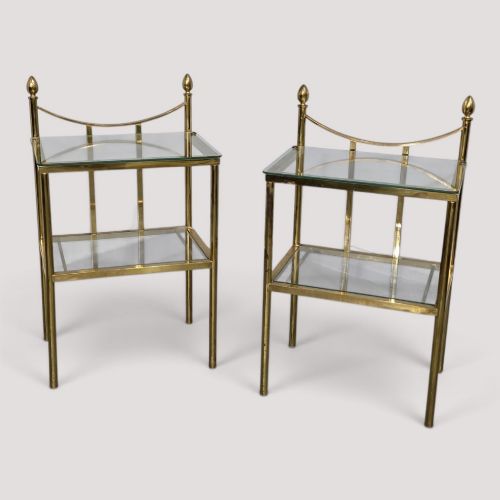
Metalwork played a defining role, with ormulu mounts, brass galleries, and glass inserts integrated into the wooden frames. Marble tops, often white, required precise stonemasonry to fit snugly within wooden or brass rims.
Materials across the selection range from solid oak and walnut to refined kingwood, rosewood, brass, and white marble.
What varies in quality
The distinction between ordinary and superior pieces lies in the crispness of the carved wood, the precision of the veneer work, and the weight of the metal mounts. Ormolu that is finely chased and securely seated demonstrates superior workshop standards.
Proportion and material selection dictate overall merit. Dense hardwoods, unblemished marble slabs, and intricate parquetry distinguish the finer examples from simpler painted or plain timber alternatives.
F. Linke·Weisweller·Charles Topino
The French Style End Tables Glossary
- Ormolu
- Gilded bronze mounts applied to furniture for decoration. These metal details often frame drawers or accentuate cabriole legs.
- Marquetry
- Inlaid wood veneers forming decorative pictures or patterns. Artisans used contrasting timbers to achieve pictorial depth.
- Gueridon
- A small circular table on a central pillar or tripod base. These often feature marble tops surrounded by brass galleries.
- Parquetry
- Geometric wood inlay patterns such as cubes or chequers. This technique showcases the natural grain and colour of different woods.
- Demi lune
- Half-moon shape, typically describing tables designed to sit flat against a wall. The curved front adds elegance to smaller spaces.
French Style End Tables: Frequently Asked Questions
What is a French style end table used for?
These pieces serve practical roles beside beds, armchairs, or sofas, holding lamps, books, or drinks. Their compact proportions allow them to fit into smaller corners where larger furniture would overwhelm the space.
Historically, specific forms functioned as nightstands, washstands, or display surfaces for decorative objects. Today, buyers utilise them to introduce continental character into sitting rooms and bedrooms.
Are marble tops original to these tables?
Many nineteenth and twentieth-century pieces were manufactured with fitted marble slabs, prized for their cool, durable surface and resistance to spills. White or variegated marble is standard on gueridons and bedside cabinets.
Inspecting the underside reveals whether the stone sits within the original rebate of the wooden frame, confirming its period authenticity.
How do I care for antique wood and ormolu?
Maintenance requires simple dusting with a soft, dry cloth and occasional application of appropriate beeswax to nourish vintage timber. Avoid moisture and commercial cleaning sprays, which can damage aged polish.
Ormolu mounts benefit from gentle dusting without chemical metal polishes, preserving the original gilding on the bronze surface.