



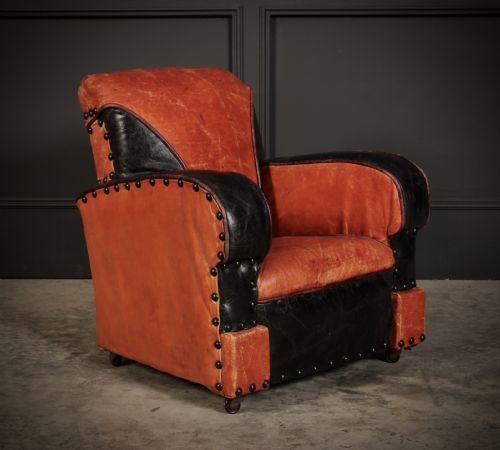

French Style Club Chairs
French style club chairs bring deep seating and classic continental lines to a room, offering the comfort buyers want alongside period character.
French Style Club Chairs
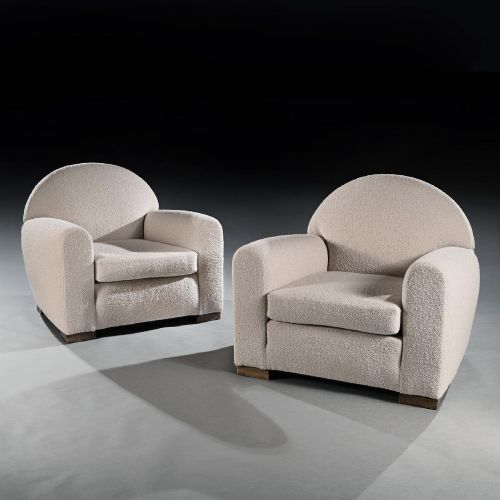
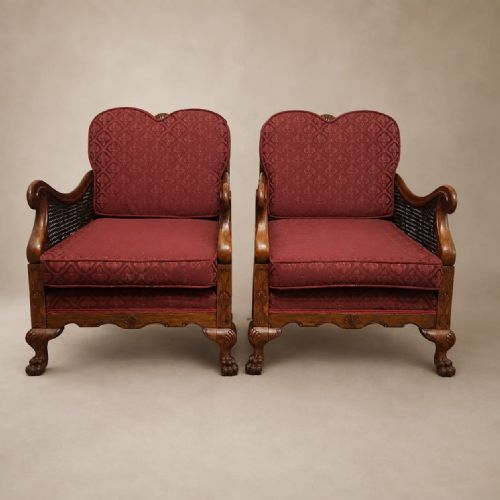
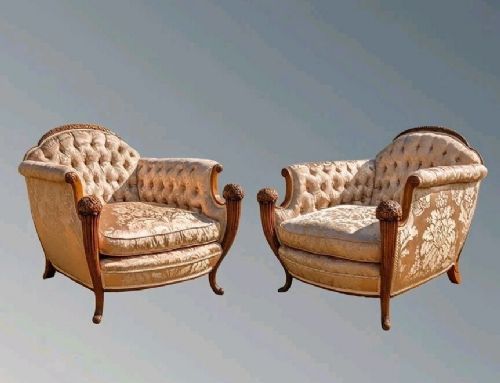
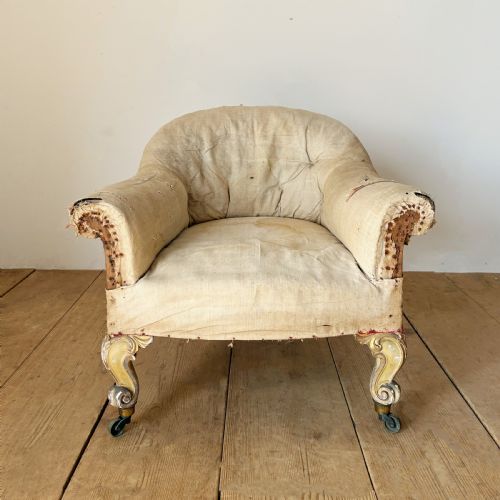
When you search for french style club chairs, you encounter a distinct group of armchairs and bergères drawing on historical continental designs. The selections on this page span the nineteenth century, the nineteen-twenties, nineteen-thirty, and nineteen-sixty, capturing various revivals of classic seating forms.
The most common versions you meet here include bergères with exposed wooden frames, library armchairs with buttoned leather, and tub chairs. These pieces originate across the nineteenth and twentieth centuries, employing styles such as Louis XV, Louis XVI, Rococo Revival, Empire, and Art Deco.
Makers and manufacturers produced these armchairs for formal sitting rooms and libraries, balancing generous proportions with decorative carved detail. Buyers often find pairs alongside single armchairs, offering flexible seating arrangements for traditional and eclectic interiors alike.
Materials and Construction
The frames of these armchairs rely principally on solid wood, with walnut appearing frequently alongside giltwood. Artisans shaped these timbers to create the curved lines typical of Louis styles and the geometric simplicity of Art Deco pieces.
Metal elements such as brass appear as decorative accents or hardware, completing the construction of these substantial seats.
French Style Club Chairs Retail Price Guide 2026
Typical asking prices for french style club chairs among the pieces listed under this phrase on Sellingantiques today, from the lower quarter to the upper quarter. They describe what is for sale here now, not the wider market.
The listings here span five distinct decades and centuries, from the nineteenth century through the nineteen-sixties.
Distinctions in Quality
The quality of these armchairs rests in the crispness of the frame carving and the selection of timber. Walnut frames with deep, well-defined contours stand apart from simpler structures, showing the hand of a skilled maker.
Upholstery choice and execution mark the difference between standard production and finer pieces. The integration of materials like pure silk, buttoned leather, or hand-woven cane dictates the overall finish and tactile appeal of the seating.
The French Style Club Chairs Glossary
- Bergère
- An enclosed upholstered armchair with wooden framing and a solid back and sides. Cane work frequently panels these side sections.
- Tub chair
- A deep-seated armchair with a curved back that flows continuously into low arms. This form wraps around the sitter for comfort.
- Giltwood
- Timber treated with gold leaf or gold paint to give a metallic, decorative surface. It appears on formal revival frames.
- Art Deco
- A design style emphasising geometric shapes, streamlined forms, and modern materials popular during the nineteen-twenties and nineteen-thirties.
French Style Club Chairs: Frequently Asked Questions
What is a bergere chair?
A bergère is an enclosed upholstered armchair with an exposed wooden frame, often featuring cane panels on the sides and back. These seats originated in France and provide a lighter alternative to fully upholstered club chairs.
They gained popularity during various revival periods, maintaining classic proportions while offering comfortable seating for libraries and drawing rooms.
How do I identify Louis XV style?
Louis XV style armchairs feature asymmetrical curves, floral carvings, and cabriole legs. The design avoids straight lines in favour of flowing, organic contours.
This aesthetic returned in later nineteenth-century and twentieth-century revivals, producing walnut and giltwood seating with distinct rococo influences.
Are these chairs comfortable for daily use?
Many of these pieces, particularly library armchairs and leather club chairs, were built for extended periods of reading and relaxation. Deep seats and supportive backs make them practical for modern living.
Upholstery materials range from buttoned leather to soft fabrics and silk, allowing buyers to choose a texture that suits their daily routine.
What distinguishes Art Deco club chairs?
Art Deco club chairs rely on clean lines, symmetrical forms, and simplified shapes rather than historical carving. They often feature leather or smooth fabric upholstery.
Originating in the nineteen-twenties, these pieces reflect a modern shift in interior design while retaining the generous proportions of traditional club seating.