
French Style Clock
When searching for a french style clock, collectors seek the decorative bronze, marble and porcelain timepieces that defined nineteenth-century domestic interiors.
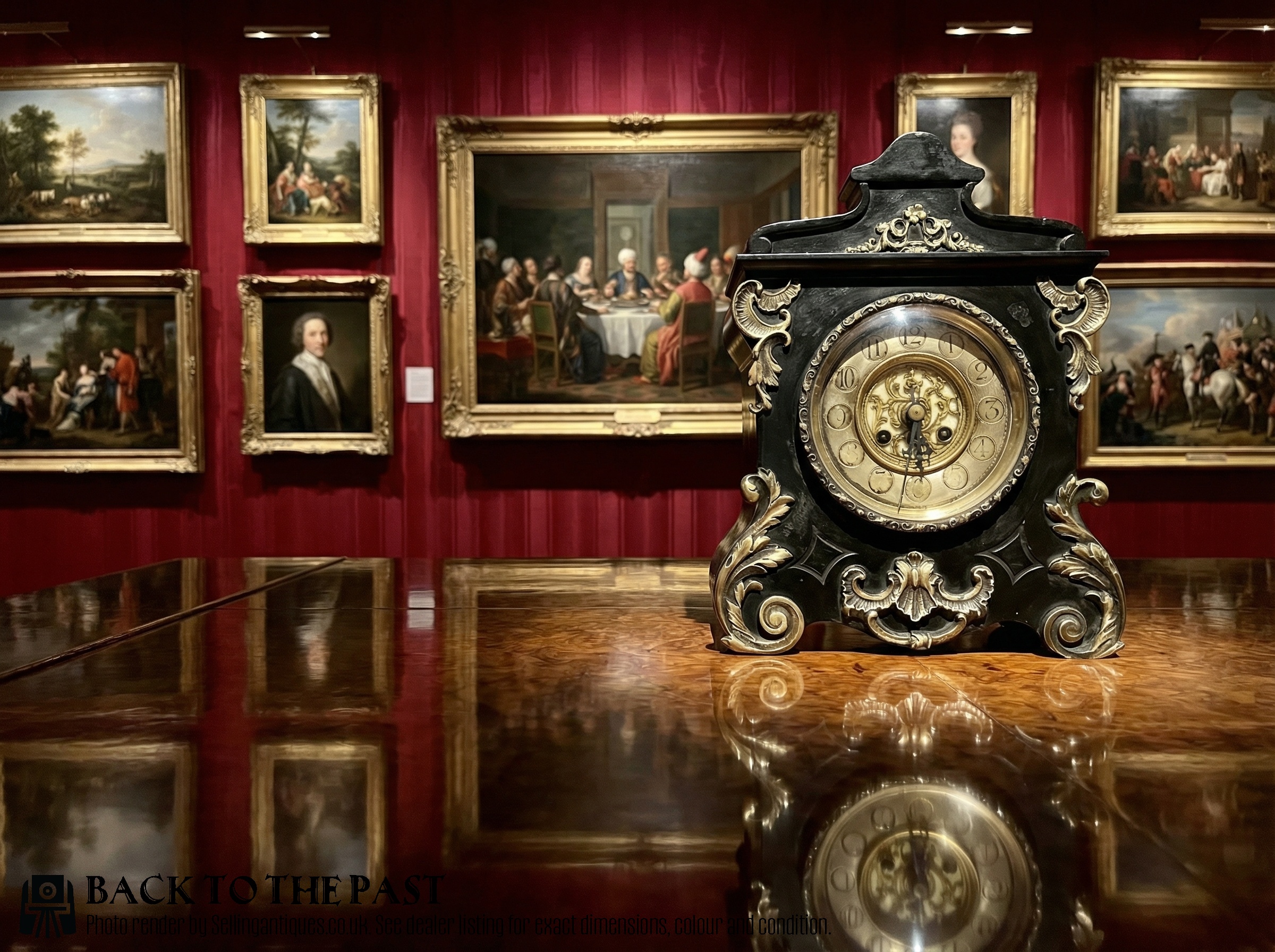
French Style Clock
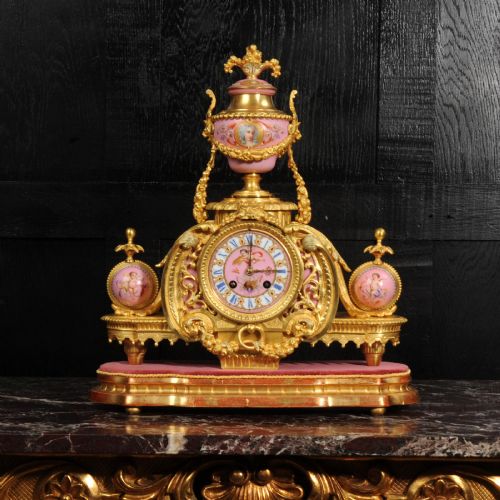
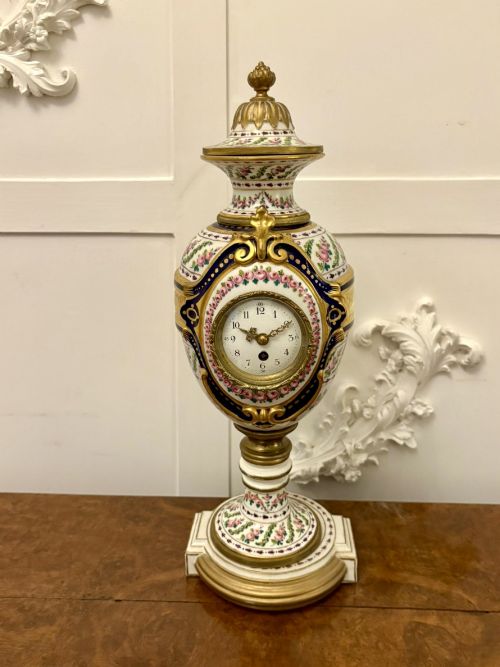
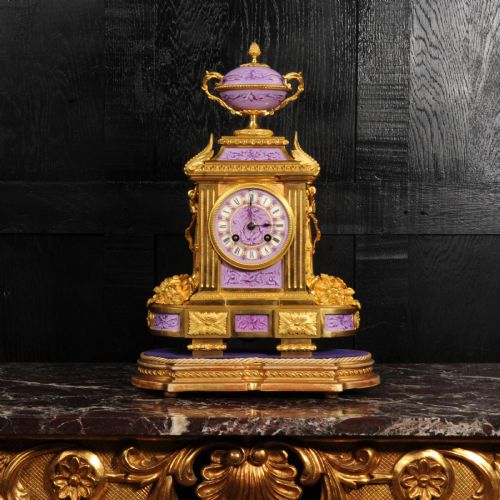
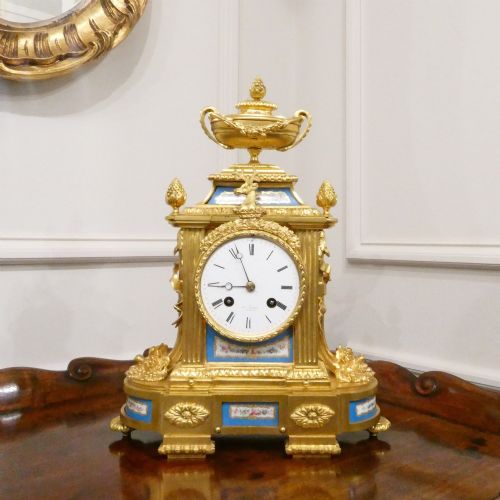
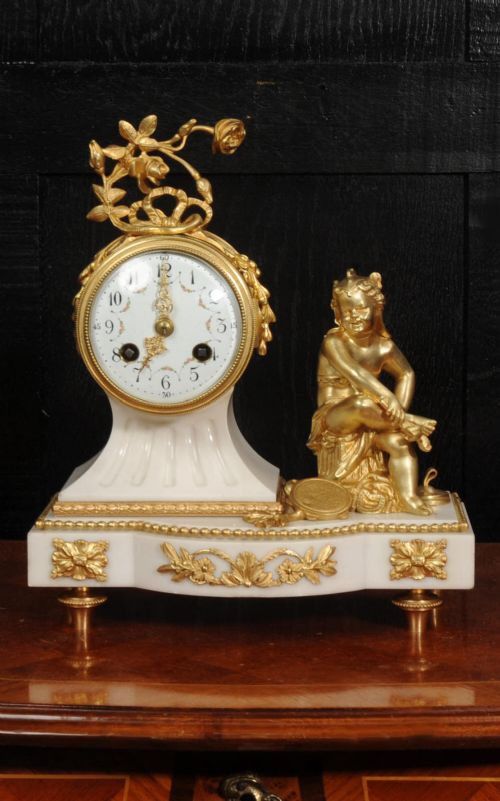
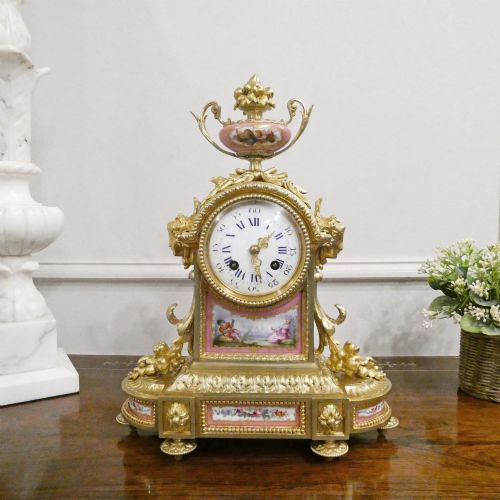
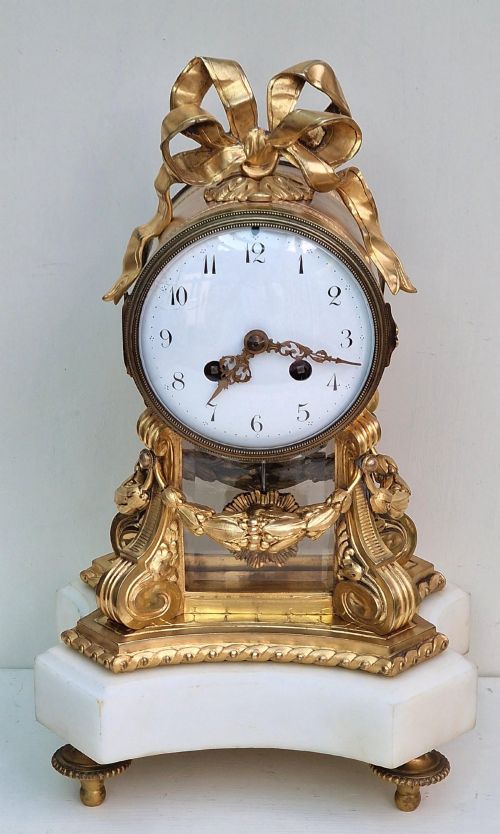
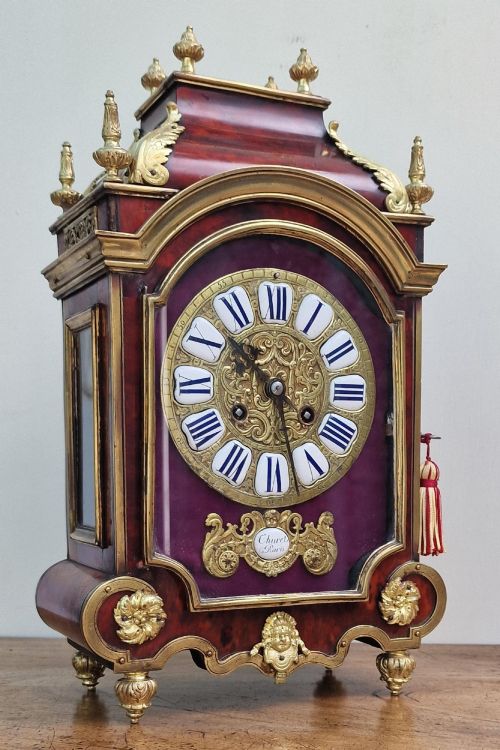
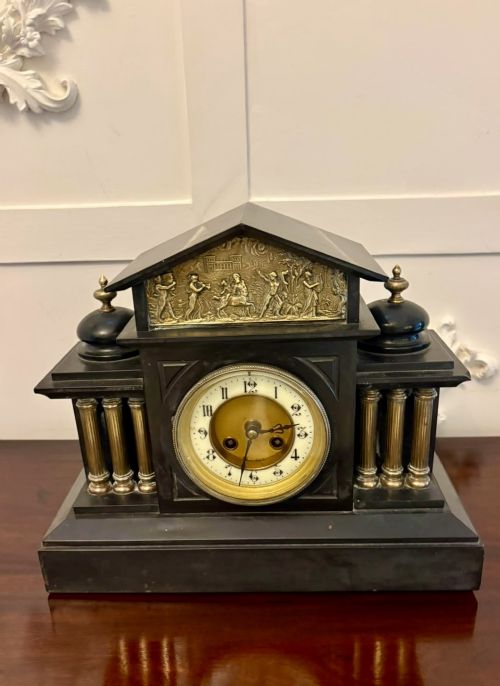
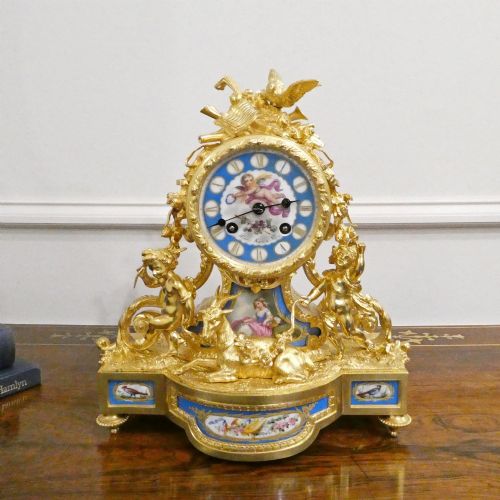
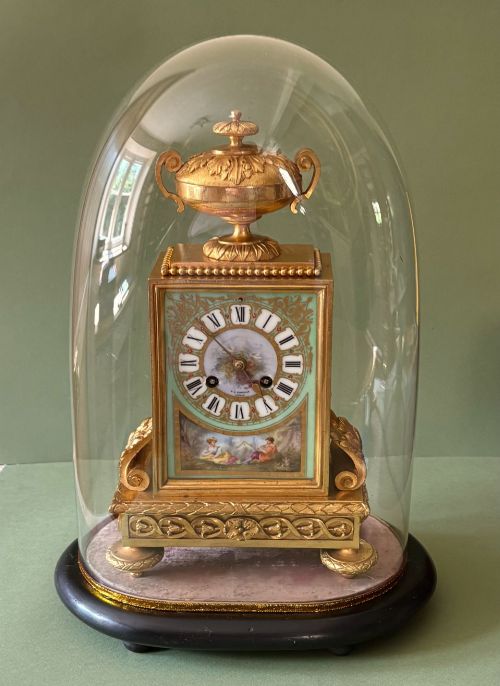
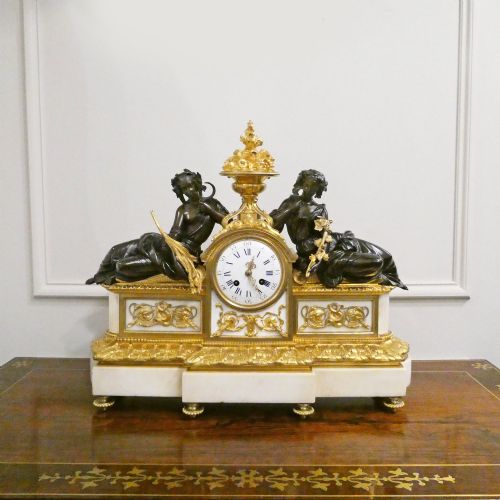
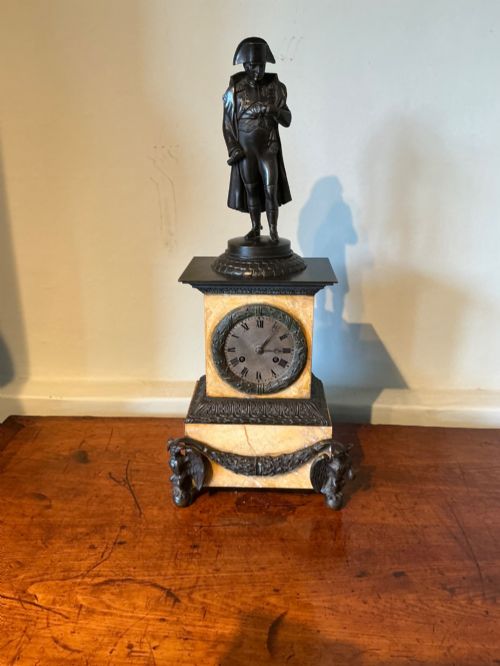
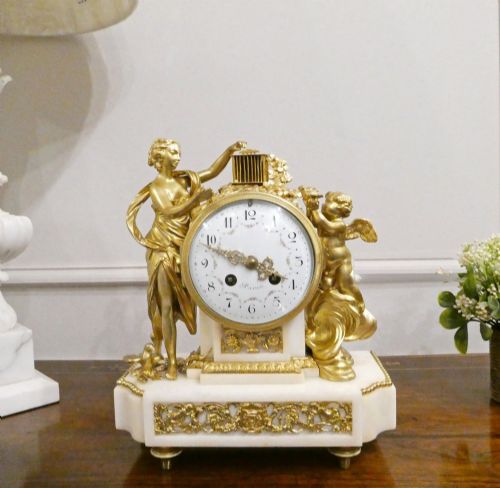
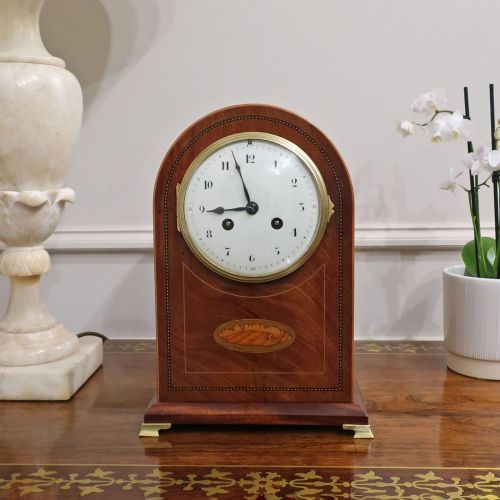
A french style clock encompasses a wide variety of domestic timepieces produced across the nineteenth century, ranging from architectural marble and bronze mantel clocks to ornate porcelain garnitures. The selection frequently includes pieces created in Louis XVI, Louis XV, and Rococo Revival styles alongside Boulle marquetry and portico designs.
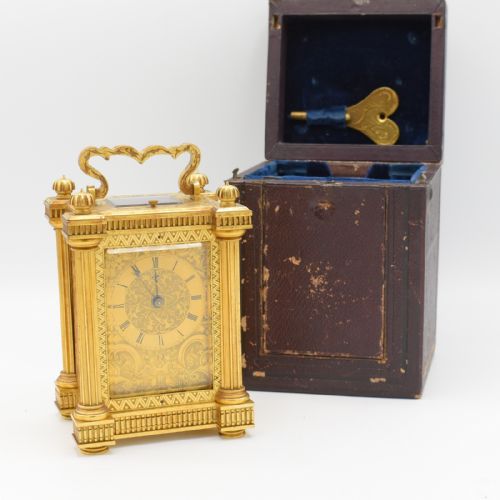
Buyers will most commonly encounter nineteenth-century mantel clocks housed in cases of gilt bronze, brass, or carved marble, often paired with matching side pieces or candelabra. Carriage clocks and smaller chamber timepieces also appear regularly, reflecting the diverse output of French workshops during the Victorian era.
How They Were Made
Maker workshops utilised cast ormolu, gilt bronze, and brass to build intricate structural cases, frequently incorporating hand-painted Sèvres porcelain plaques and enamel dials into the design. Natural materials such as white, green, and black marble, alongside mahogany and tortoiseshell veneer laid in Boulle marquetry, provide weight and textural contrast.
Movements were engineered by established mechanical houses and housed within architectural stone or metal bodies, topped with cast figural elements like urns or mythological figures. Gilt finishes were applied through mercury gilding or electroplating, depending on the period of manufacture.
French Style Clock Retail Price Guide 2026
Typical asking prices for french style clock among the pieces listed under this phrase on Sellingantiques today, from the lower quarter to the upper quarter. They describe what is for sale here now, not the wider market.
Several elephants stand watch over time, carrying clock faces upon their gilded backs.
What Varies In Quality
The standard of a french style clock depends upon the crispness of the bronze or brass casting and the depth of the subsequent chasing. Superior examples display sharply defined acanthus leaves, figures, and scrollwork without softening in the metal details.
Material selection and hand-painted artistry further divide the range, as pieces featuring signed enamel dials, finely detailed Sèvres porcelain panels, or genuine tortoiseshell Boulle work represent higher tiers of nineteenth-century production.
Achille Brocot·Henry Marc·Japy Freres·Vincenti·Pickford of London·Thuret·Etienne Lenoir·Rodier·Delettrez·Charles Hour·Samuel Marti·Jean Baptiste Delettrez·Pons·Jacot·Drocourt
The French Style Clock Glossary
- Ormolu
- Gilded bronze produced through the application of a mercury-gold amalgam or electroplating onto a base metal. This finish provides a warm, reflective surface characteristic of luxury French decorative objects.
- Garniture
- A set comprising a central clock flanked by matching decorative objects such as urns, vases, or candelabra. These sets were designed to sit harmoniously upon a mantelpiece or sideboard.
- Boulle
- A style of marquetry utilising tortoiseshell and brass inlay arranged in elaborate floral or geometric patterns. It takes its name from André Charles Boulle, cabinetmaker to Louis XIV.
- Portico clock
- A mantel clock featuring a structural case supported by four columns, resembling a classical temple facade. These architectural pieces often incorporate wood veneer or ebonised finishes.
- Carriage clock
- A portable spring-driven timepiece fitted with a carrying handle and glass panels allowing the movement to be observed. They typically include escapements designed for travel.
- Dial
- The face of the clock where the hours and minutes are indicated, frequently constructed from convex white enamel with painted Roman numerals. Signed dials often bear the name of the retailer or maker.
French Style Clock: Frequently Asked Questions
What is a French clock garniture?
A clock garniture is a matched decorative set consisting of a central mantel clock accompanied by two side pieces, such as candelabra or porcelain urns. These sets were designed to create a balanced focal point on a mantelpiece.
The materials of the flanking pieces invariably mirror the clock itself, utilising matching bronze, marble, or porcelain mounts to present a unified aesthetic across the room.
How do I identify a Boulle clock?
Boulle clocks feature distinctive marquetry decoration formed by inlaid tortoiseshell and engraved brass, typically set within an ebonised or mahogany wooden case. The patterns often display intricate scrollwork and foliate motifs.
This technique dates back to the seventeenth century but was extensively revived during the nineteenth century in various mantel and bracket clock formats.
What distinguishes Louis XVI style clocks?
Louis XVI style clocks rely on classical symmetry, straight architectural lines, and restrained decorative elements derived from Greek and Roman antiquity. They frequently incorporate white or coloured marble columns, urn finials, and gilt bronze mounts.
Unlike the asymmetrical curves of earlier Rococo designs, these pieces favour balanced proportions and geometric rigour in their overall composition.
Were carriage clocks used for travel?
Carriage clocks were originally built as portable timepieces for travellers, equipped with sturdy brass cases, protective glass panels, and folding carrying handles. They relied on robust lever escapements to maintain accuracy while in motion.
As time progressed, smaller miniature versions evolved into decorative desk or bedroom objects rather than functional travel equipment.