



French Style Cane Sofa
A french style cane sofa brings continental elegance into a room with woven panels and carved frames.
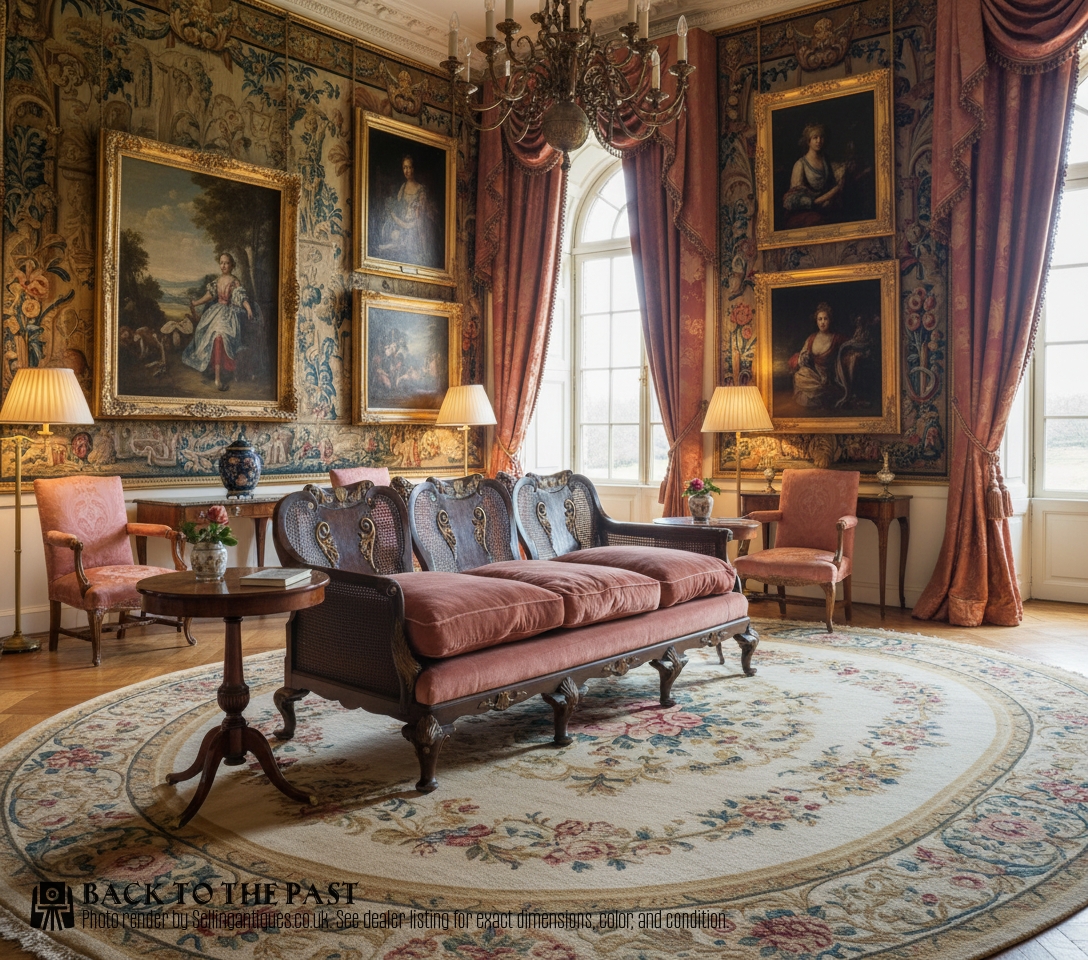
French Style Cane Sofa
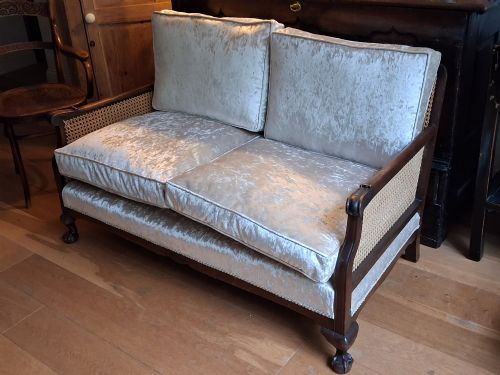
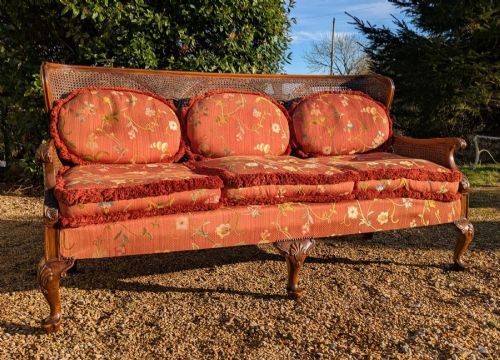
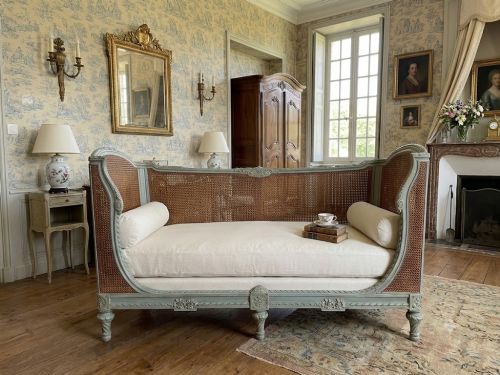
When you search for a french style cane sofa, you encounter seating built around wooden frames inset with woven rattan panels. The examples seen here range from eighteenth-century Swedish Gustavian work to twentieth-century revivals produced around nineteen ten.
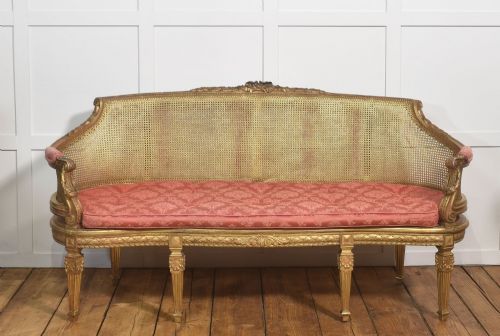
Most pieces on this page adopt Louis XV and Louis XVI designs, featuring carved walnut, giltwood, or painted finishes. Forms include traditional settees, daybeds, and larger bergere sofas equipped with feather cushions.
These items serve as decorative yet functional seating options for reception rooms and bedrooms. The integration of cane work lightens the heavy timber structures typical of earlier periods.
How they were made
Frames rely on traditional cabinet timbers such as walnut, beech, and giltwood, shaped through hand carving. Artisans applied layers of paint, gilding, or polished finishes to the exposed wooden structures.
Panels of cane are woven by hand into the open framework of the backrests and sides. Upholstered elements frequently incorporate linen, damask fabric, and loose feather cushions for seating comfort.
French Style Cane Sofa Retail Price Guide 2026
Typical asking prices for french style cane sofa among the pieces listed under this phrase on Sellingantiques today, from the lower quarter to the upper quarter. They describe what is for sale here now, not the wider market.
Early twentieth-century makers revived eighteenth-century daybeds so people could lounge gracefully while reading heavy novels.
What varies in quality
The sophistication of the timber carving dictates much of the visual merit in these seating pieces. Crisp leaf motifs and fluid lines on walnut or giltwood frames distinguish finer workshops from simpler production.
The tightness and regularity of the cane weaving influence the durability and appearance of the back panels. Original painted or gilded surfaces hold greater integrity when they show honest patination rather than later overpainting.
The French Style Cane Sofa Glossary
- Canapé
- An upholstered settee or sofa, typically with an exposed wooden frame in French eighteenth-century designs. This term appears frequently in descriptions of continental seating.
- Bergère
- An enclosed armchair or sofa featuring upholstered sides and a cushioned seat, often combined with cane panels. These pieces offer deep proportions for comfort.
- Giltwood
- Timber that has been coated with a thin layer of gold leaf or gilt preparation. This finish was favoured for formal salon furniture.
- Gustavian
- The Swedish interpretation of French neoclassical design, characterised by lighter proportions and pale painted finishes. This style emerged during the late eighteenth century.
- Daybed
- A piece of furniture long enough to support the legs, functioning as both a seat and a resting lounge. The evidence includes cane-backed variations from the early twentieth century.
French Style Cane Sofa: Frequently Asked Questions
Are these sofas comfortable for daily sitting?
Many examples include loose feather cushions that soften the structured cane backrest. They provide supportive seating suitable for formal rooms or occasional lounging.
Adding appropriate scatter cushions allows you to adjust the seating depth and posture to suit your preference.
How do I clean cane panels safely?
Dust the woven rattan regularly using a soft brush attachment on a vacuum. Avoid soaking the material with water to prevent the natural fibres from becoming brittle.
Applying a damp cloth sparingly helps remove stubborn dirt without harming the tension of the weave.
Can these sofas fit in modern interiors?
The neutral tones of cane and painted wood integrate smoothly into contemporary living spaces. Their open-work frames prevent rooms from feeling visually overcrowded.
Contrasting the historical design with minimal surroundings creates a balanced and intentional aesthetic.
How do I distinguish Louis XV from Louis XVI styles?
Louis XV pieces display flowing asymmetrical curves, cabriole legs, and rococo carving details. The aesthetic prioritises organic movement and soft contours across the timber frame.
Louis XVI furniture shifts towards geometric symmetry, straight fluted legs, and neoclassical motifs like ribbons and urns.