



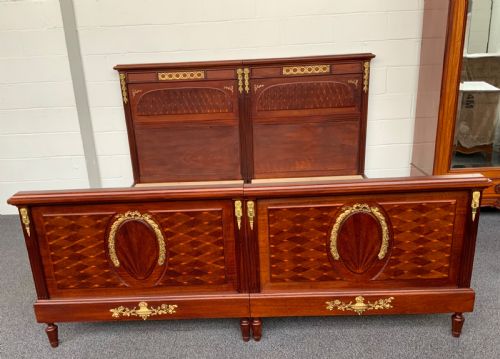
French Style Brass Frame
A french style brass frame brings continental elegance to an interior, combining polished metalwork with decorative mirror, bed, and photo frame designs.
French Style Brass Frame
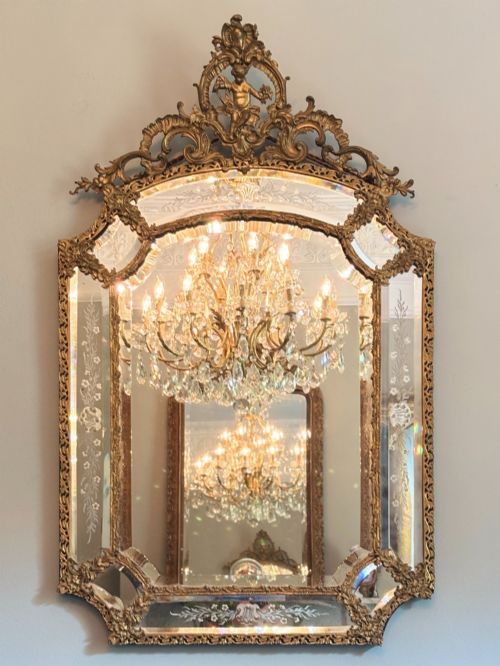
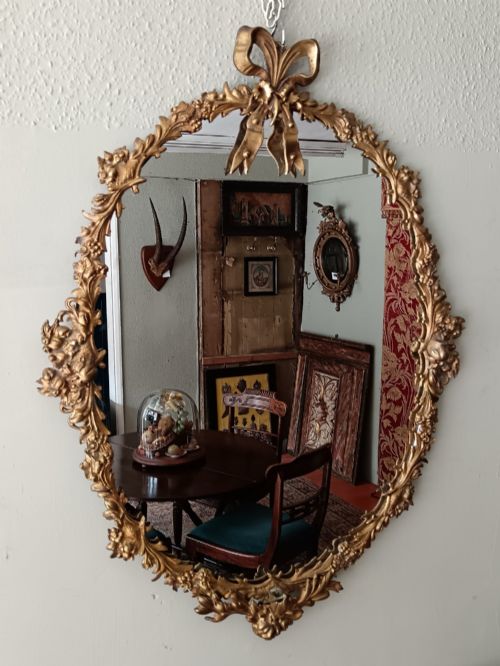
A french style brass frame encompasses decorative wall mirrors, portrait photo frames, and structural bed frames spanning the nineteenth and early twentieth centuries. These pieces draw upon design vocabularies such as French Empire, Rococo, Neoclassical, and Edwardian tastes.
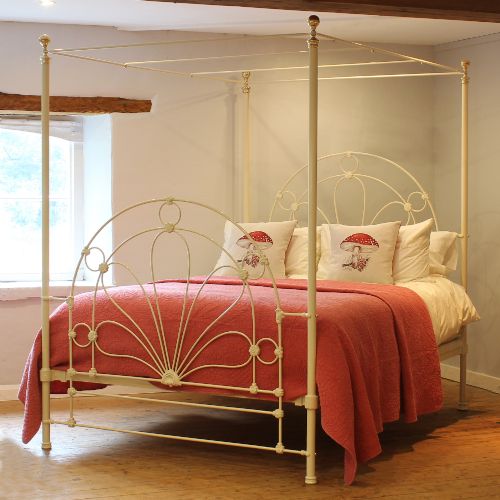
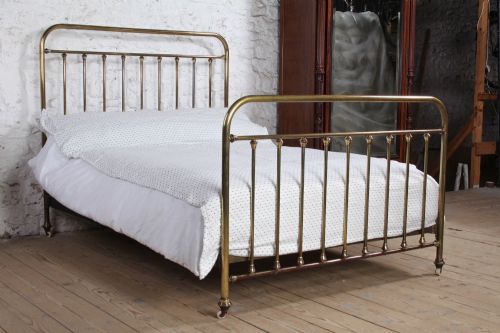
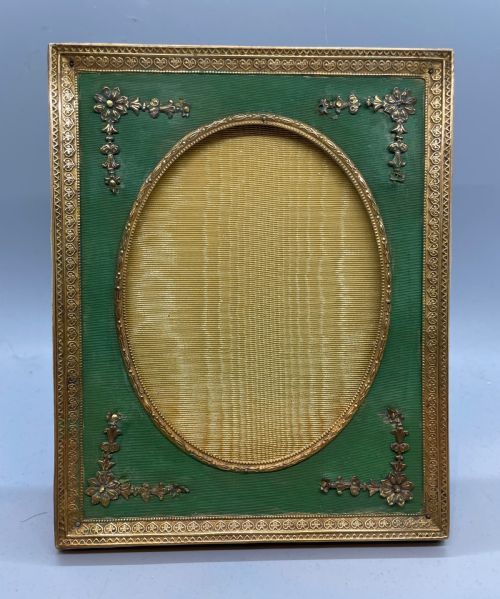
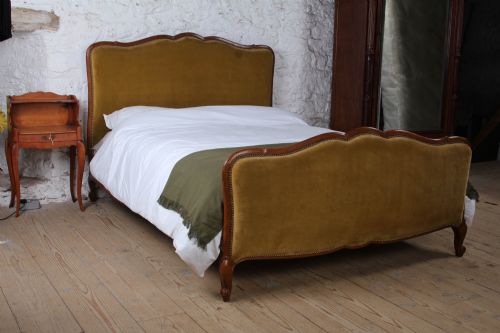
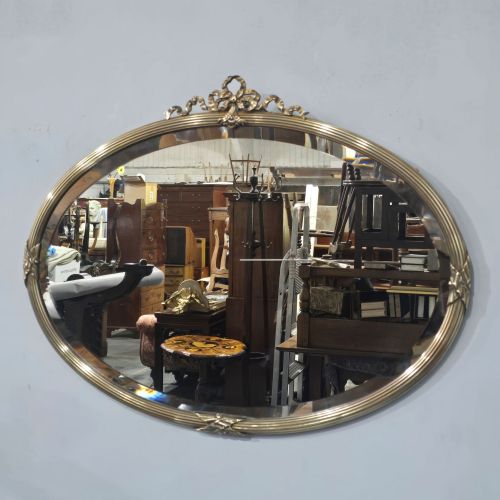
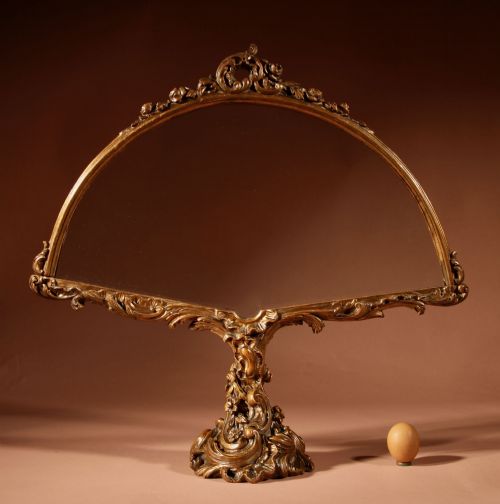
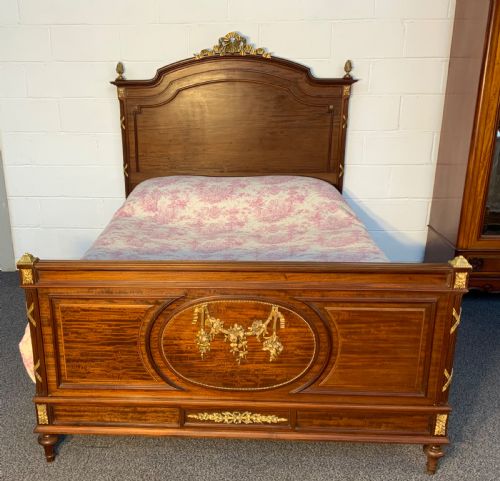
The objects take many forms on this page, appearing as small table mirrors, glazed photo frames, oval wall mirrors, and large bed frames with brass detailing. The metalwork functions as the primary visual anchor for each piece, whether cast in ormolu, gilt bronze, or polished brass.
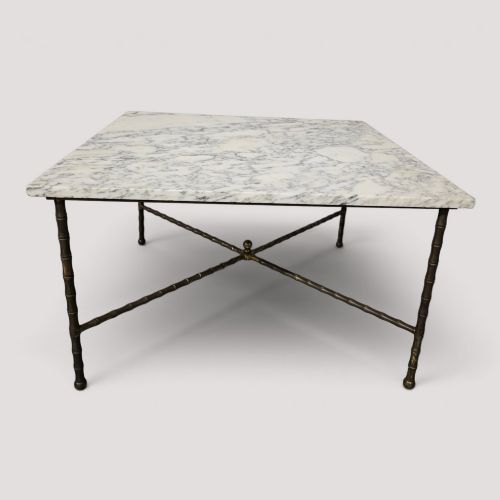
Makers and manufacturers produced these items across multiple decades, from eighteen fifty through to nineteen thirty. The selection balances domestic furnishings like armchairs and coffee tables with decorative mirrors and display stands.
Materials and construction techniques
Construction relies heavily on brass, gilt bronze, and ormolu combined with glass, crystal, and occasional timber frames made from mahogany, satinwood, or plum pudding mahogany. Artisans cast, chased, and polished the metal components to create crisp surface relief and enduring shine.
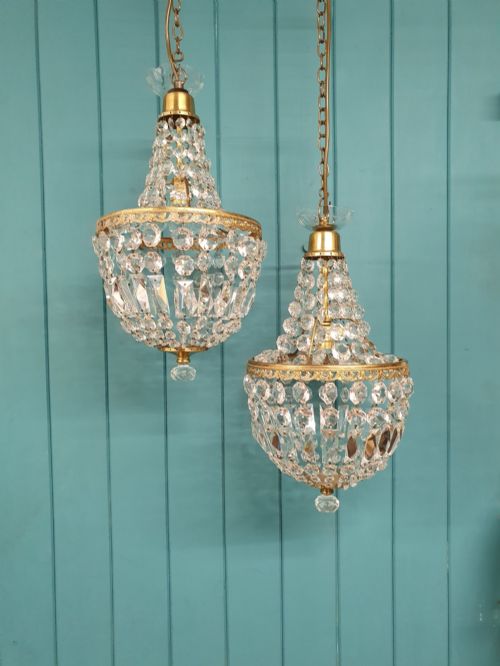
Mirrors and photo frames frequently incorporate bevelled glass and intricate corner castings, while larger pieces such as beds and coffee tables integrate metal tubing or mounts with solid wood structures. Lighting variations combine brass frames with cut glass crystals, prisms, and swags.
French Style Brass Frame Retail Price Guide 2026
Typical asking prices for french style brass frame among the pieces listed under this phrase on Sellingantiques today, from the lower quarter to the upper quarter. They describe what is for sale here now, not the wider market.
Object types range from wall mirrors and photo frames to double beds, chandeliers, and coffee tables.
Judging quality in metalwork and frames
Quality reveals itself in the sharpness of the casting and the depth of the chasing on the brass or ormolu mounts. Finer examples display crisply rendered botanical motifs, scrolls, and figural elements rather than soft, mass-produced surface smoothing.
The integrity of the joinery and the weight of the metal separate standard production from superior pieces. Solid brass construction and substantial gilt bronze mounts hold their structural stability and finish significantly better over time.
The French Style Brass Frame Glossary
- Ormolu
- A type of gilt bronze application where powdered gold is fused to a copper alloy base. This technique creates a rich golden finish common on finer nineteenth-century frames and mounts.
- Rococo
- An ornate artistic style characterised by asymmetrical curves, scrollwork, and naturalistic plant motifs. It heavily influences many nineteenth-century mirrors and display stands.
- Neoclassical
- A revival style drawing inspiration from classical antiquity, featuring symmetrical lines, urns, and geometric precision. It appears frequently in nineteenth-century bed frames and wall mirrors.
- Bijouterie table
- A glass-topped display table designed for small treasures and trinkets. These tables often feature detailed wood and metal framing.
- Bevelled glass
- Mirror or window glass with edges cut and polished at an angle. This technique catches the light and adds visual depth to wall and table mirrors.
French Style Brass Frame: Frequently Asked Questions
How do I date a brass frame?
Dating relies on stylistic clues, construction methods, and the type of metal finishing used. Pieces from the nineteenth century often feature hand-chased ormolu and heavier cast bronze elements.
Later items from the early twentieth century lean towards simpler polished brass or machine-finished details. Examining the backboards, fixings, and glass bevelling helps confirm the production era.
Are these frames solid brass?
Materials vary across the selection, encompassing solid brass, gilt brass, gilt bronze, and ormolu applied over base metals. Some mirror and bed listings combine brass detailing with wooden structures such as mahogany or iron.
Reading the specific listing details confirms whether the entire structure or merely the outer mount consists of brass.
How should I clean antique brass?
Antique brass requires gentle maintenance to preserve its patination and protective finishes. Dusting with a soft dry cloth prevents dirt buildup without harming delicate gilt surfaces.
Avoid abrasive chemical polishes that strip away original gilding or ormolu. Consult a specialist restorer if the metalwork requires deeper cleaning or stabilisation.
Can I hang a heavy wall mirror safely?
Hanging a heavy nineteenth-century mirror demands secure wall fixings suited to the weight of the frame and glass. Professional installation into wall studs or masonry ensures safety.
Checking the structural integrity of the brass frame and original hanging loops before mounting is essential for secure placement.