

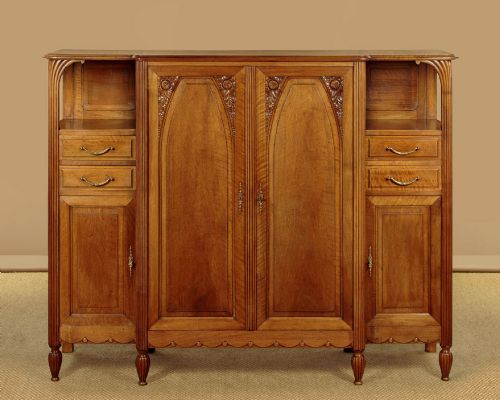
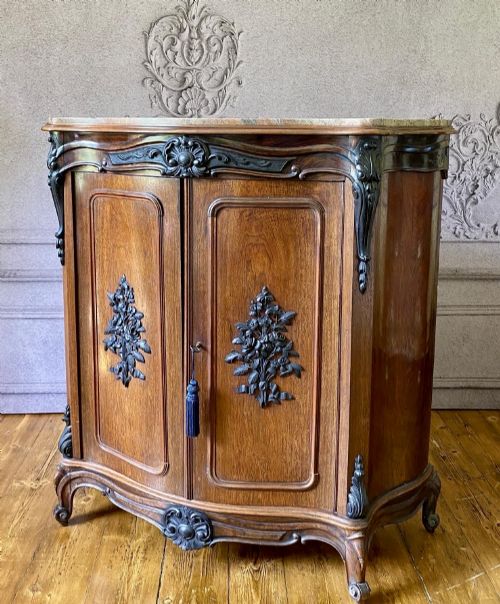
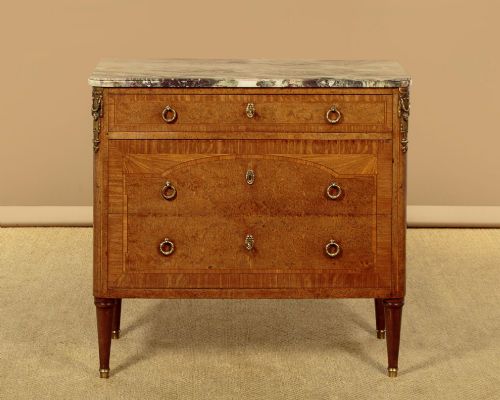
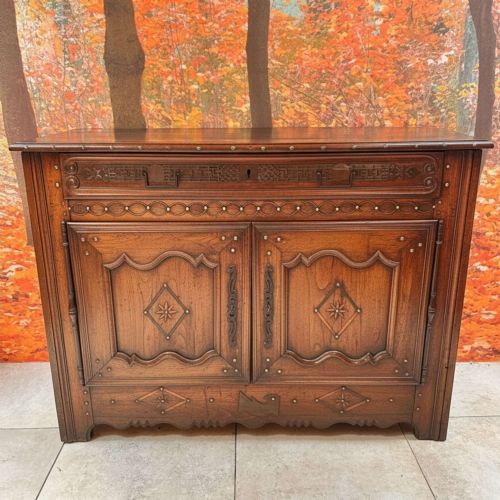
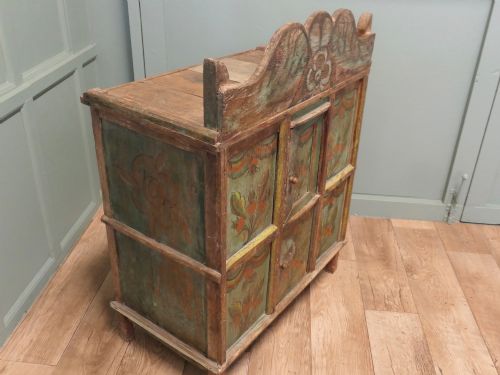
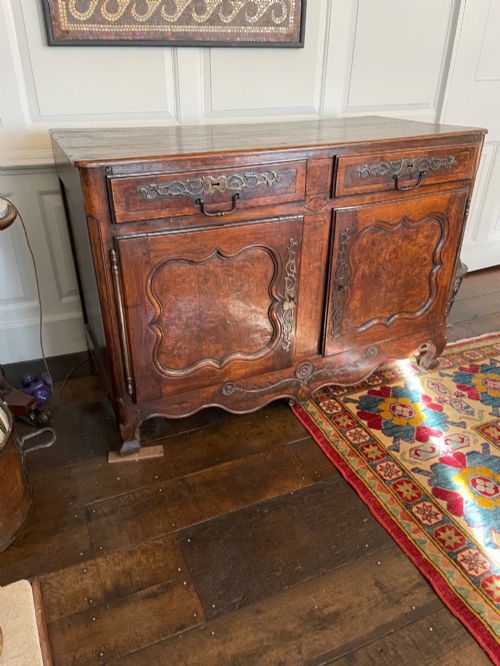
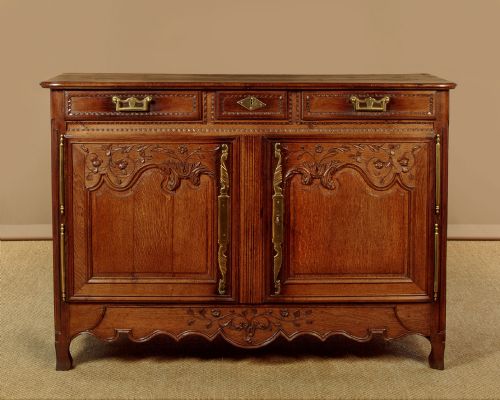
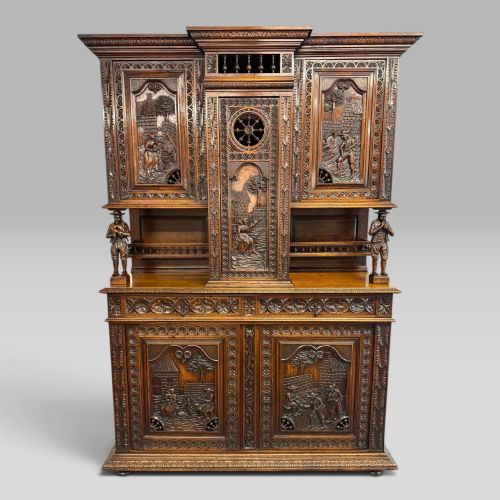
French Storage Sideboard
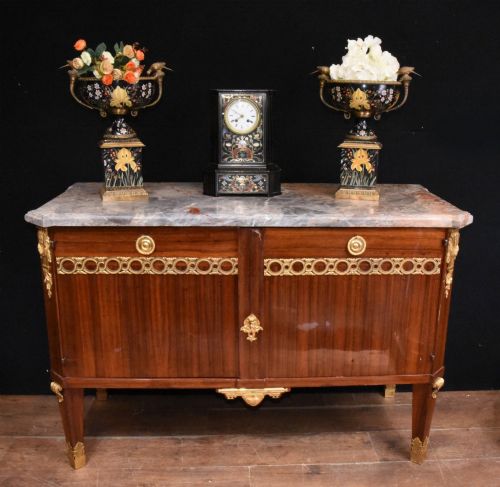
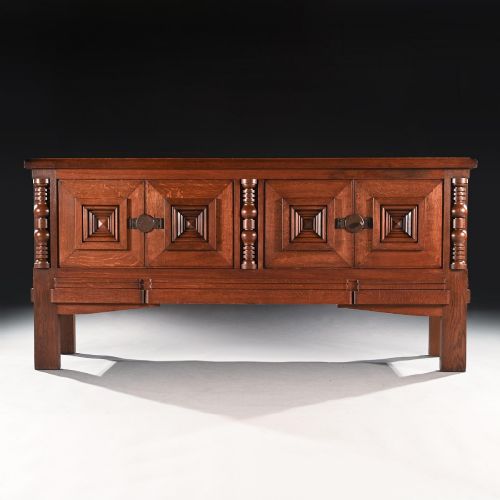
A french storage sideboard provides generous room for household goods while introducing regional character, heavy timber and polished stone into a room.
French Storage Sideboard
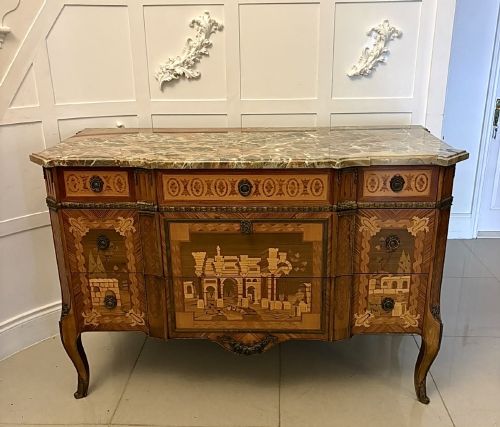
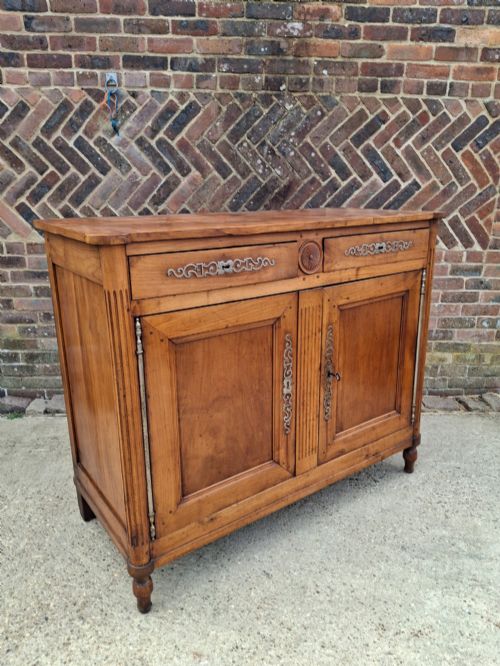
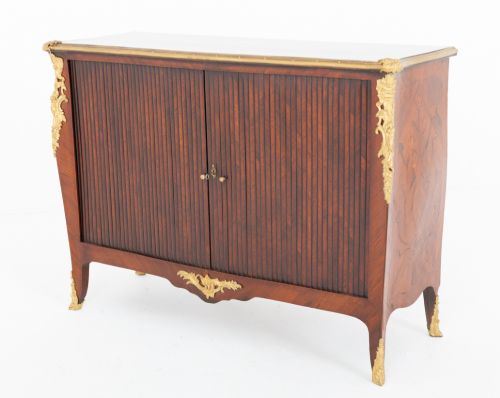
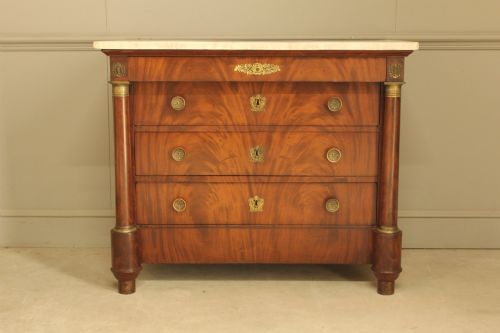
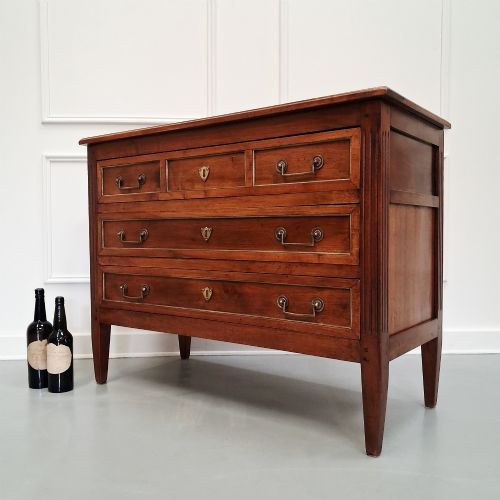
A french storage sideboard encompasses a range of utilitarian and formal furniture designed to hold provisions, linens and tableware. When searching for this phrase, buyers encounter low buffets, enfilades, commodes, and multi-door cupboards spanning from the eighteenth century through the art deco period.
Regional provincial pieces appear alongside formal revival styles such as Louis XVI and Louis XV. Buyers also meet specialised storage forms like the confiturier, or jam cupboard, and the low sacristy cabinet intended for domestic organisation.
The nineteenth century yields numerous timber chests and marble-topped cabinets, while twentieth-century examples embrace clean lines and ebonised finishes. Each form reflects the domestic habits and cabinet-making traditions of its specific decade and region.
Materials and construction
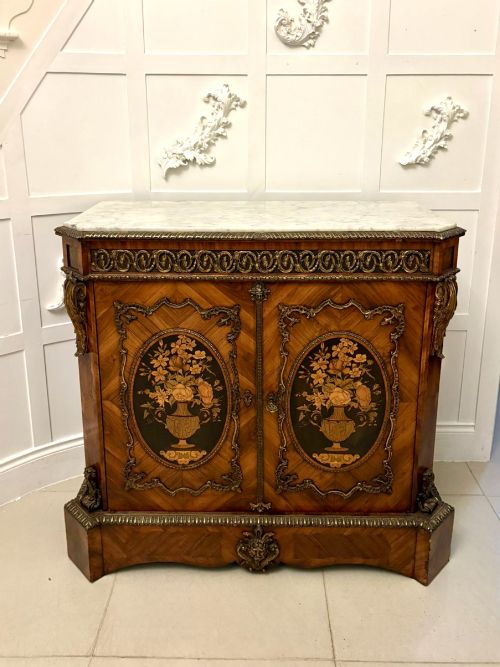
Carpenters utilised dense regional timbers including walnut, oak, cherrywood and pine for the primary framework of these storage pieces. More decorative examples incorporate exotic veneers such as kingwood, rosewood, and burr walnut, often arranged in geometric parquetry or floral marquetry patterns.
Heavy marble tops, ranging from plain white to scagliola varieties, provide durable surfaces on commodes and sideboards. Metal embellishments in brass, ormolu, and cast iron appear as mounts, handles, and structural legs, complementing the fitted timber doors and drawer fronts.
French Storage Sideboard Retail Price Guide 2026
Typical asking prices for french storage sideboard among the pieces listed under this phrase on Sellingantiques today, from the lower quarter to the upper quarter. They describe what is for sale here now, not the wider market.
Some nineteenth-century storage cabinets arrive repurposed from closed Breton bed fronts, turning midnight sleeping quarters into daytime sideboards.
Judging execution and finish
The standard of a piece rests on the precision of its joinery and the selection of its timber veneers. Superior examples display seamless parquetry, tightly fitted drawers, and substantial stone tops that sit flush against the timber frame.
Decorative hardware and mounts reveal the care taken during production. Finely cast ormolu, original brass fittings, and intricate marquetry separate standard utilitarian furniture from finer cabinet-making.
Maison Gagneau·Charles Dudouyt
The French Storage Sideboard Glossary
- Commode
- A low chest of drawers or cabinet, frequently fitted with a marble top. These pieces often serve as storage sideboards in living areas and bedrooms.
- Enfilade
- A long sideboard or buffet featuring multiple doors, designed for dining rooms and large hallways. The form provides extended surface space and deep interior capacity.
- Marquetry
- Decorative patterns formed by inserting pieces of contrasting veneer into a wood foundation. Craftsmen utilise this technique to create floral or geometric motifs.
- Ormolu
- Gilded bronze used for decorative mounts and furniture hardware. The material adds metallic contrast to dark woods such as walnut and mahogany.
- Parquetry
- Geometric wood mosaic work used for floors and cabinet surfaces. The technique arranges small veneer blocks into repeating patterns.
French Storage Sideboard: Frequently Asked Questions
Where should I place a french storage sideboard?
These cabinets suit dining rooms, hallways, and living spaces where concealed storage is necessary. Their flat tops also provide functional display areas for lamps and decorative objects.
Lower enfilades and commodes fit well along long walls, while smaller cupboards occupy compact corners or transitional spaces.
How do I maintain marble tops on these sideboards?
Marble surfaces require gentle cleaning with mild soap and water to avoid dulling the polish. Acidic liquids can etch the stone, so coasters protect the top during daily use.
Applying a specialised stone sealer helps guard against stains while preserving the natural grain of the marble.
How do I distinguish eighteenth-century pieces from later revivals?
Eighteenth-century pieces display hand-cut joinery, pegged joints, and timber patination developed through centuries of use. Revival pieces from the nineteenth century often incorporate machine-cut elements alongside period-accurate stylistic motifs.
Examining the drawer linings and interior construction reveals the manufacturing methods characteristic of each distinct era.
Can I use a commode as a sideboard?
Commodes with deep drawers and wide surfaces function effectively as compact sideboards in dining rooms or entrance halls. Their enclosed storage holds table linen, cutlery, and household items securely.
Height and depth vary across periods, so measuring the intended space ensures the piece matches surrounding furniture proportions.