

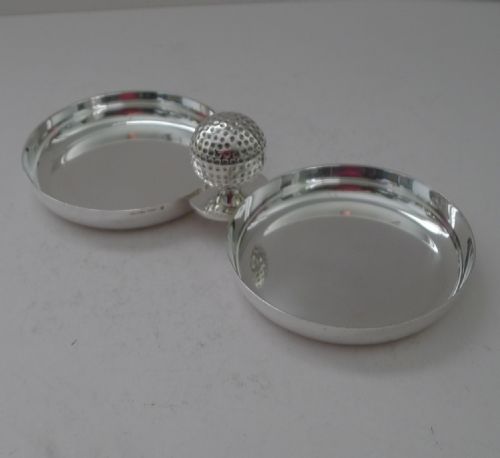


French Silver Trinket
When you handle french silver trinket pieces, you touch small boxes, dishes and jars shaped by centuries of metalwork.
French Silver Trinket
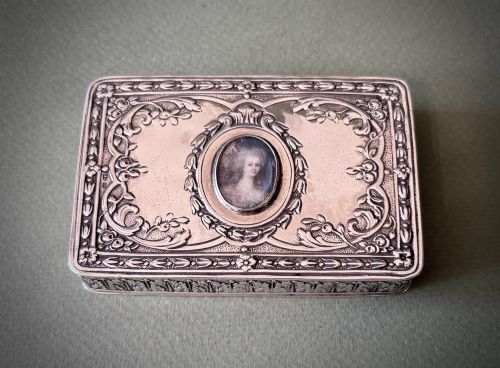
These items encompass small receptacles designed for personal use, ranging from snuff boxes and pill boxes to valet trays, vide poche dishes, dressing table jars, etui cases and larger caskets. The selection on this page centres heavily on nineteenth century items alongside mid twentieth century examples, reflecting diverse domestic and personal habits.
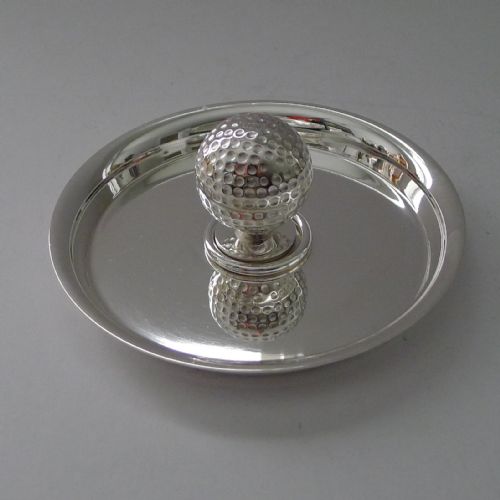
Forms vary from utilitarian pocket containers to decorative desk and dressing table accessories. Buyers encounter novelty vide poche dishes, cylindrical etui boxes, miniature sedan chairs and covered bowls that illustrate both nineteenth century revival styles and mid century modern design.
How they were made
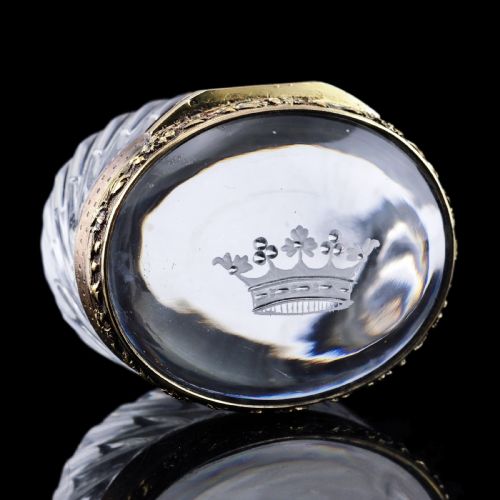
Maker workshops utilise silver, solid silver, sterling silver, silver plate, silvered metal and silvered copper, frequently applying vermeil or silver gilt finishes to the interior and exterior surfaces. Many pieces combine metal mounts with crystal, glass, niello work, guilloche enamel or satinwood to achieve their finished appearance.
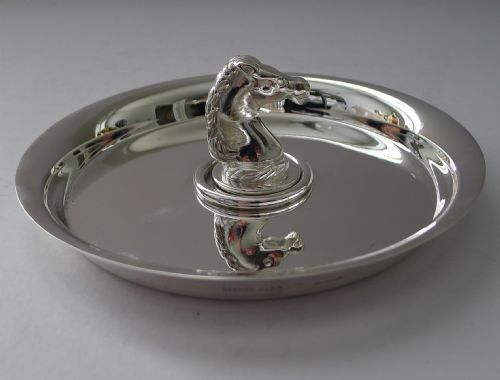
Decoration relies on engine turned guilloche patterns, coin insets and cast figural elements such as horse heads and bulldog forms. Construction techniques join metalwork with moulded glass or turned wood bodies, securing hinges and lids for everyday utility.
French Silver Trinket Retail Price Guide 2026
Typical asking prices for french silver trinket among the pieces listed under this phrase on Sellingantiques today, from the lower quarter to the upper quarter. They describe what is for sale here now, not the wider market.
Several novelty boxes take the form of miniature sedan chairs, bulldog heads, and horses.
What varies in quality
The distinction between standard items and superior examples rests upon the crispness of cast details, the precision of engine turned guilloche patterns and the integrity of mercury gilt or vermeil surfaces. Pieces featuring integrated coin insets or combined materials like Clichy glass demand greater technical skill from the maker.
Design attribution and period execution dictate the standing of an object, with specific firm involvement and distinct revival styles elevating the work. The heft of solid silver versus silver plated or silvered copper bases also marks the tier of production.
Hermes Paris·W Comyns·Maria Pergay
The French Silver Trinket Glossary
- Vermeil
- Silver gilt, meaning sterling or solid silver plated with a layer of gold. This finish protects the silver from tarnishing while providing a rich golden lustre.
- Guilloche
- An ornamental pattern produced by a mechanical lathe that etches precise, intricate geometric designs into metal. It often appears beneath a translucent layer of enamel.
- Vide poche
- Literally meaning empty pocket, this dish or tray serves as a small receptacle for pocket contents like coins and keys at the end of the day.
- Niello
- A black metallic alloy used as an inlay on engraved silver surfaces. The dark contrast highlights the fine lines of the surrounding metal design.
- Etui
- A small ornamental case used for holding needles, cosmetics or other small implements. These cylindrical or rectangular containers often feature hinged lids.
French Silver Trinket: Frequently Asked Questions
What is a french silver trinket?
A french silver trinket is a small decorative or utility container made in France, encompassing items such as pill boxes, snuff boxes, vide poche dishes and dressing table jars.
These pieces utilise silver, silver gilt, vermeil and silver plate, often combining glass or enamel elements for personal use on a desk or dressing table.
How do I identify periods?
Periods are identified through stylistic cues such as nineteenth century Rococo Revival and Renaissance Revival motifs, contrasted with mid century modern clean lines from the nineteen fifties and sixties.
Materials also indicate age, as nineteenth century works frequently incorporate solid silver, niello and Clichy glass, while later mid century pieces often feature silver plating or sterling.
How were these boxes used?
These boxes held small personal items like snuff, pills, coins or jewellery. Valet trays and vide poche dishes collected pocket contents at day's end.
Dressing table jars and etui cases stored cosmetics, pins or small sewing tools, serving both functional and decorative roles in private chambers.
Can I use them daily?
Many of these pieces suit everyday use for storing small modern items like pills or cuff-links on a bedside table or desk. Their original construction in sturdy metals ensures practical durability.
Care should be taken with delicate surfaces such as guilloche enamel or gilt finishes to preserve their decorative integrity during handling.