






French Seascape Artwork
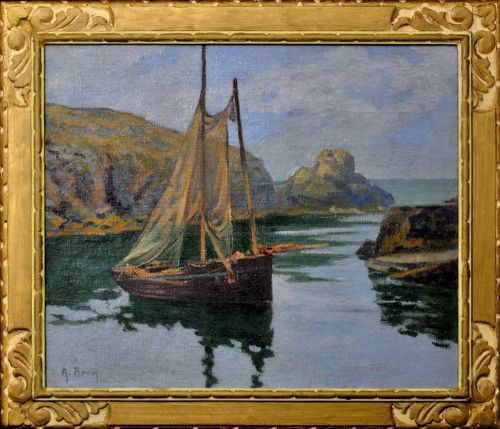
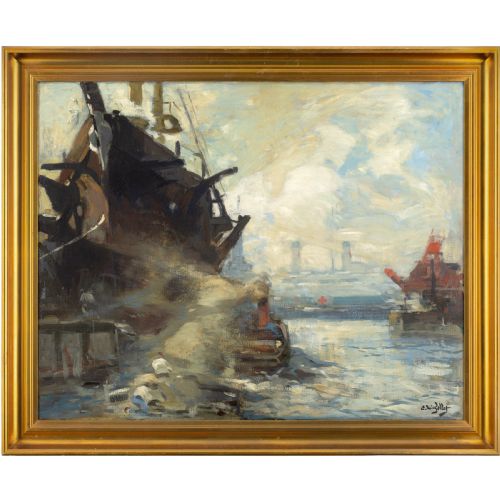
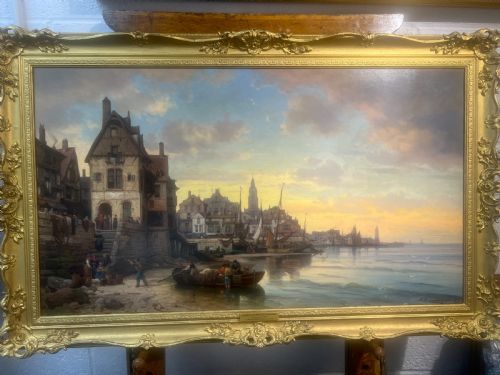
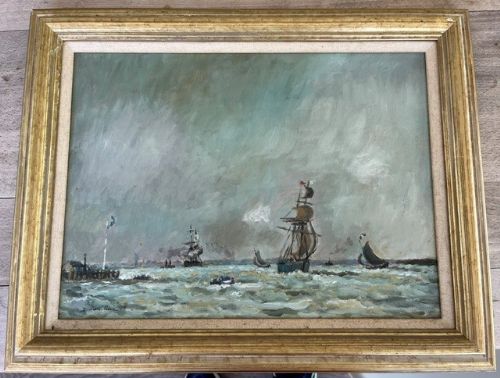
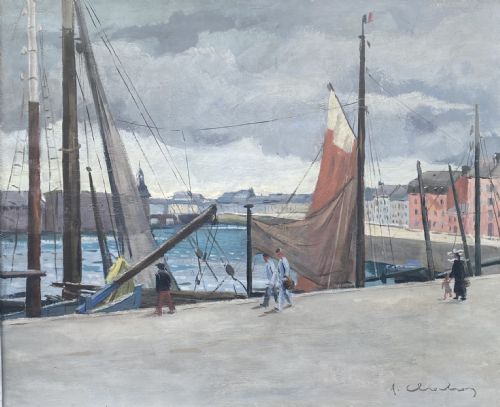
These pieces of french seascape artwork capture coastal light and maritime life along northern shores and southern harbours.
French Seascape Artwork
When you search for french seascape artwork, you encounter coastal scenes ranging from nineteenth century harbour views to mid-century modernist interpretations. The selection on this page centres on oil paintings and watercolours depicting ports, beaches, and rocky shores across regions like Normandy, Brittany, and the Mediterranean coast.
The most common formats include framed oil paintings on canvas or board, alongside delicate watercolours on paper. These works document maritime activity, fishing vessels, and coastal architecture through the lens of nineteenth century realism, impressionism, and post-impressionism.
Materials and Technique
Artists utilised oil paint on stretched canvas, wood panels, and sturdy boards, often applying thick impasto layers to suggest the texture of crashing waves and rugged cliffs. Watercolours on paper capture lighter atmospheric effects, particularly the bright sunlight of the Côte d'Azur.
Framing typically involves gilt wood or painted mouldings selected to complement the tonal palette of the marine subject. Many canvases remain in their original surrounds, preserving the historical context of the production.
French Seascape Artwork Retail Price Guide 2026
Typical asking prices for french seascape artwork among the pieces listed under this phrase on Sellingantiques today, from the lower quarter to the upper quarter. They describe what is for sale here now, not the wider market.
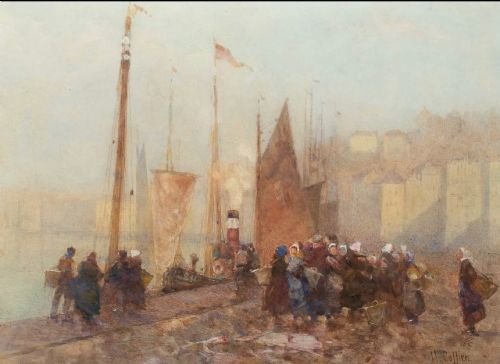
Several canvases record bustling harbour moments where spectators watch ships depart while enjoying a quiet read on the seafront.
Assessing Quality and Execution
Superior examples demonstrate a confident handling of light and atmospheric perspective, capturing the specific quality of air and water in locations like Marseille, Toulon, or Honfleur. The best brushwork feels energetic yet precise, defining maritime structures and water movement without unnecessary clutter.
Compositional balance and the handling of colour harmonies distinguish finer pieces from standard decorative studies. Works that successfully evoke the distinct atmosphere of the French coast command greater interest from collectors.
Eugène-Louis Gillot·Hector Caffieri·Paul Delvaux·Gustave Vidal·Jean-Baptiste Olive·Yves Brayer
The French Seascape Artwork Glossary
- Impasto
- A technique where paint is laid onto a surface in very thick layers, usually thick enough that the brush or painting-knife strokes are visible. This method adds tactile three-dimensional quality to coastal waves and clouds.
- Post-Impressionism
- An art movement developing from about the eighteen-eighties that extended impressionism while rejecting its limitations. Artists relied on symbolic colours and heavier geometric forms.
- Gilt
- Covered thinly with gold leaf or gold paint. This finish frequently appears on the antique frames enclosing nineteenth and twentieth century canvases.
- Provenance
- The chronology of the ownership, custody or location of a historical object. Documented origins enhance the historical value of maritime paintings.
French Seascape Artwork: Frequently Asked Questions
What periods do these artworks cover?
The pieces span from the nineteenth century through the mid-twentieth century, capturing shifting artistic movements across several decades.
Most items date from the early nineteen-hundreds to the nineteen-sixties, reflecting traditional academic approaches as well as modern impressionist styles.
How should I display a vintage oil painting?
Position your artwork away from direct sunlight and fluctuating heat sources to protect the canvas and traditional wooden frame.
Ensure adequate wall space allows the composition and surface texture to be appreciated without visual competition from surrounding decor.
Are watercolours different from oil paintings?
Watercolours utilise pigment suspended in water-based solutions applied to paper, producing luminous and translucent effects.
Oil paintings use slow-drying pigments bound in medium oils on canvas or board, allowing for rich textures and deeper colour saturation.
How do I identify coastal regions in the paintings?
Titles and inscriptions often name specific locations such as Brittany, Normandy, Cannes, or Toulon, identifying the geographic subject.
Architectural details, boat designs, and the quality of light also provide clues to whether a scene depicts the Atlantic coast or the Mediterranean.