

French School Oil
Discover a curated selection of french school oil paintings spanning centuries of continental portraiture, landscape, and still life.
French School Oil
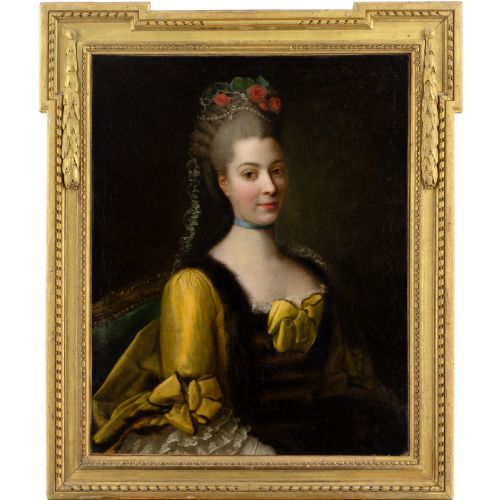
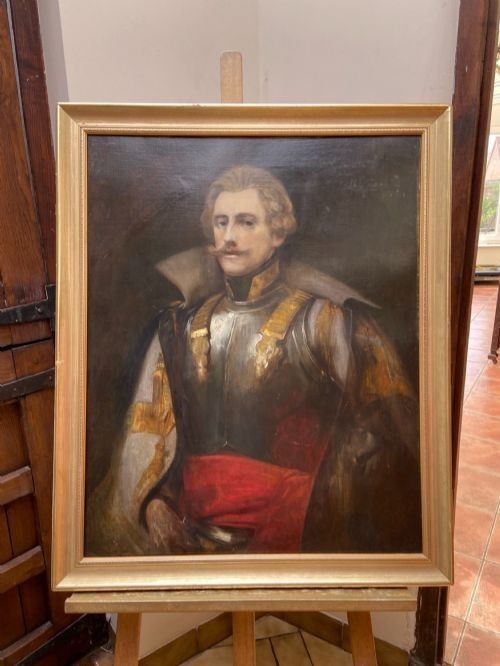
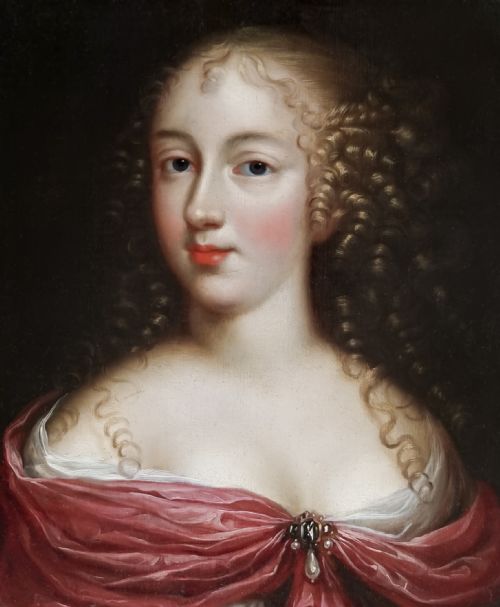
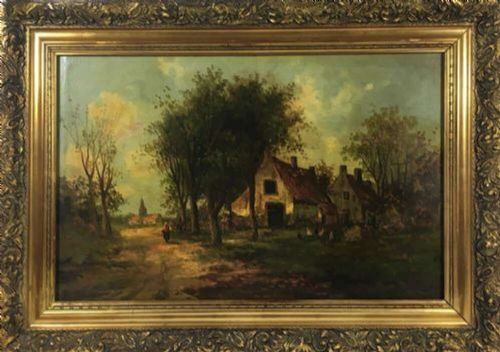
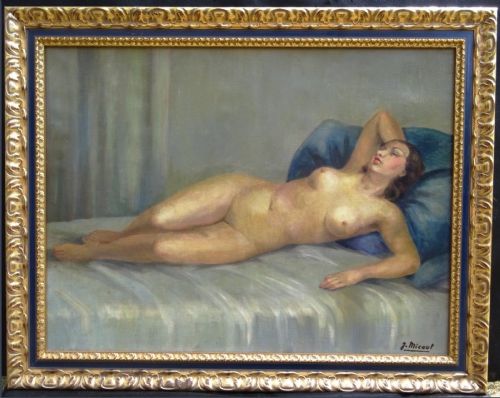
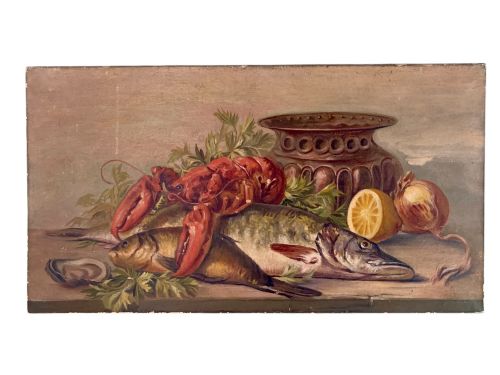
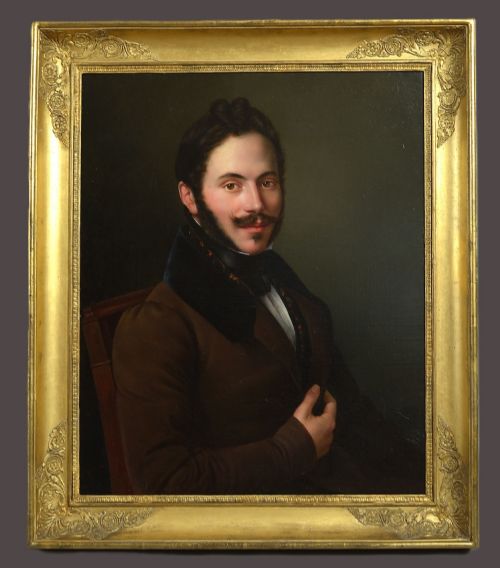
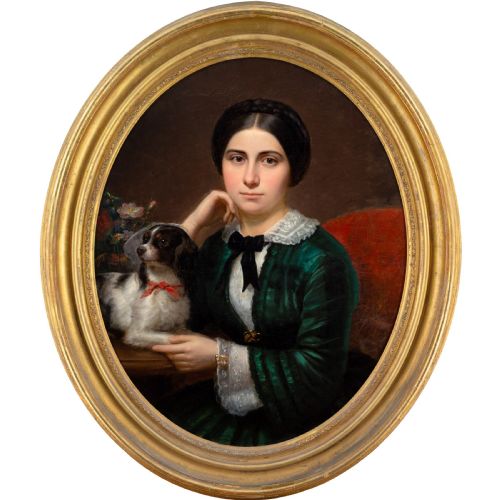
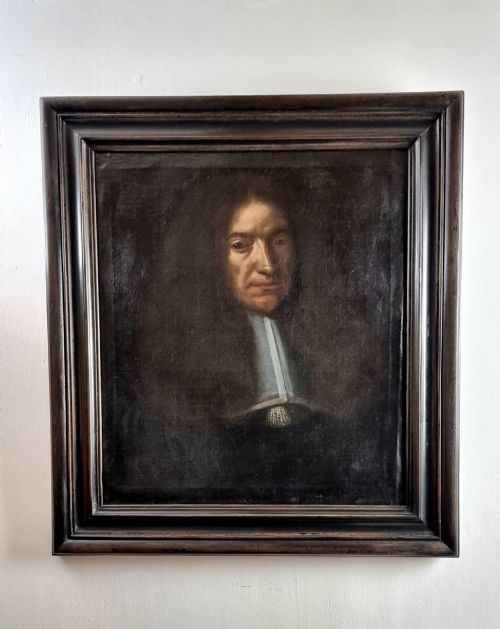
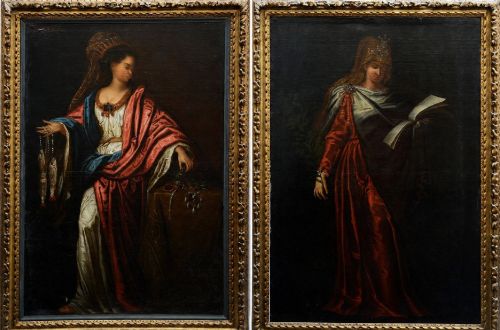
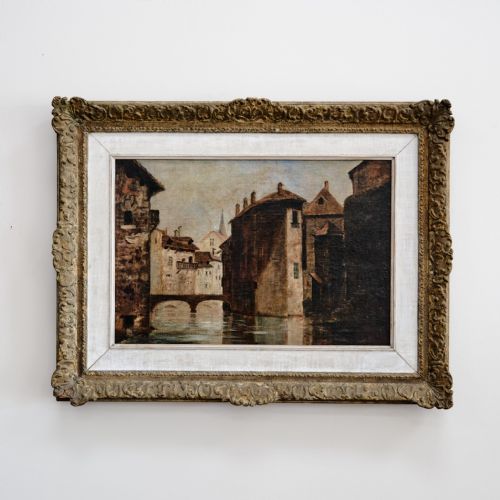
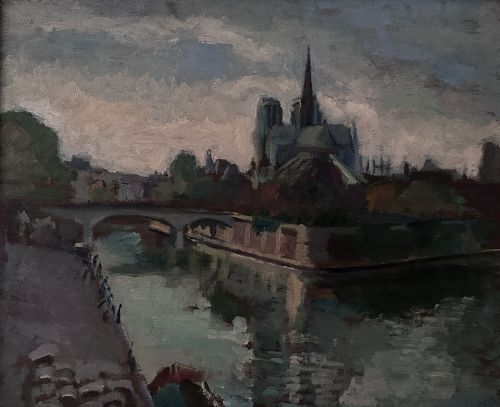
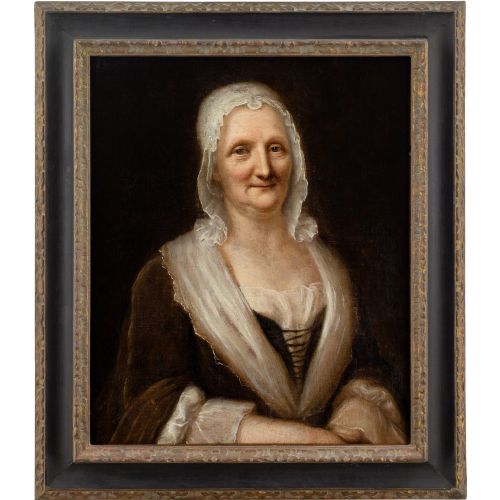
A buyer seeking a french school oil painting encounters centuries of artistic tradition ranging from seventeenth-century court portraits to twentieth-century impressionist landscapes and modern expressionist compositions. These works capture historical figures, rural farmyards, coastal views, and intimate domestic scenes created by named masters, regional circles, and anonymous studio hands alike.
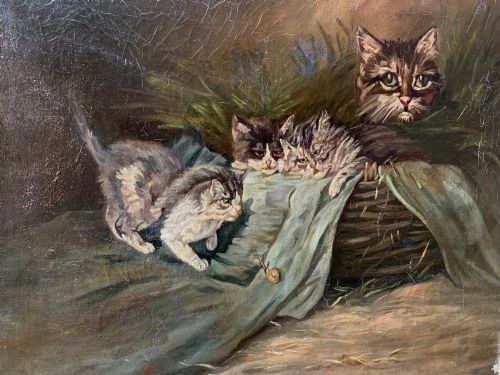
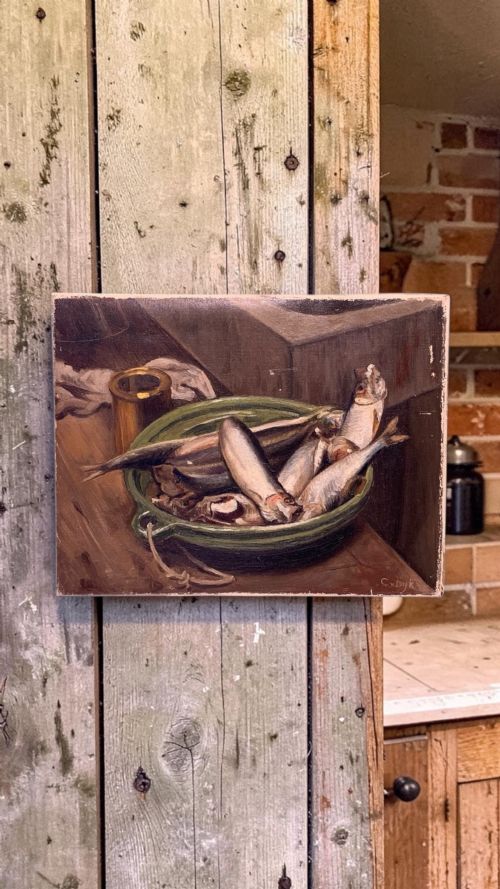
The inventory on this page leans heavily towards nineteenth-century canvases, seventeenth-century aristocratic portraits, and early twentieth-century genre scenes. Buyers routinely discover oil on canvas, wood panel, and copper supports housed within period frames, offering diverse formats from large cityscapes to delicate animal studies.
How they were made
Painters utilised oil paint applied to prepared surfaces such as woven canvas, wooden panels, and copper plates to achieve rich tones and lasting durability. Canvases were typically stretched across wooden frames and primed before brushwork began, while panel paintings employed solid timber supports often reinforced against warping.
Framing forms an integral part of many pieces, utilising carved and moulded wood finished with gesso and giltwood to complement the visual weight of the central canvas. Surface details range from delicate glazes on portrait skin tones to heavier impasto strokes on impressionist landscapes and still life arrangements.
Materials recorded across the inventory include oil paint applied to canvas, wood panels, copper, and gessoed giltwood frames.
What varies in quality
The distinction between standard works and exceptional pieces rests upon the surety of the brushwork, the psychological depth captured in portraits, and the compositional balance of landscapes. Master painters demonstrate superior command over light, shadow, and anatomical precision, elevating simple domestic scenes or military portraits into compelling historical documents.
Condition and originality heavily influence overall merit, particularly the preservation of the original paint layer and the authenticity of accompanying period frames. Works retaining clear provenance or direct attribution to established ateliers command greater attention from serious collectors.
Pierre Mignard·Edouard Pingret·Joseph Vivienne·Henri and Charles Beaubrun·Paul Desire Trouillebert·Honore Cavaroc·Henri Jaques Delpy·Gabriel Dauchot·Hyacinthe Rigaud
The French School Oil Glossary
- Barbizon School
- A nineteenth-century movement of French painters dedicated to naturalistic landscape painting, working directly from nature in the forest of Fontainebleau.
- Gesso
- A plaster-like mixture applied to wooden panels or frame mouldings to create a smooth, prepared surface for subsequent gilding or painting.
- Impasto
- Paint applied thickly to a canvas, standing out from the surface so that brush or palette knife marks remain visibly prominent.
- Provenance
- The documented history of ownership of a work of art, establishing its authenticity and chain of custody over time.
- Vanitas
- A symbolic genre of still life painting containing items intended to remind viewers of the transience of life and the certainty of death.
French School Oil: Frequently Asked Questions
How do I date a french school oil painting?
Dating relies heavily on costume details, hairstyles, stretcher construction, and canvas preparation methods visible on the reverse. Stylistic clues within the brushwork and framing choices also offer reliable chronological markers.
Comparing signatures, exhibition labels, and known artist palettes helps narrow down the exact decade of creation when documentation is otherwise sparse.
What is the Barbizon School?
The Barbizon School refers to a group of nineteenth-century French artists who gathered around the village of Barbizon to paint landscapes directly from observation. They rejected classical academic conventions in favour of atmospheric realism and rural scenery.
Their focus on shifting light and natural weather conditions paved the way for the later development of Impressionism.
How should I care for an antique oil painting?
Protect antique canvases by hanging them away from direct sunlight, heating vents, and damp environments. Stable indoor humidity prevents the wooden stretcher bars and panel supports from warping or cracking.
Dust the surface gently with a soft, dry artist brush rather than using wet cloths, and consult a professional conservator for deep cleaning.
What is the difference between oil on canvas and oil on panel?
Oil on canvas involves paint applied to woven textile stretched over a wooden frame, offering flexibility and large formats. Oil on panel utilises rigid wooden boards or copper sheets, providing a completely firm working surface.
Panel paintings often survive from earlier centuries because the rigid support protected the brittle oil paint from sagging or tearing over time.