



French Rococo Vases
French rococo vases combine porcelain and gilt bronze mounts, bringing ornate 19th-century decorative style to a room.
French Rococo Vases
French rococo vases encompass decorative porcelain vessels, lidded urns, and ewers created during the 19th century. These pieces often draw on the aesthetic traditions of Sevres, Paris workshops, and regional faience centres.
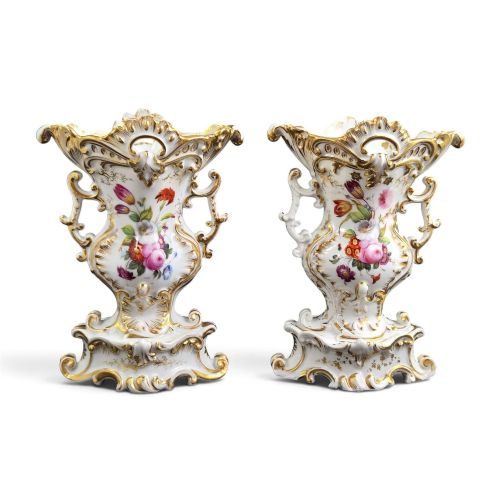
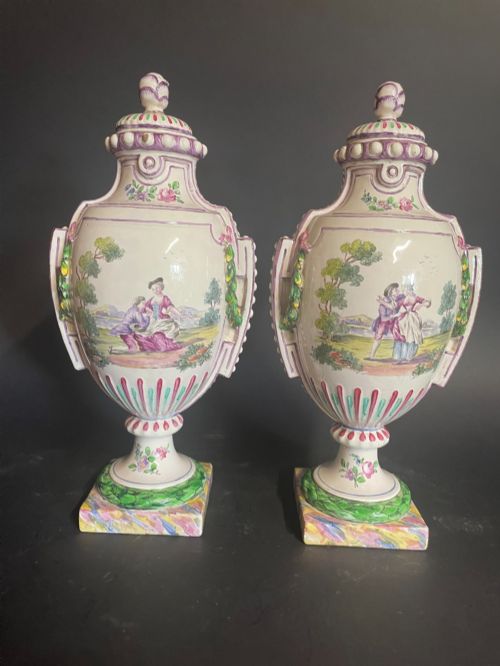
Collectors frequently encounter matched pairs, mantel garniture sets, and pieces mounted as table lamps. The forms follow historical revival styles, displaying elaborate handles, scrolling bases, and painted floral motifs.
Originating from periods spanning the Regency era into the early 20th century, these items reflect the enduring popularity of ornate French interior decoration.
How they were made
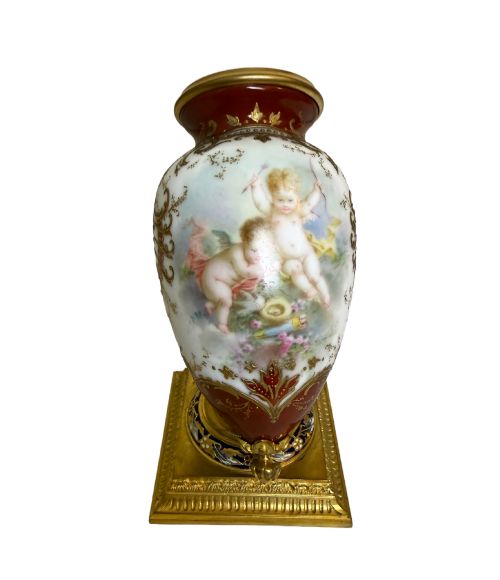
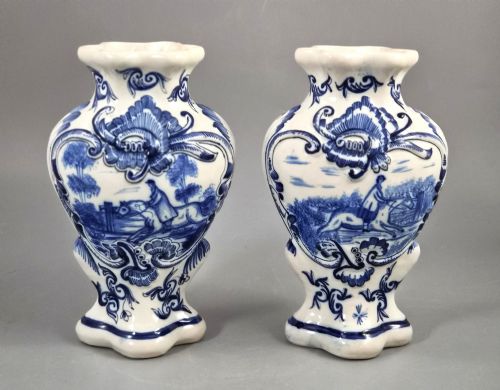
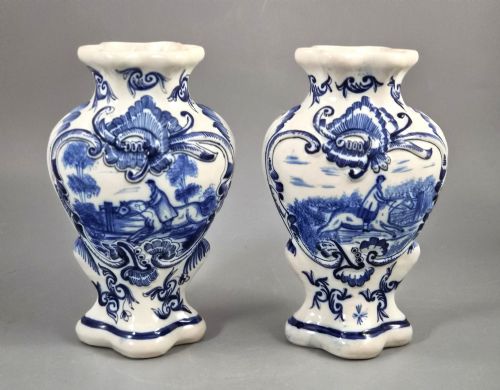
Makers utilised high-fired porcelain and earthenware as the primary bodies for these vessels, frequently applying hand-painted floral designs and raised white enamel. Faience production involved tin-glazed earthenware methods, seen in blue and white or manganese colour palettes.
Gilt bronze and ormolu mounts were cast and applied to secure the porcelain bodies, adding structural handles, rims, and bases. Gold leaf and brass details complemented the metalwork, completing the ornate aesthetic of the period.
Listings feature 19th-century porcelain and earthenware, incorporating gilt bronze mounts, hand-painted floral enamel, and traditional blue and white glazes.
What varies in quality
The refinement of the hand-painted detailing separates standard decorative items from superior examples. Finely executed brushwork on floral scenes and consistent glazing indicate higher artisanal skill.
The crispness and weight of the gilt bronze mounts influence the overall standard of a piece. Well-cast metalwork fits precisely against the porcelain body and displays sharp chasing.
Jacob Petit·Fourmaintraux-Courquin·Sceaux·Samson Paris·Vion et Baury·Henry Dasson
The French Rococo Vases Glossary
- Gilt bronze
- Metal cast and coated with a layer of gold. It provides ornate mounts and handles for porcelain bodies.
- Garniture
- A set of matching vases or urns designed to sit together on a mantelpiece. These typically comprise three or more pieces.
- Bleu céleste
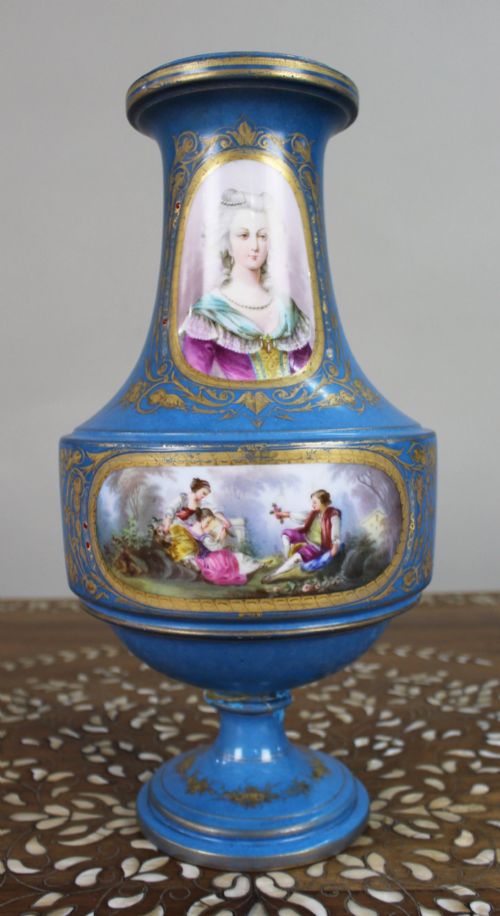
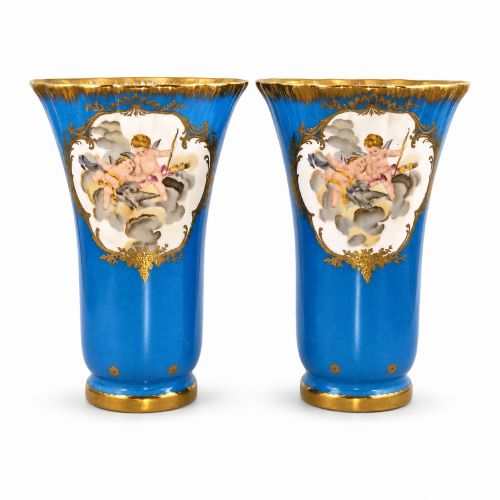
- A bright sky blue glaze colour associated with Sevres porcelain. It appears frequently on 19th-century revival pieces.
- Potpourri
- A vase or jar with a pierced lid made to hold dried scented plant material. These vessels feature decorative openings for fragrance diffusion.
French Rococo Vases: Frequently Asked Questions
What is a mantel garniture?
A mantel garniture consists of a matching set of three or more decorative objects, such as vases or urns, displayed together on a fireplace mantel. These sets were designed to create a balanced, symmetrical arrangement in a formal interior.
In 19th-century homes, they anchored the decorative scheme above the hearth, often incorporating matching clocks or candelabra.
How do I identify Sevres style?
Sevres style pieces replicate the distinctive porcelain bodies, rich ground colours like bleu celeste, and elaborate gilding associated with the historic French factory. They often feature hand-painted floral reserves framed by raised gold detailing.
Many 19th-century makers produced these revival items to satisfy the demand for royal French aesthetics without originating from the original royal workshop.
Where were faience vases made?
Faience vases were produced in regional French pottery centres such as Desvres and Sceaux. These workshops specialised in tin-glazed earthenware using traditional techniques and regional decorative motifs.
Makers like Fourmaintraux-Courquin created distinctive blue and white wares that mirrored earlier Delft and French pottery styles.
How should I clean gilt bronze?
Gilt bronze mounts require gentle dusting with a soft, dry cloth to prevent the accumulation of dirt in the chased details. Avoid using abrasive metal cleaners or polishes, which can strip the thin layer of gold leaf from the surface.
Preserving the original patination maintains the visual integrity of the 19th-century metalwork.