

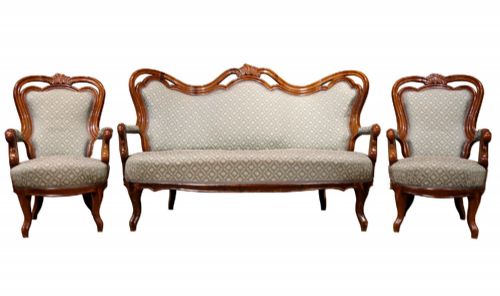


French Revival Sofa
A french revival sofa brings the opulent seating forms of earlier continental courts into nineteenth and early twentieth century interiors.
French Revival Sofa
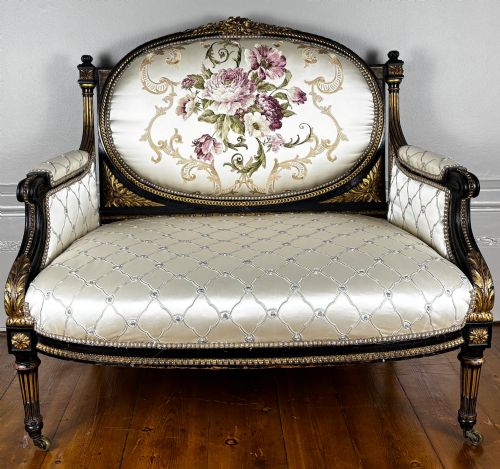
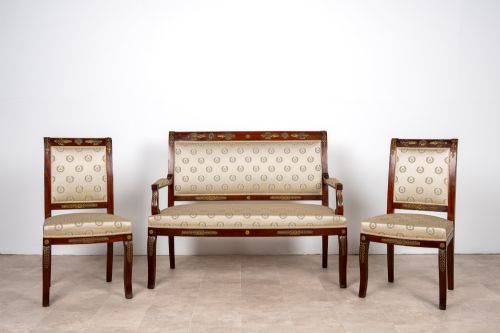
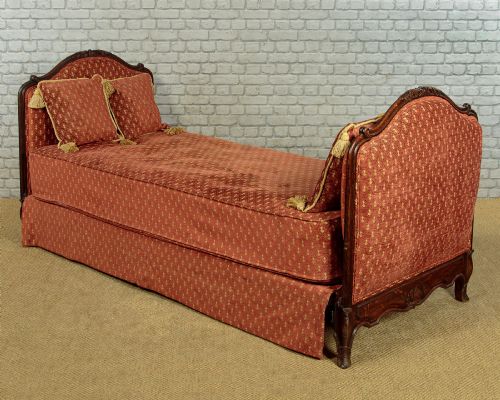
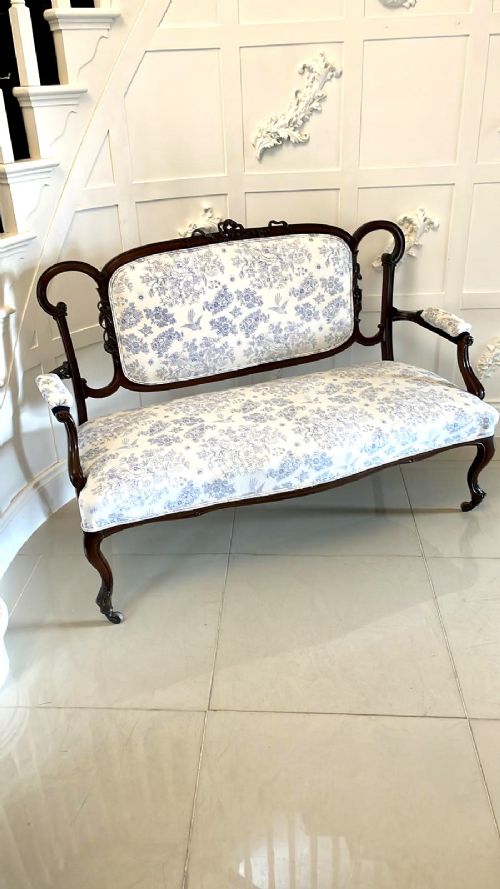
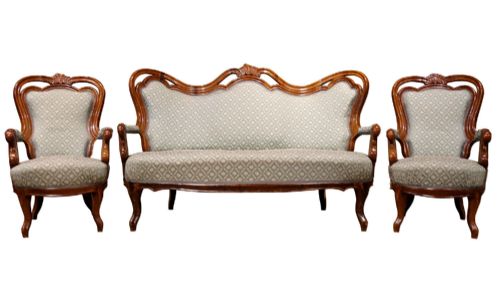
A french revival sofa gathers the exuberant forms of Rococo, Louis XV, Louis XVI, and Empire styles into nineteenth and early twentieth century seating. These pieces range from compact two-seater settees and daybeds to larger salon sofas and complete suites.
The versions met most often on this page date from the nineteenth century into the early twentieth century, spanning Victorian interpretations and continental revivals. They utilise diverse seating configurations including double end settees, caned frames, and open arm designs.
Makers and manufacturers during these periods adopted historical French design vocabularies for British and continental drawing rooms. The resulting pieces combine traditional proportions with the woods and upholstery techniques popular in their actual era of manufacture.
Materials and Construction
Frames rely primarily on walnut and mahogany, alongside rosewood, amboyna, and giltwood. Carvers shaped these timbers into elaborate scrollwork, cabriole legs, and neoclassical motifs.
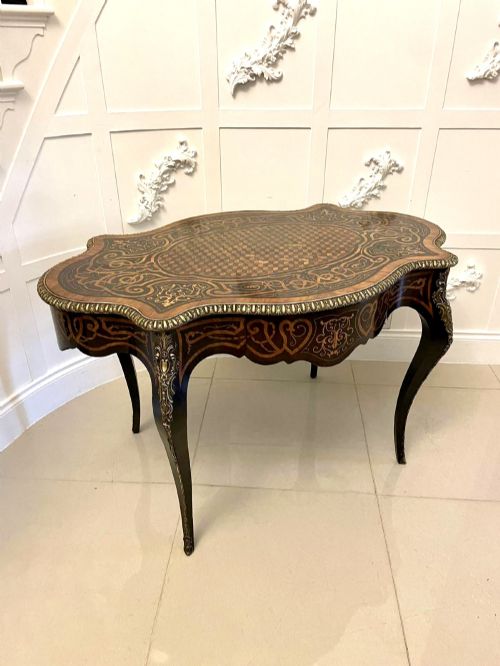
Metal mounts in brass and ormolu accent specific Empire and neoclassical pieces, while surfaces often incorporate marquetry, parquetry, or gold paint. Upholstery fabrics complete the structure, ranging from traditional textiles to canework.
French Revival Sofa Retail Price Guide 2026
Typical asking prices for french revival sofa among the pieces listed under this phrase on Sellingantiques today, from the lower quarter to the upper quarter. They describe what is for sale here now, not the wider market.
Materials recorded span walnut, mahogany, amboyna, giltwood, and ormolu alongside traditional upholstery fabrics.
Evaluating Craftsmanship
The distinction between tiers rests upon the crispness of the timber carving and the sophistication of the underlying frame construction. Superior examples display deeply chiselled ornamentation and robust joinery that sustains the sweeping lines of the style.
Material selection also dictates distinction, separating standard utility pieces from examples employing finely figured walnut, intricate marquetry, or gilt bronze mounts.
Holland + Son·Edward And Roberts
The French Revival Sofa Glossary
- Ormolu
- Gilded bronze mounts applied to furniture frames for decorative contrast. This technique was favoured in Empire and neoclassical revival pieces.
- Canework
- Woven rattan or cane panels utilised for backrests and seats. It provides a lighter texture compared to fully upholstered cushions.
- Marquetry
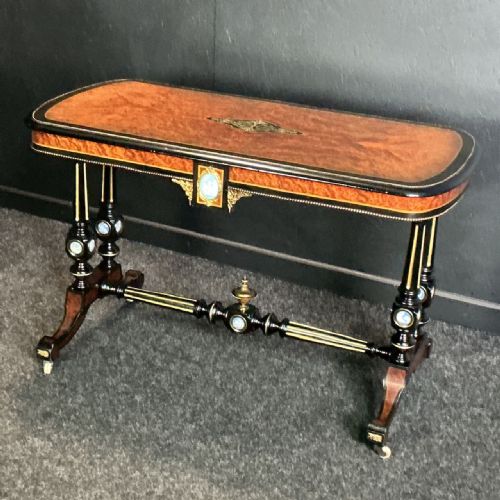
- Inlays of patterned wood veneers forming pictorial or geometric designs on timber surfaces. It frequently decorates table tops and cabinet work associated with salon suites.
- Cabriole leg
- A furniture leg that curves outward and then tapers inward with a pad foot. This profile defines many Rococo and Louis XV revival pieces.
- Double end settee
- A sofa featuring symmetrical raised scrolled ends rather than a conventional back and single arm arrangement. It allows reclining from either direction.
French Revival Sofa: Frequently Asked Questions
What defines a french revival sofa?
These sofas appropriate historical design idioms from French royal courts, specifically drawing on Rococo, Louis XV, Louis XVI, and Empire aesthetics. They emerged during the nineteenth and early twentieth centuries as popular seating for formal rooms.
Craftsmen adapted these continental silhouettes using native and exotic woods like walnut and mahogany, pairing carved frames with traditional upholstery.
How do I identify the revival period?
Dating relies on timber characteristics, construction methods, and stylistic cues present in the carved ornament. Mid-nineteenth century pieces often display heavy Victorian interpretations of Rococo curves, while later examples incorporate specific neoclassical or Empire details.
Examining the underside and frame joinery provides further context regarding the manufacturing era.
Where were these sofas used originally?
They served as principal seating within formal drawing rooms, parlours, and domestic salons. Large salon suites and settees were designed to accommodate guests during social gatherings.
Smaller daybeds and double end settees typically furnished retiring rooms or bedrooms.
How do I care for antique upholstery?
Preserving fabric and canework requires protection from direct sunlight to prevent fading and fibre degradation. Regular gentle vacuuming with a soft brush attachment removes dust without stressing delicate textiles.
Wooden frames benefit from occasional dusting with a dry cloth, avoiding harsh chemical polishes.