



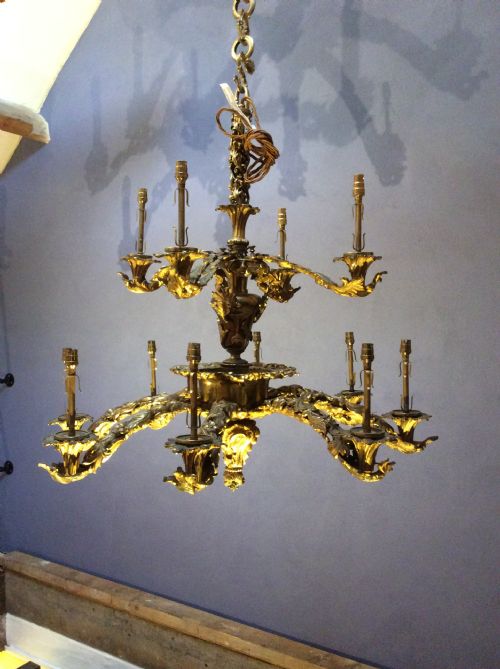
French Revival Light Fixture
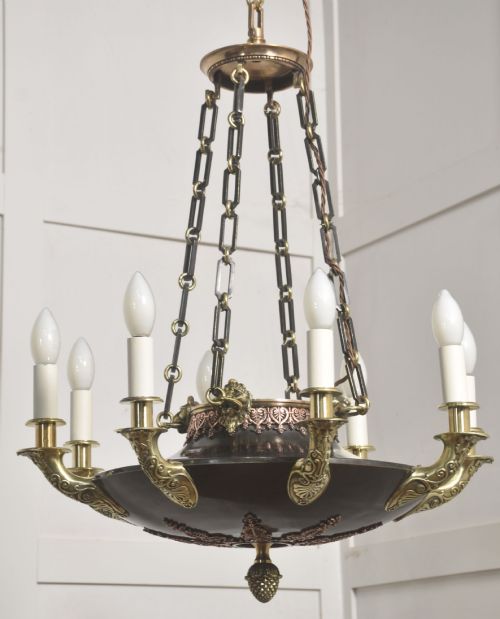
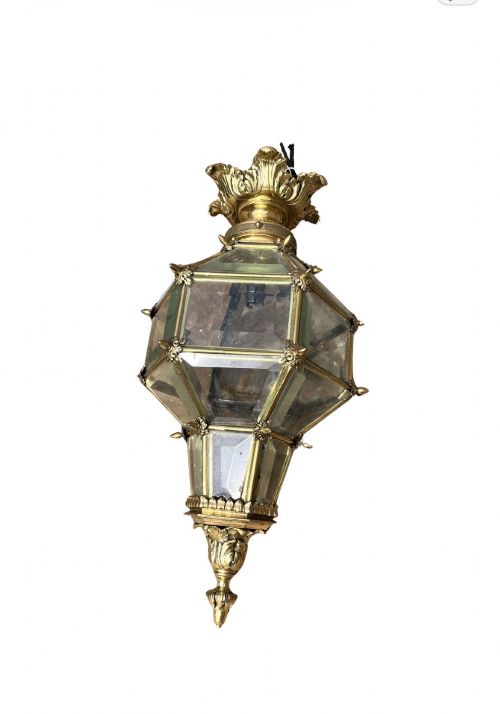
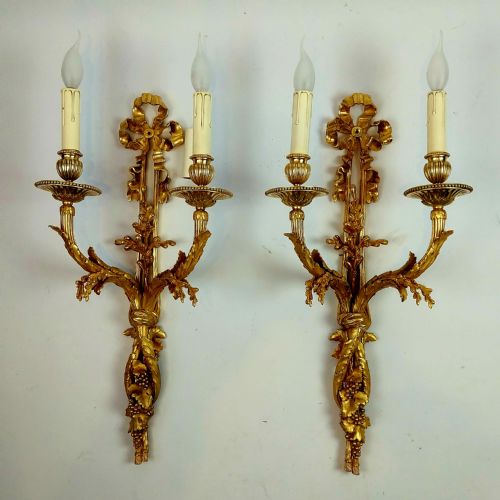
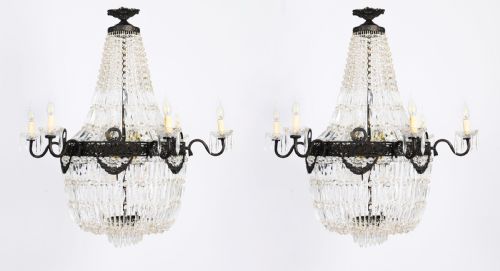
These french revival light fixture examples bring heavy cast brass, cut crystal and gilded bronze into a room with genuine presence.
French Revival Light Fixture
A french revival light fixture encompasses chandeliers, wall sconces, ceiling lights and table lamps spanning the nineteenth century through the nineteen-twenties. Buyers searching this phrase encounter ornate fittings drawn from Louis styles, Gothic Revival and Rococo aesthetics.
The selections on this page rely heavily on multi-armed chandeliers and paired wall sconces designed for domestic interiors. Brass, gilt bronze and ormolu dominate the forms, frequently paired with cut glass or porcelain components.
Origins stretch across Victorian, Edwardian and early twentieth-century production periods, often channelling earlier French chateau motifs. The heavier multi-light chandeliers and elaborate wall lights remain the most frequently encountered formats.
How they were made
Construction relies on cast metals such as brass, bronze and ormolu, shaped into arms, frames and decorative mounts. These structural elements receive hand-finishing, gilding or patination to achieve depth of surface.
Glass is integrated through cut crystal pendants, tent formations and plafonnier bowls that refract illumination from multiple internal branches. Porcelain sections appear alongside metalwork in specific lamp bases and decorative bodies, fused with bronze mounts.
French Revival Light Fixture Retail Price Guide 2026
Typical asking prices for french revival light fixture among the pieces listed under this phrase on Sellingantiques today, from the lower quarter to the upper quarter. They describe what is for sale here now, not the wider market.
Ballroom chandeliers carry enough crystal strands to double as an indoor rainstorm when the wind rattles the windows.
What varies in quality
Quality separates in the crispness of the metal casting and the depth of the gilding applied to bronze and brass frames. Finer pieces display sharply chiselled scrollwork and naturalistic foliage rather than softened, mass-produced contours.
The integrity of the glass elements, from hand-cut crystal drops to heavy moulded plafonnier bowls, dictates the upper tier of the range. Original matching components across multi-arm chandeliers and wall sconces elevate the execution significantly.
The French Revival Light Fixture Glossary
- Ormolu
- Gilded bronze, where a gold amalgam is applied to a bronze base through a heat process. This creates a durable, warm metallic finish common on finer nineteenth-century mountings.
- Plaffonier
- A ceiling-mounted bowl light, typically pressed or cut glass held in a metal frame. It sits flush or close to the ceiling surface.
- Sconce
- A wall-mounted lighting fixture designed to hold candles or electric bulbs on projecting arms. Pairs are standard for balanced interior placement.
- Tent Chandelier
- A chandelier style featuring strings of crystal beads rising from the lower ring to a crown above. This creates a tent-like profile of glass drops.
French Revival Light Fixture: Frequently Asked Questions
How do I clean gilt bronze?
Dust gently with a soft dry brush to preserve the surface layers.
Avoid chemical polishes that strip away historical gilding or original patination entirely.
Are these wired for modern use?
Most antique lighting requires rewiring by a qualified professional to meet current safety standards.
Original brass and bronze sockets can often be adapted while keeping external components intact.
How do I date a fixture?
Examine the casting method, screw threads and wiring channels alongside stylistic clues from Victorian or Edwardian periods.
Heavier bronze castings and hand-cut crystal typically point towards nineteenth-century production.
Can I hang a large chandelier safely?
Heavy multi-arm fittings require ceiling joist reinforcement or specialist load-bearing hooks.
Consult an installer to handle the combined weight of cast metal and cut crystal.