




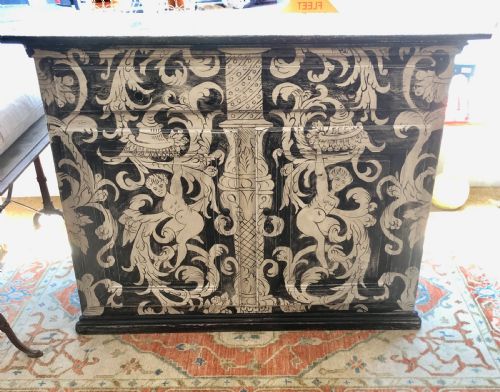
French Renaissance Cabinet
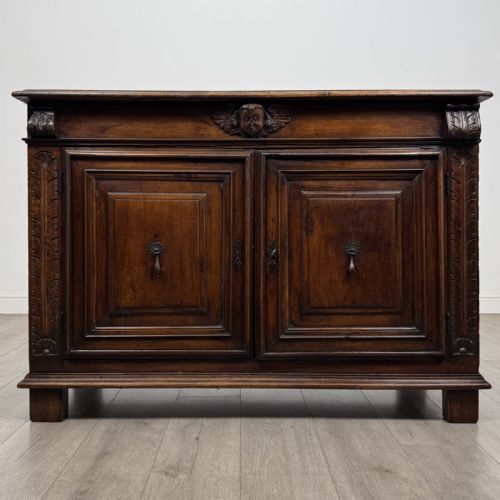
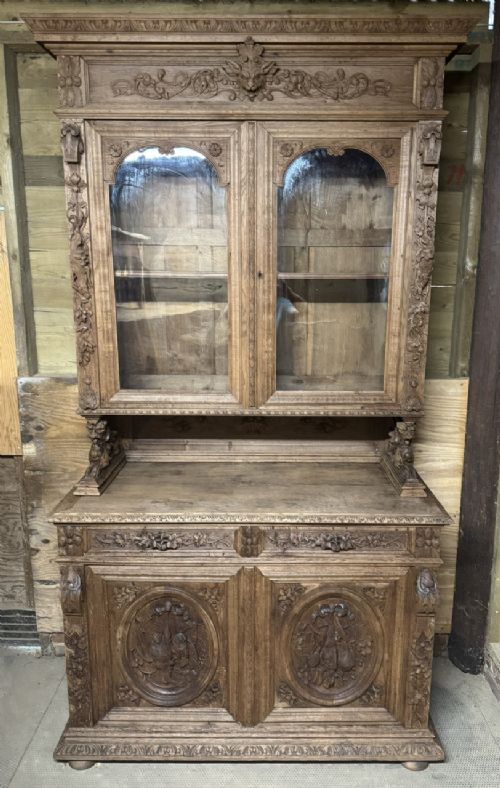
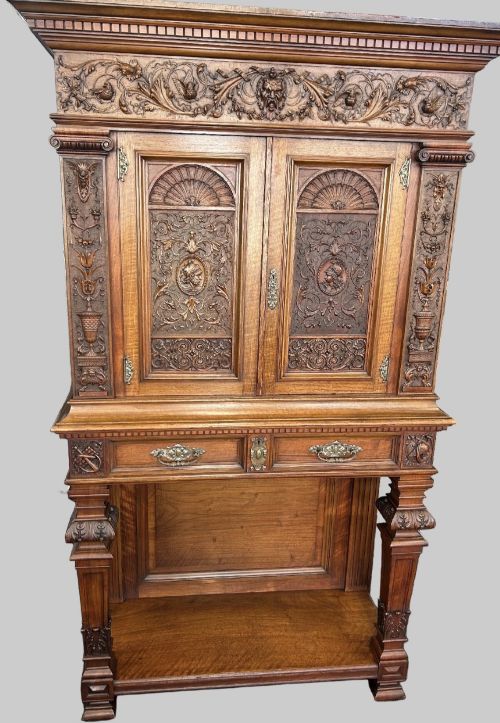
A french renaissance cabinet brings deep carved oak and walnut into a room, offering heavy architectural presence and grand storage.
French Renaissance Cabinet
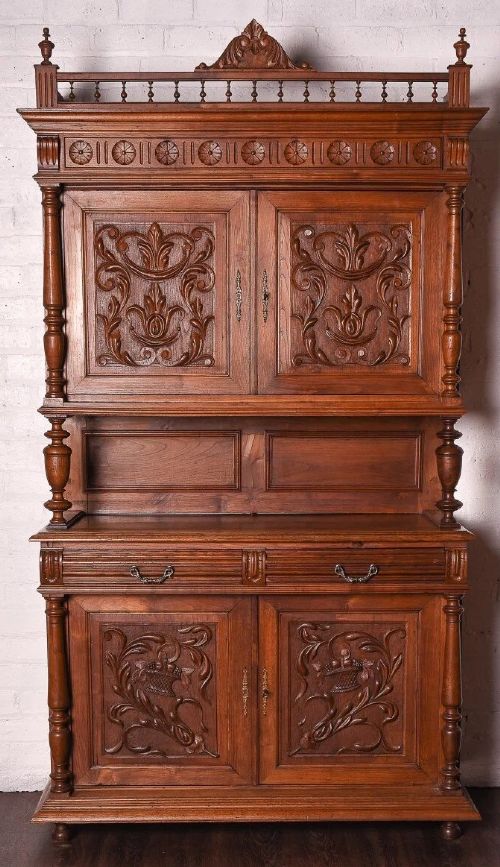
A french renaissance cabinet draws on the decorative grammar of sixteenth-century France, though the pieces available date largely from the nineteenth century and the Victorian era. Buyers searching for a french renaissance cabinet encounter sideboards, buffets, dressers, and bedside cupboards made from solid timbers.
The prevailing style relies on Renaissance Revival, Louis XIII Revival, and French Henri II influences, alongside provincial interpretations. These heavy items function as statement storage pieces in dining rooms, halls, and studies.
Materials and construction
Makers built these pieces primarily using oak and walnut, often selecting dense boards capable of holding deep relief carving. Hardware incorporates brass, iron, and steel hinges and locks.
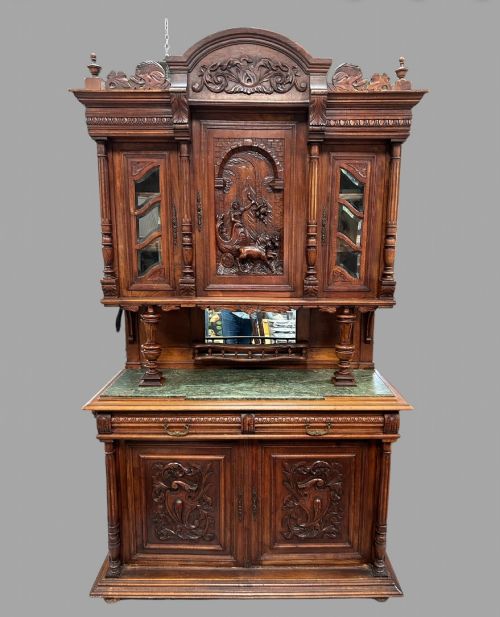
Selected examples incorporate marble tops, glass panels, and hand-painted surface details such as grotesque ornamentation. Construction relies on traditional joinery methods suited to large sideboards and tall buffets.
French Renaissance Cabinet Retail Price Guide 2026
Typical asking prices for french renaissance cabinet among the pieces listed under this phrase on Sellingantiques today, from the lower quarter to the upper quarter. They describe what is for sale here now, not the wider market.
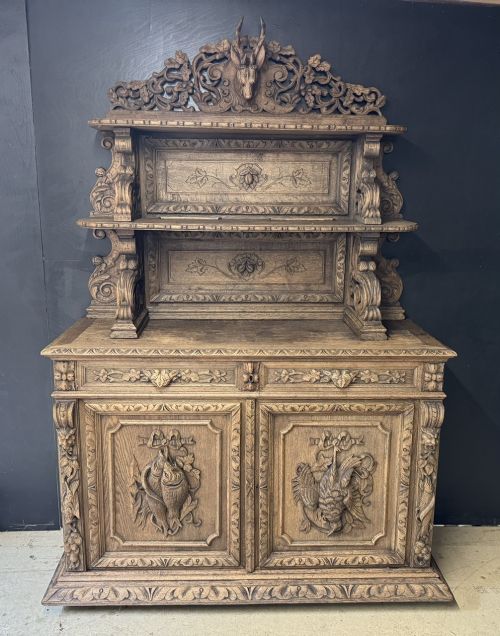
Several game cabinets feature carved hares and pheasants looking out from the wood, ready to guard your dinner service.
Judging quality
Quality rests in the crispness and depth of the timber carving, where human figures, foliage, and game motifs show distinct hand-tool work rather than soft moulding. The choice between plain walnut and heavily figured oak changes the visual weight of the piece.
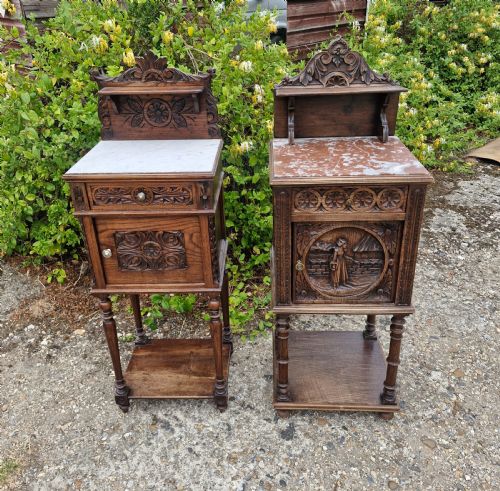
Proportion and architectural balance dictate the success of the cabinet, particularly on large buffets and sideboards. Integrated materials like inset marble slabs or decorative metalwork elevate the execution.
Melissa White
The French Renaissance Cabinet Glossary
- Buffet de Corps
- A large two-part cupboard or sideboard used for storing and displaying dining ware.
- Renaissance Revival
- A nineteenth-century design movement that revived sixteenth-century architectural forms and ornamental motifs.
- Pot Cupboard
- A small bedside cabinet originally designed to house a chamber pot.
- Grotesque
- A style of decorative painting or sculpture consisting of fanciful human and animal forms intertwined with foliage.
French Renaissance Cabinet: Frequently Asked Questions
What rooms suit a french renaissance cabinet?
These large storage pieces suit dining rooms, grand hallways, and spacious studies where their heavy architectural presence and dark timbers balance high ceilings.
They provide substantial surface and interior capacity, making them practical for storing tableware, linens, or books while anchoring the room's decorative scheme.
How do I identify a revival piece?
Nineteenth-century revival pieces display mechanical saw marks on concealed interior boards and use nineteenth-century hardware alongside sixteenth-century decorative motifs.
The timber drying methods and construction joints separate these later interpretations from genuine sixteenth-century work, even when the carved panels mimic earlier styles closely.
Are bedside cabinets common in this style?
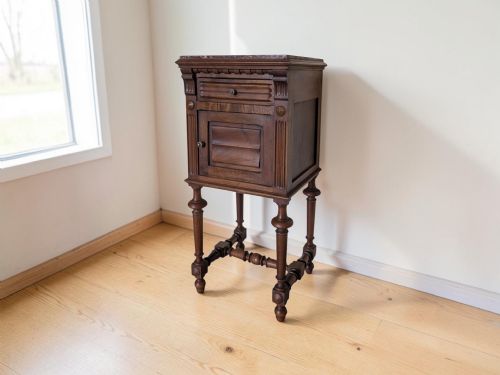
Small bedside cabinets and pot cupboards appear alongside massive sideboards and tall buffets, offering the same carved panels on a domestic scale.
These smaller pieces allow bedrooms to incorporate the heavy walnut or oak aesthetic without requiring the floor space of a full dining room sideboard.
What maintenance do these cabinets require?
Solid oak and walnut benefit from occasional application of traditional beeswax to nourish the timber and maintain a soft sheen on the carved surfaces.
Keeping the wood away from direct heat sources prevents the dense panels and joints from splitting as indoor temperatures fluctuate.