




French Regency Wall Mirror
A french regency wall mirror brings commanding scale and luminous reflection to a room, drawing the eye with classic architectural detail.
French Regency Wall Mirror
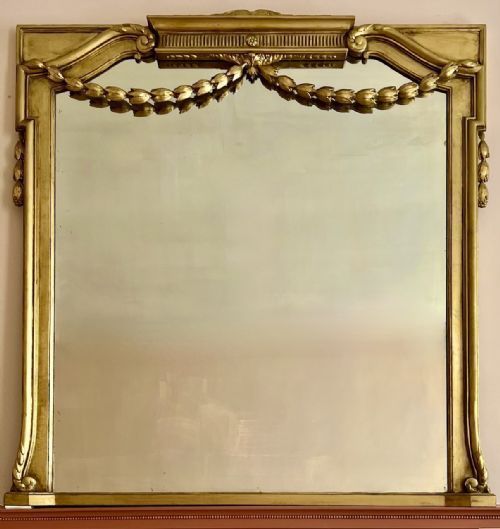
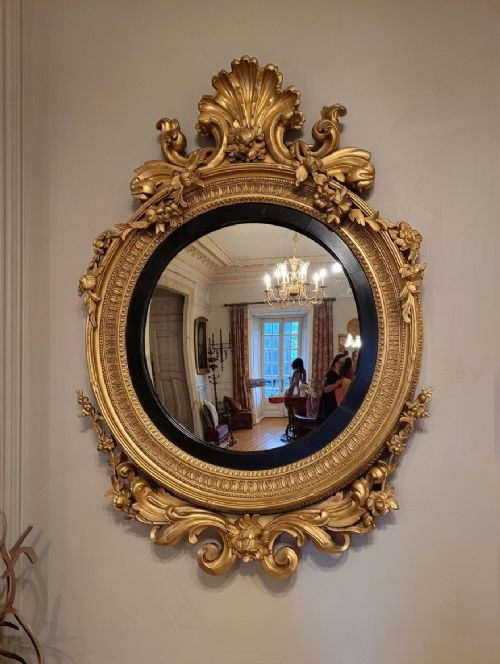
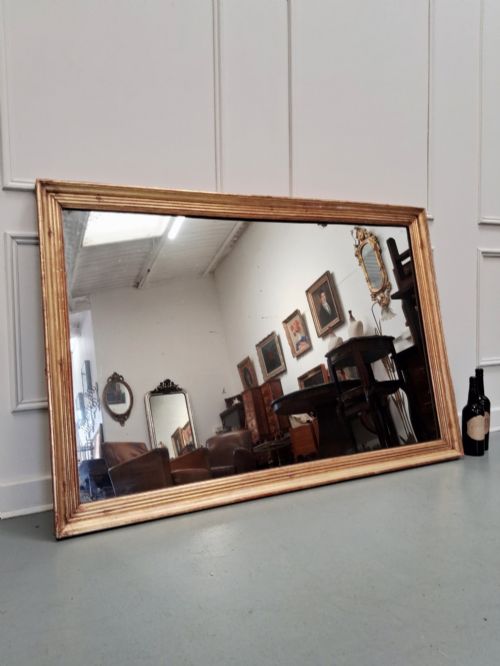
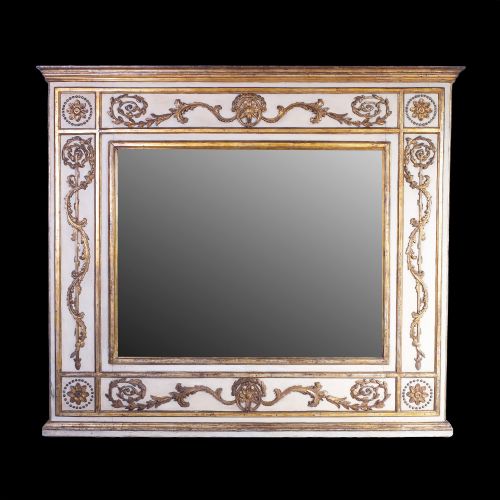
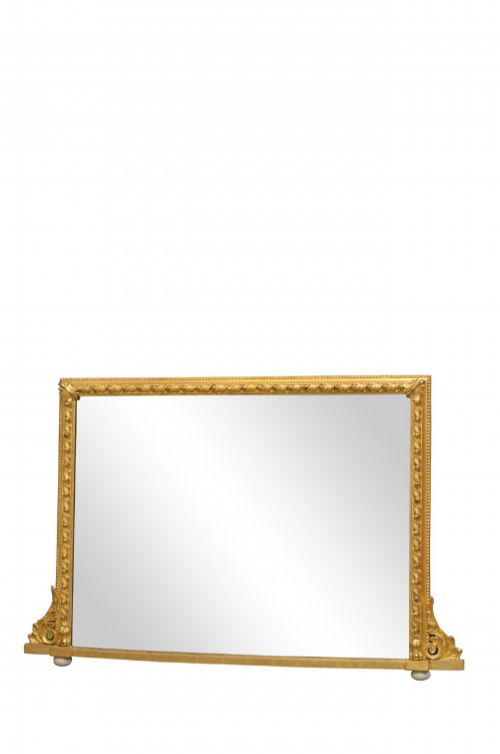
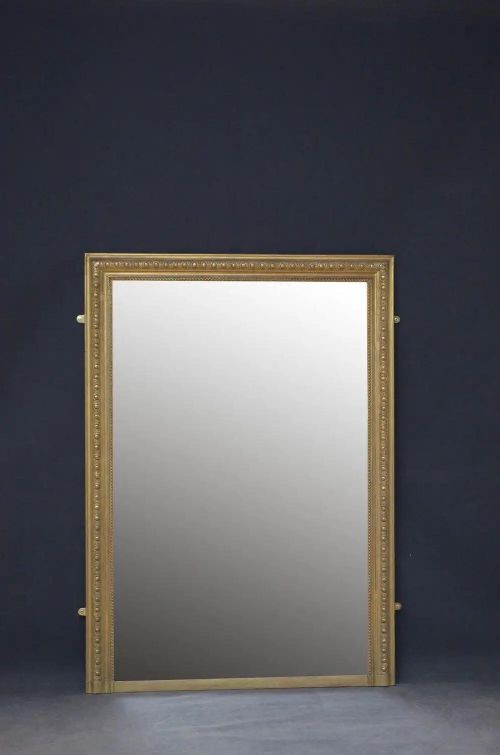
A french regency wall mirror combines classical proportion with ornate surface detail, serving as both a functional glass and a major decorative focus. Buyers searching for a french regency wall mirror encounter substantial overmantels, pier glasses, and tall leaner formats designed to amplify light in principal rooms.
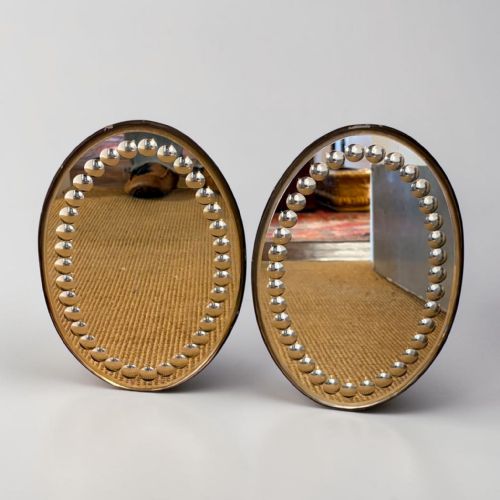
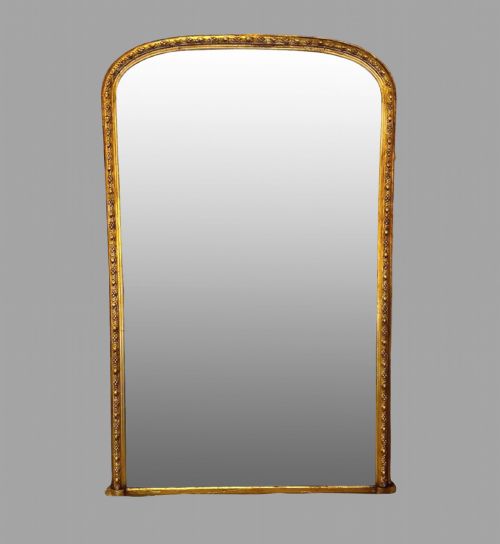
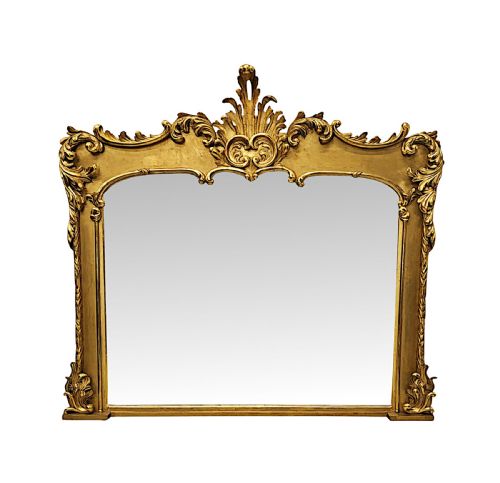
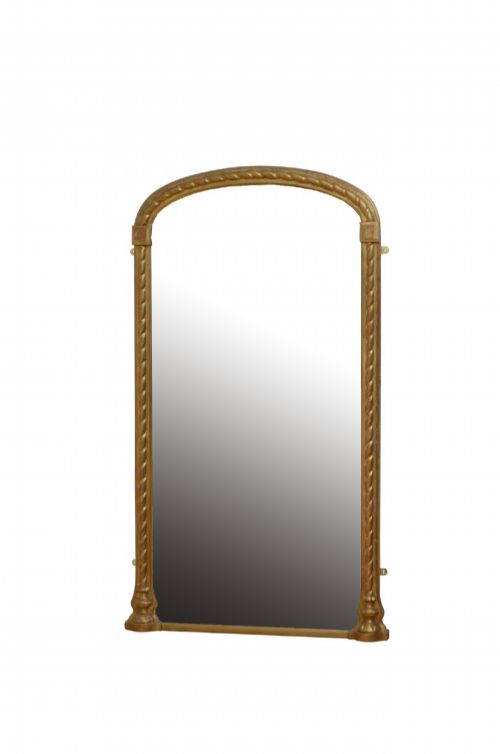
The pieces appearing in this category span the nineteenth century alongside formal Regency and Empire revivals. Surviving examples encompass grand architectural frames, arched top designs, and oval or quatrefoil formats suited to period interiors.
How they were made
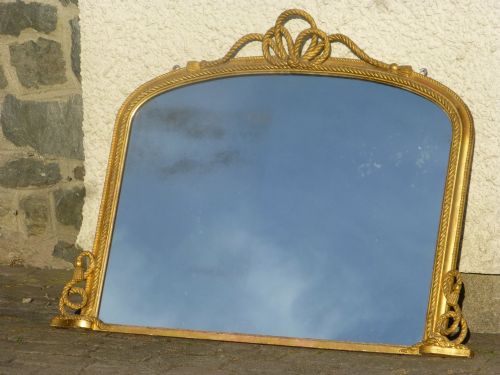
Carved wood and gesso form the structural foundation of these frames, providing the crisp relief needed for elaborate rope twists, classical columns, and moulded ornamentation. Gold leaf and gilding are then applied over the prepared surfaces to achieve a brilliant reflective finish.
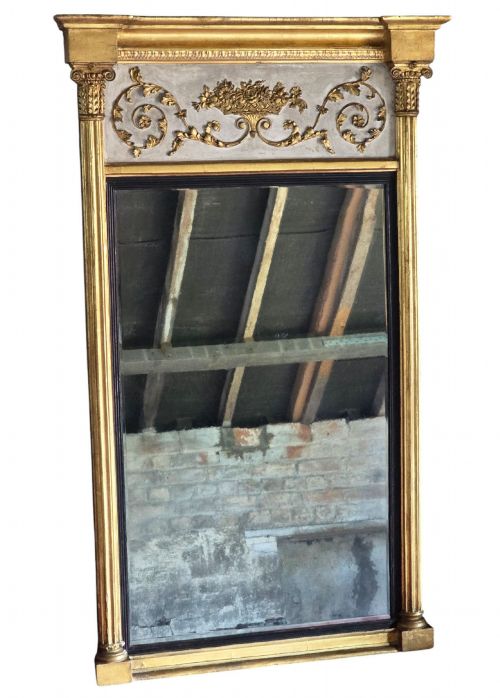
Secondary materials include brass accents, ebonised detailing, and painted panels integrated into trumeau configurations. Mirror glass is set within these heavy frames, occasionally retaining original foxing or silvering accumulated over generations.
What varies in quality
The depth and crispness of the carved ornamentation separate standard production from exceptional examples, as skilled hands achieve sharper relief in gesso and wood. The retention of original gilt surfaces and primary mirror plates also dictates the scholarly and visual standing of a piece.
Proportion and scale govern the architectural presence of the frame, where balanced proportions and deliberate architectural motifs distinguish superior design. Minor variations in surface wear reflect authentic age rather than structural compromise.
The French Regency Wall Mirror Glossary
- Giltwood
- Wood that has been coated with gold leaf or metallic powder. This finish creates a luminous metallic sheen characteristic of formal period frames.
- Gesso
- A plaster-like mixture applied to wood frames and carved before gilding. It provides a smooth, workable ground for intricate moulded decoration.
- Overmantel mirror
- A large horizontal mirror designed to hang above a fireplace mantel. These pieces frequently feature architectural framing to anchor the hearth.
- Pier mirror
- A tall vertical mirror built to hang on the narrow wall space between windows. They maximise natural light reflection in high-ceilinged rooms.
- Trumeau mirror
- A decorative wall mirror incorporating a painted panel or artwork above the glass. Originating in French interior design, they combine paneling with reflection.
French Regency Wall Mirror: Frequently Asked Questions
Where should I hang a large overmantel mirror?
These large mirrors traditionally sit directly above a fireplace mantel to anchor the chimney breast and reflect room light.
Alternatively, secure them firmly to a principal wall in a hallway or reception room to create a strong focal point.
How do I identify a genuine nineteenth-century mirror?
Examine the construction of the wooden frame behind the gesso and inspect the mirror plate for signs of age such as oxidation or handmade irregularities.
Period pieces display hand-carved detailing and traditional joinery methods distinct from modern reproductions.
What is the difference between pier and overmantel mirrors?
Pier mirrors are tall and narrow, proportioned specifically to fit the wall space between two windows.
Overmantel mirrors are wider in format, designed to span the horizontal expanse of a fireplace surround.
How do I care for antique giltwood frames?
Dust the carved surfaces gently with a soft, dry brush to prevent the accumulation of grit in the recesses of the gesso.
Avoid liquid cleaners and moisture, which can damage fragile historical gilding and underlying wood.