






French Provincial Wall Cupboard
A french provincial wall cupboard brings genuine rustic charm and practical storage to any room.
French Provincial Wall Cupboard
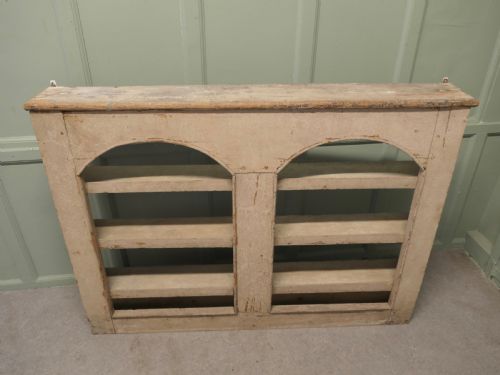
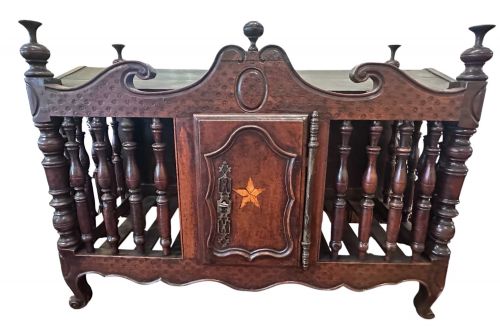
When you search for a french provincial wall cupboard, you enter a diverse category spanning several centuries of rural craftsmanship. These pieces include wall cabinets, corner cupboards, and bread cages known as panetieres.
The selections on this page reach from the seventeenth century through to the early twentieth century. You will frequently encounter forms constructed from native timbers intended for everyday domestic use in regional French homes.
Regional variations shape these objects significantly, moving from simple pine alcove units to richly carved walnut panetieres. Each type reflects the specific storage needs of the provincial household that originally commissioned it.
Materials and construction
Makers relied upon locally available hardwoods and softwoods, predominantly oak, walnut, chestnut, fruitwood, and pine. Structural elements often incorporate iron hardware and brass details.
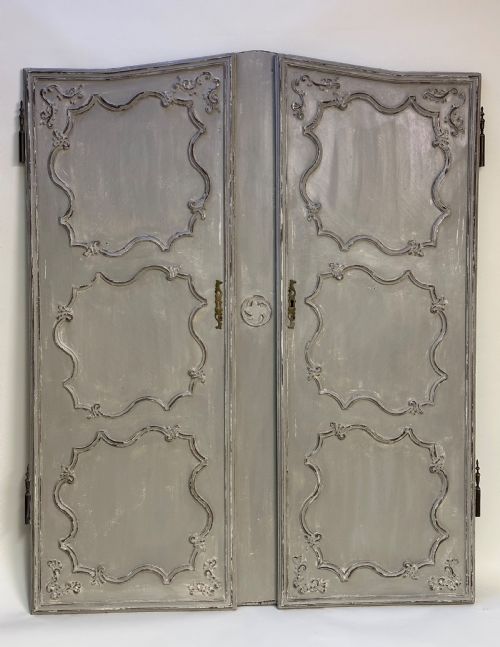
Surface finishes range from natural bleached oak to distemper paint and traditional hand carvings. Turned finials and shaped shelves frequently appear on finer examples from the eighteenth century.
Listings span periods from the seventeenth century to 1920, utilising oak, walnut, chestnut, pine, and distemper paint.
Assessing quality
The distinction between standard storage and superior craftsmanship lies in the depth of hand carving and the selection of timber. Dense walnut and figured chestnut generally denote a higher standard than simple pine.
Original hardware, such as pewter cisterns and brass fixtures, elevates a piece considerably. Surviving early surface treatments like distemper paint add substantial character compared to stripped alternatives.
The French Provincial Wall Cupboard Glossary
- Panetiere
- A traditional French ventilated bread cage or cabinet designed to keep loaves safe from rodents. These pieces often feature turned spindles and carved walnut panels.
- Distemper paint
- A traditional water-based paint mixture utilising pigment and binder. This historic finish provides a matte appearance that ages distinctively over time.
- Lavabo cabinet
- A specialised washing unit comprising a water cistern and basin paired with a cabinet. Pewter components frequently accompany these provincial items.
- Alcove shelving
- Fitted storage designed to integrate directly into architectural recesses. These units maximise rural room layouts efficiently.
French Provincial Wall Cupboard: Frequently Asked Questions
How old are these cupboards?
The pieces available span from the seventeenth century through to the early twentieth century. Eighteenth-century examples frequently feature hand-carved walnut or chestnut construction.
Later nineteenth-century and turn-of-the-century items often utilise pine or incorporate painted finishes reflecting changing regional tastes.
Where were they originally used?
These cupboards originated in rural French homes, manoirs, and provincial farmhouses. They provided essential storage for daily provisions and household goods.
Corner cupboards and wall-mounted units were specifically designed to utilise limited space efficiently in traditional domestic interiors.
What woods were used?
Makers utilised local timber species available in their specific French regions. Oak and walnut appear frequently in eighteenth-century and earlier pieces.
Chestnut, fruitwood, and pine also feature prominently across various periods, particularly in utilitarian alcove cupboards and painted doors.