


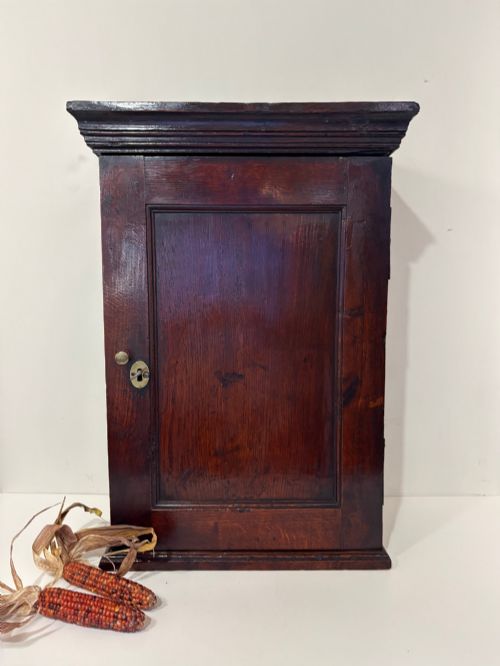
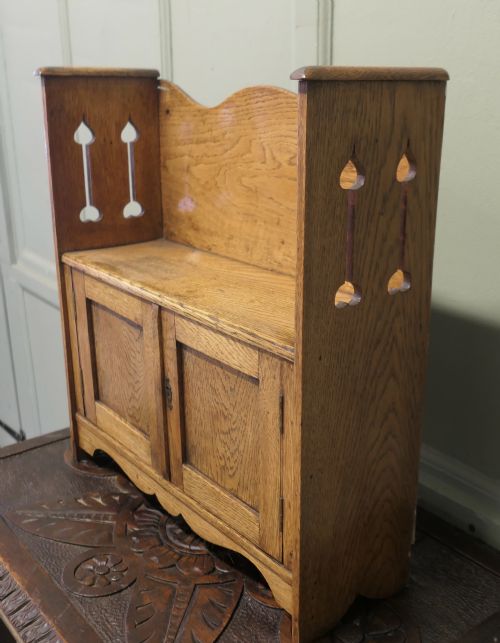
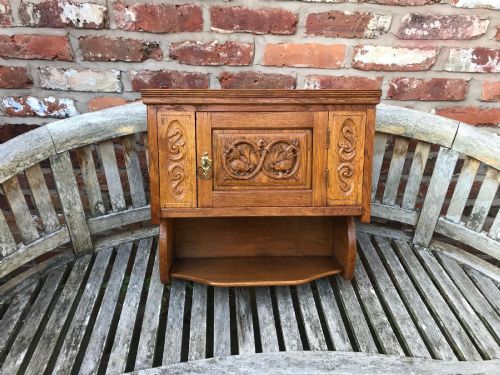


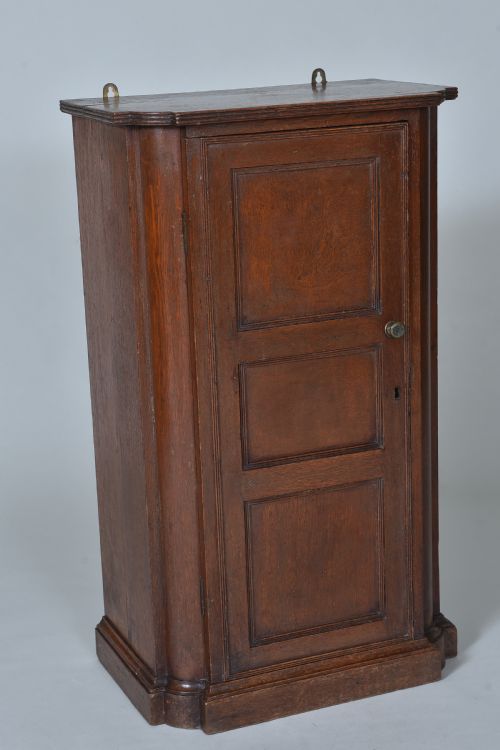

Hanging Oak Medicine Cabinet
These hanging oak medicine cabinet pieces are sturdy wall storage with centuries of practical domestic use behind them.
Hanging Oak Medicine Cabinet
A hanging oak medicine cabinet provides compact wall storage using traditional timber construction suited for domestic organisation.
You will most commonly encounter pieces originating from the eighteenth and nineteenth centuries, spanning Georgian and Victorian periods.
The selections on this page include wall cabinets, spice cupboards, food cupboards, and corner cupboards fashioned from solid oak.
Materials and construction
Carpenters utilised durable oak timber as the primary structural material, often enhanced with brass or iron hardware for hinges and latches.
Surface details frequently incorporate carved decoration, while some examples feature glass panels or ebonised wood elements.
Current listings demonstrate periods spanning the eighteenth and nineteenth centuries, including Georgian and Victorian eras.
Assessing quality
Quality rests in the precision of the joinery and the depth of carving visible across the oak surface.
Earlier eighteenth-century examples often demonstrate distinct regional vernacular traits compared to later Victorian production.
The Hanging Oak Medicine Cabinet Glossary
- Vernacular
- Everyday objects made by regional craftsmen for local use rather than high-style metropolitan workshops. These pieces often display unique local building traditions.
- Ebonised
- Wood finished with a dark stain or pigment to imitate ebony. This treatment creates a striking contrast against standard oak surfaces.
- Spice cupboard
- A small wall-hung cabinet traditionally used for storing culinary herbs and spices. They are frequently fitted with multiple interior small drawers.
- Aesthetic Movement
- A late nineteenth-century design style emphasising visual beauty over narrative subject matter. Cabinets from this period focus on form and decorative surface quality.
Hanging Oak Medicine Cabinet: Frequently Asked Questions
What were these cabinets used for?
These wall-mounted cupboards served multiple domestic storage needs, from housing precious spices to keeping provisions secure and dry.
Over generations, their compact hanging format made them adaptable for different rooms around the house.
How do I hang an antique wall cabinet safely?
Solid oak cabinets carry substantial weight due to the dense timber construction used in their frames.
Secure fixings matched to the specific wall type are essential to support the piece safely.
How can I tell an eighteenth-century piece apart?
Earlier eighteenth-century examples display hand-cut joinery and simpler regional construction methods without industrial standardisation.
Surface patination on the oak naturally deepens over centuries of handling and polishing.
Do these cabinets suit modern bathrooms?
The compact proportions and enclosed shelving make them practical for storing everyday toiletries out of sight.
Care should be taken with placement to avoid excessive moisture affecting the antique timber.