







French Provincial Ottoman
These french provincial ottoman pieces bring regional French character into a room, offering low seating and footrest forms shaped by traditional craftsmanship.
French Provincial Ottoman
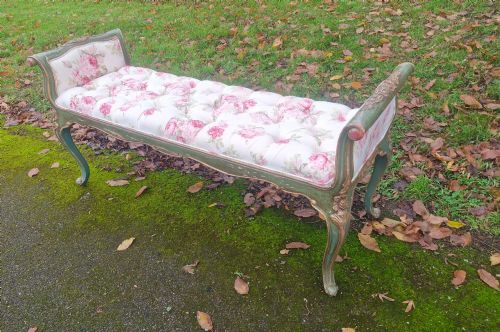
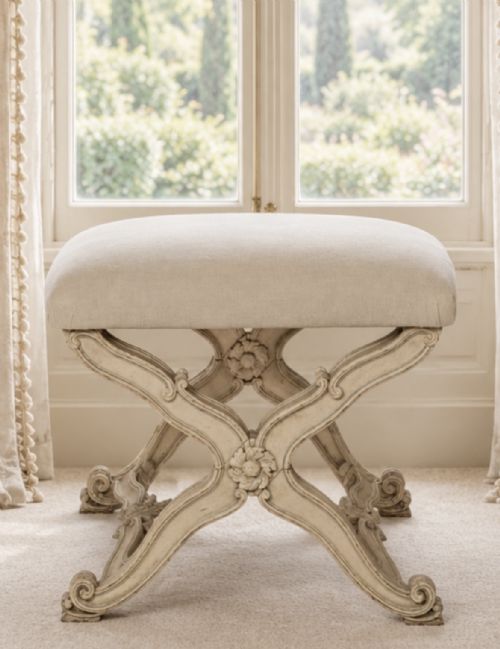
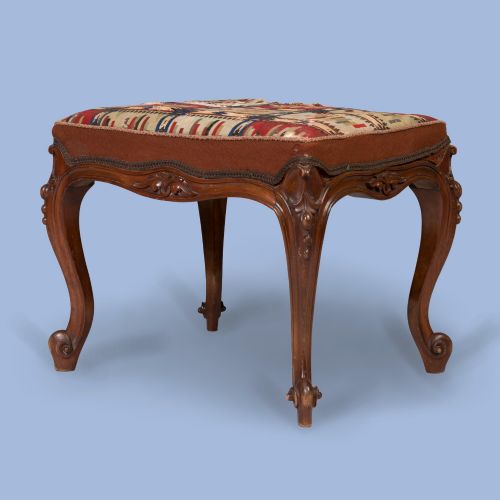
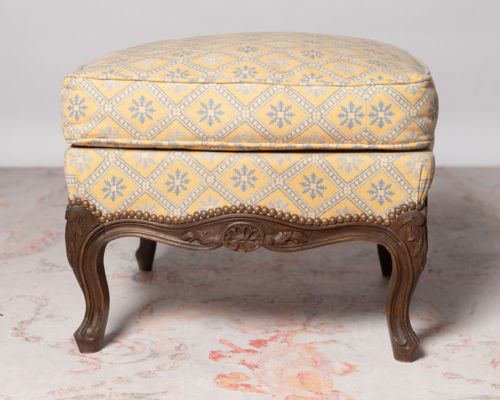
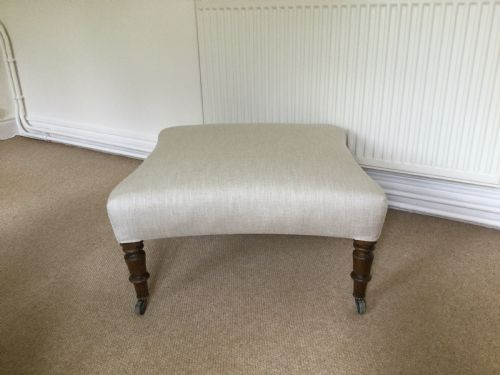
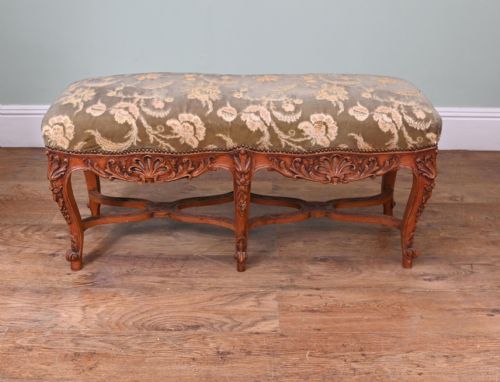
When you search for french provincial ottoman items, you encounter a selection of antique footstools, low benches, and window seats originating from European workshops. These forms range from simple country stools to decorative Louis XV style seating.
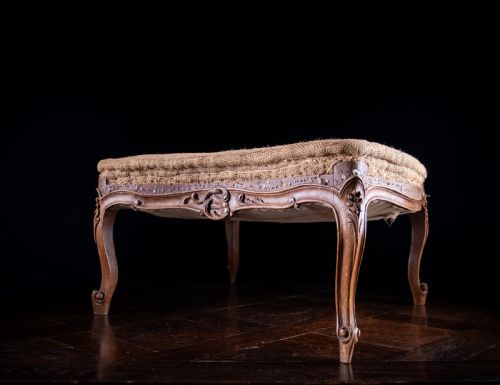
The pieces appearing on this page span the nineteenth century into the early twentieth century, taking the shape of carved footstools, painted stools, and blanket boxes. Beech and walnut appear frequently as the primary structural timbers for these items.
Buyers often select these low forms to add understated seating or functional footrests to a living space. The variety runs from carved wooden frames ready for upholstery to fully upholstered antique pieces.
Materials and construction methods
Carpenters built these frames using solid hardwoods like walnut, beech, cherrywood, and oak, often shaping the timber with hand carving tools. Joinery relied on traditional pegged or tenoned joints to ensure lasting stability.
Surface treatments included applied paint, gilding, and polished wood finishes that highlighted the natural grain. Upholstered variants utilised fabric, velvet, and linen over supportive interior padding.
French Provincial Ottoman Retail Price Guide 2026
Typical asking prices for french provincial ottoman among the pieces listed under this phrase on Sellingantiques today, from the lower quarter to the upper quarter. They describe what is for sale here now, not the wider market.
Many a tired foot has rested on these humble timbers after a long day in a nineteenth-century French chateau.
Distinguishing quality in these furnishings
Depth and precision of the hand carving separate simpler country pieces from more ornate workshop productions. Crisp floral motifs and fluid lines indicate a higher level of artisan skill.
The choice of primary wood and the integrity of the original frame construction determine the durability of the piece. Untouched antique frames with sound structural timber hold greater appeal than heavily altered examples.
The French Provincial Ottoman Glossary
- Louis XV Style
- A design classification characterised by asymmetrical curves, cabriole legs, and organic scrollwork originating in eighteenth-century France. This aesthetic inspired numerous nineteenth-century revivals.
- Footstool
- A low upholstered or wooden seat designed to support the feet while sitting. These functional items often mirror the stylistic details of larger salon chairs.
- Window Seat
- A long narrow bench designed to fit within a window recess. These forms often feature carved wooden frames and cushioned tops.
- Blanket Box
- A large wooden chest utilised for storing linens and blankets. They frequently feature hinged lids and carved panels reflecting regional rural woodworking traditions.
- Carving
- The technique of cutting and shaping wood into decorative patterns or figurative motifs. Skilled artisans executed these designs by hand using gouges and chisels.
French Provincial Ottoman: Frequently Asked Questions
How do I use a french provincial ottoman?
These low stools and benches function well as impromptu seating in a living room or at the foot of a bed. They also serve as comfortable footrests beside armchairs.
Their compact size allows them to tuck easily beneath tables or beside a fireplace when not in active use.
What materials are used in these pieces?
Structural frames consist primarily of hardwoods such as walnut, beech, cherrywood, and oak. Decorative elements sometimes incorporate brass fittings or gilded surfaces.
Upholstered variants feature textile coverings including velvet, linen, and traditional woven fabrics over padding.
How do I care for antique wood and fabric?
Protect wooden surfaces by keeping them away from direct heat sources and applying natural beeswax polish occasionally. Avoid chemical sprays that can strip historic finishes.
Vacuum upholstered sections gently with a soft brush attachment to remove dust without damaging fragile antique textiles.
How do I tell different periods apart?
Nineteenth-century examples often display deep hand carving and heavier timber construction influenced by Rococo Revival tastes. Pieces from the early twentieth century frequently show simpler lines or painted finishes.
Examining the tool marks on the underside of the wood helps reveal whether a piece was shaped by hand or machine.