

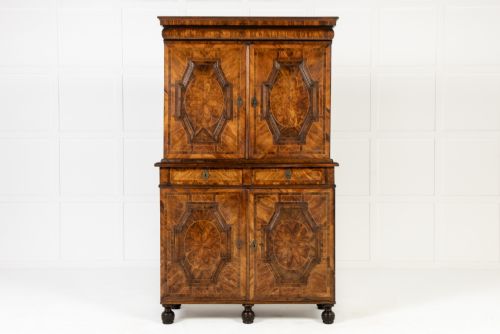


French Provincial Linen Cupboard
A french provincial linen cupboard brings rustic utility and centuries of regional cabinet-making into a modern room.
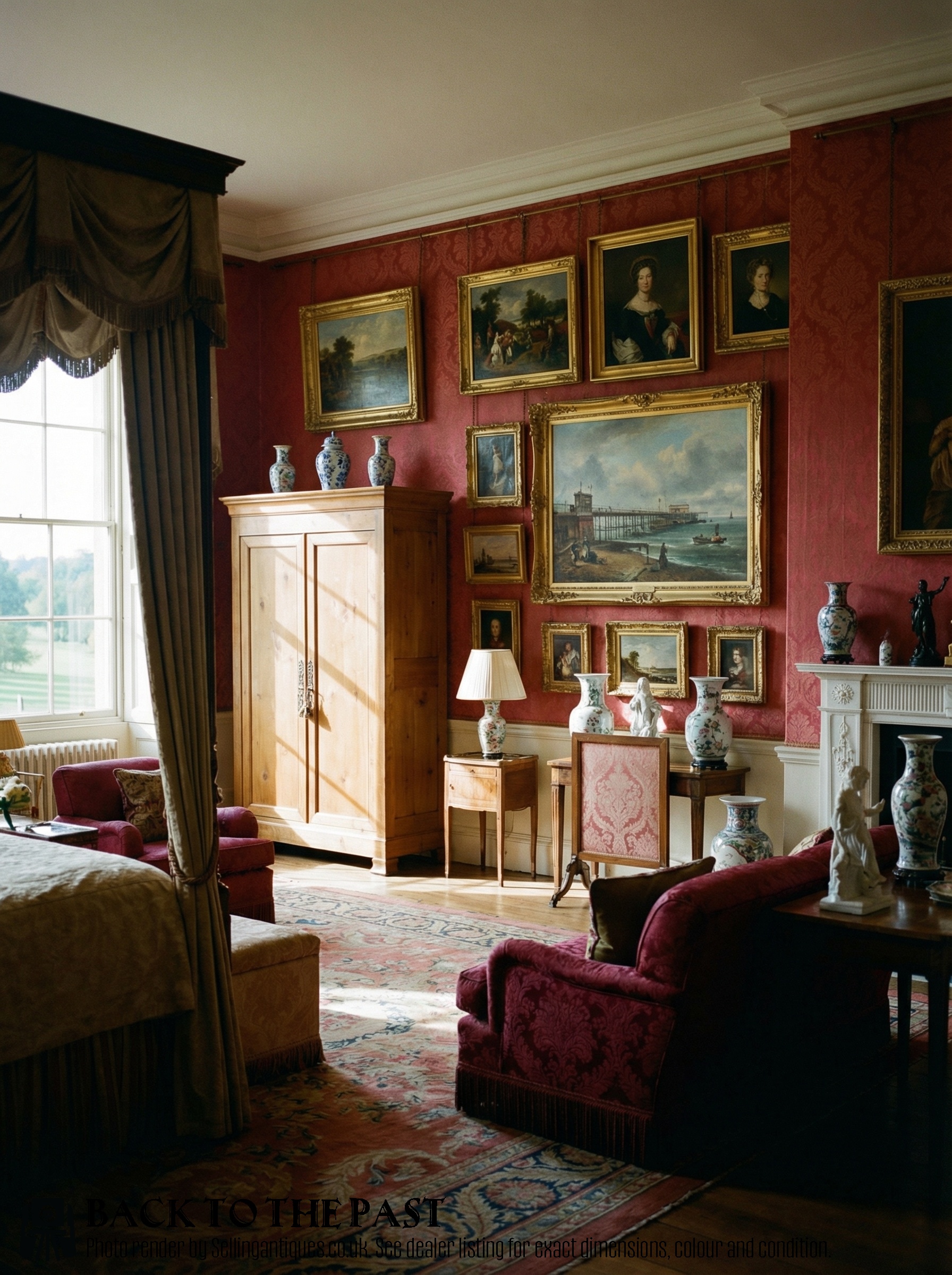
French Provincial Linen Cupboard
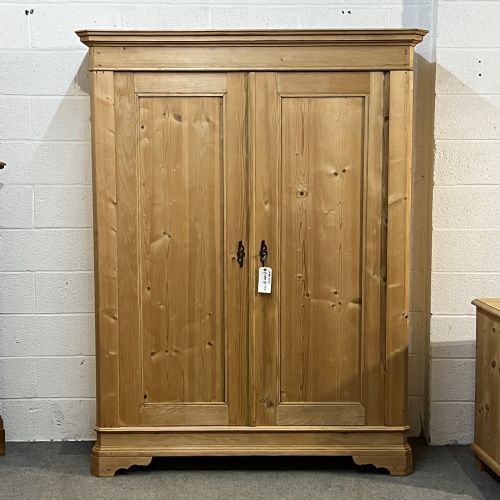
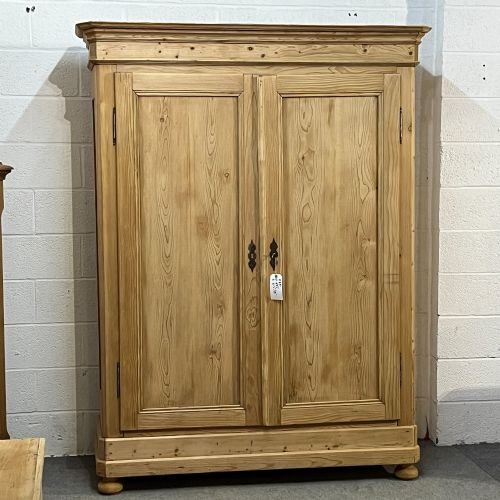
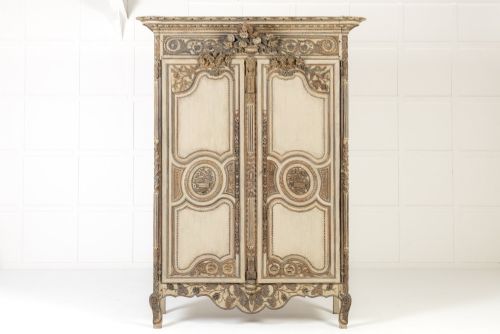
A french provincial linen cupboard encompasses large storage furniture built in the regions outside Paris, appearing primarily as armoires, wardrobes, and housekeeper's cupboards. These pieces provide tall internal storage with doors opening to shelves or hanging space, constructed to hold household textiles and garments.
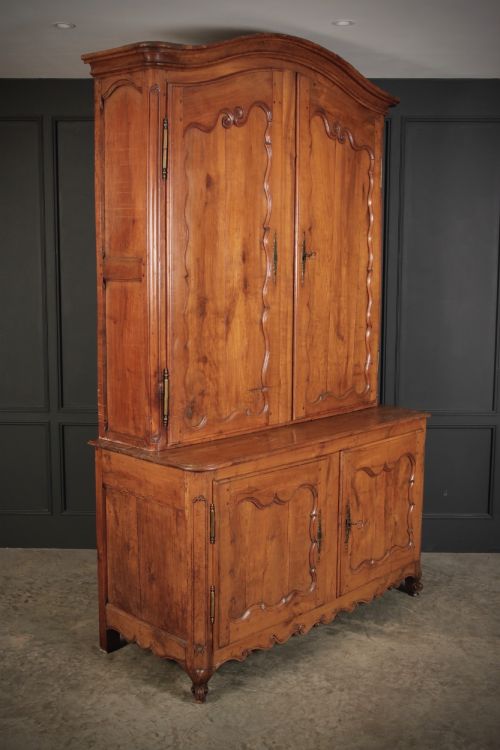
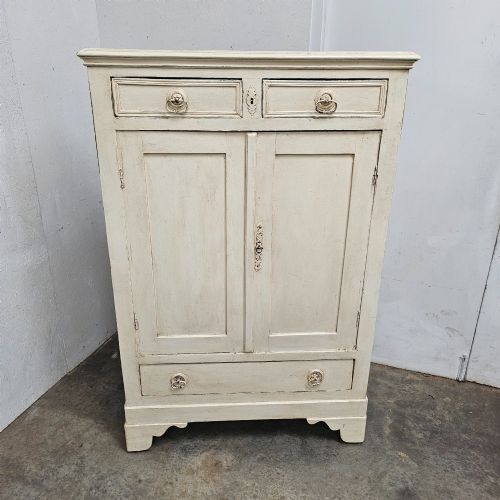
The selections span from the late seventeenth century through the Victorian era and into the early twentieth century. Buyers encounter robust oak and walnut armoires alongside painted pine and cherry housekeeper's cupboards, reflecting both formal local tastes and simpler rural utility.
How they were made
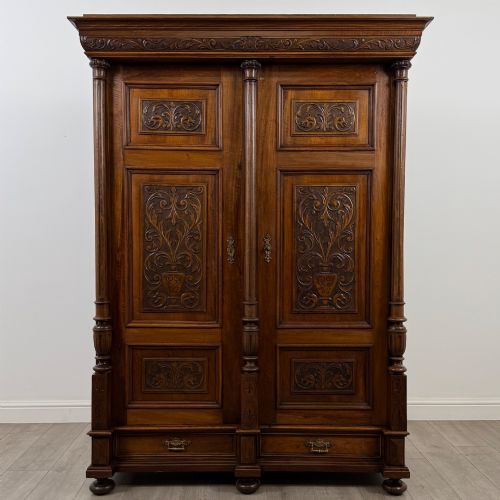
Local cabinet-makers relied heavily on regional timbers such as oak, walnut, cherry, chestnut, and pine, often joined with sturdy pegged mortise and tenon construction. Surfaces range from deeply carved panels and bleached finishes to traditional painted treatments.
Hardware typically involves forged iron hinges and brass escutcheons that secure large timber doors. Structural division often separates multi-part buffets and two-piece cabinets into upper and lower sections for transport.
Rural cabinet-makers often concealed hidden compartments within heavy armoire bases to safeguard family silver.
What varies in quality
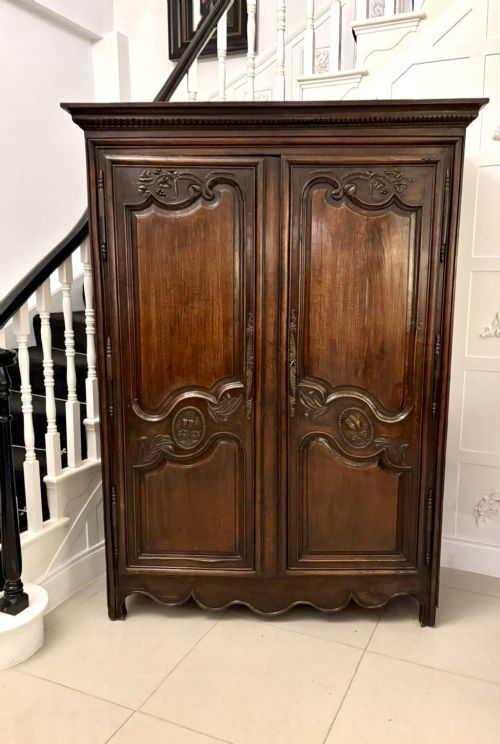
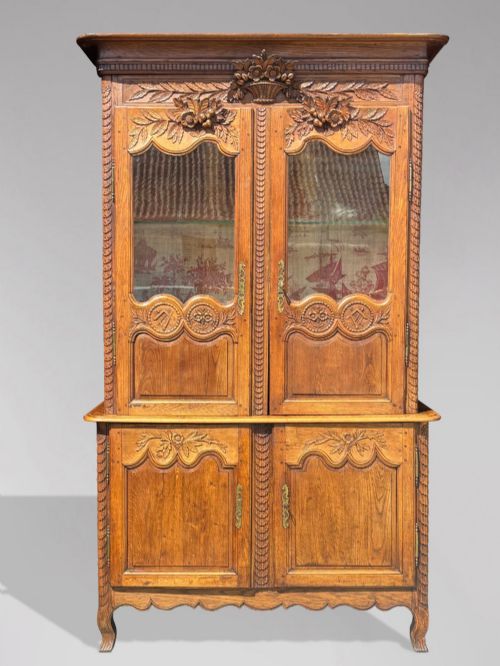
The degree of hand-carved detail and the selection of timber dictate the standing of an individual piece, moving from utilitarian pine storage to elaborate Louis XV and Rococo walnut armoires. Timber choice marks the division between simple country workshops and ambitious provincial commissions.
Proportion and integrity of the original wood determine the overall refinement. Bleached or painted surfaces show varying degrees of age-related wear, while early pieces retain structural elements that reflect regional joinery traditions.
The French Provincial Linen Cupboard Glossary
- Armoire
- A tall wardrobe or cupboard with doors enclosing shelving or hanging space. Early examples often feature deep architectural cornices and heavy panel doors.
- Buffet deux corps
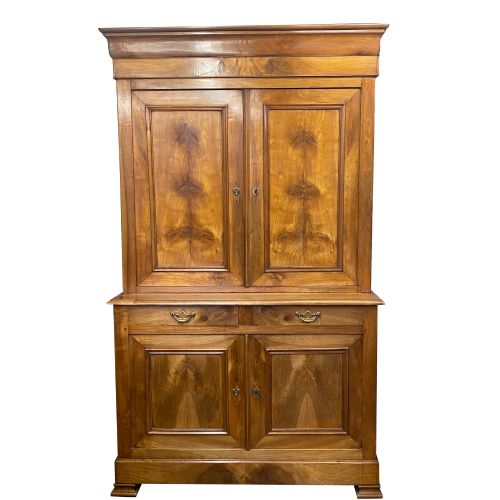
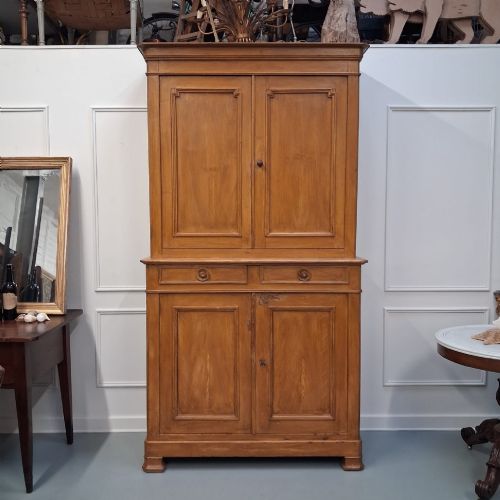
- A large two-part cabinet featuring an upper cupboard stacked upon a deeper lower section. This form served regional dining rooms for storing provisions and household linen.
- Housekeeper's cupboard
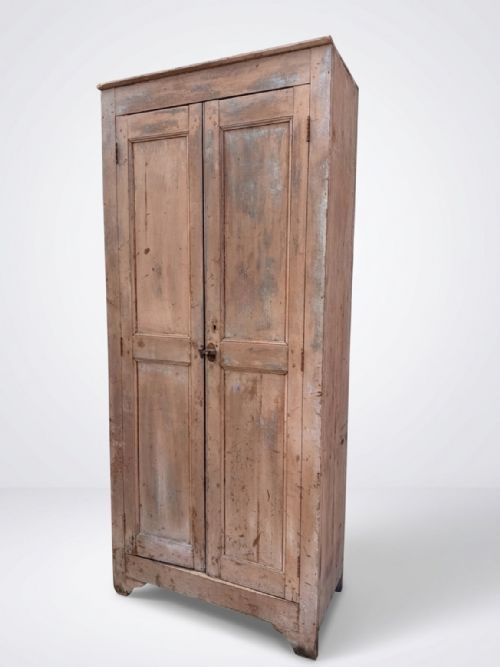
- A tall storage cabinet designed for domestic linen and provisions. These pieces frequently utilise pine or cherry and present functional double doors.
- Bonneterie
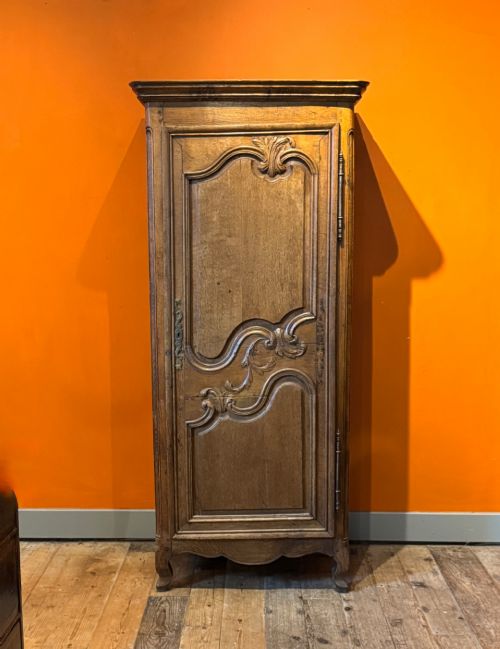
- A single-door provincial cupboard originally built to store bonnets and small garments. They are narrower than standard armoires.
- Louis XV taste
- A decorative style characterised by asymmetric curves, naturalistic leaf carving, and rocaille motifs. Provincial cabinet-makers adapted these courtly designs into local furniture.
French Provincial Linen Cupboard: Frequently Asked Questions
What is a french provincial linen cupboard used for?
These large cabinets provide substantial vertical storage for household linens, blankets, and clothing within deep interior spaces.
Historically, rural households relied on them to protect textiles from dust and dampness in unheated rooms.
How do I date an antique armoire?
Dating relies on examining the timber species, joinery methods, and carved stylistic details such as Louis XV or Rococo motifs.
Early pieces from the seventeenth and eighteenth centuries display hand-pegged joints and regional wood selections distinct from later pine models.
Are these cupboards made of solid wood?
Regional pieces are constructed using solid regional timbers including oak, walnut, cherry, chestnut, and pine.
Cabinet-makers built the heavy panels and frames entirely from local timber without modern veneers.
Will a large wardrobe fit in a modern room?
Many provincial armoires and housekeeper's cupboards were built with massive proportions and deep cornices requiring careful measurement of ceiling height.
Certain larger forms, such as the buffet deux corps, separate into distinct upper and lower sections to ease movement.