


French Portrait Drawing
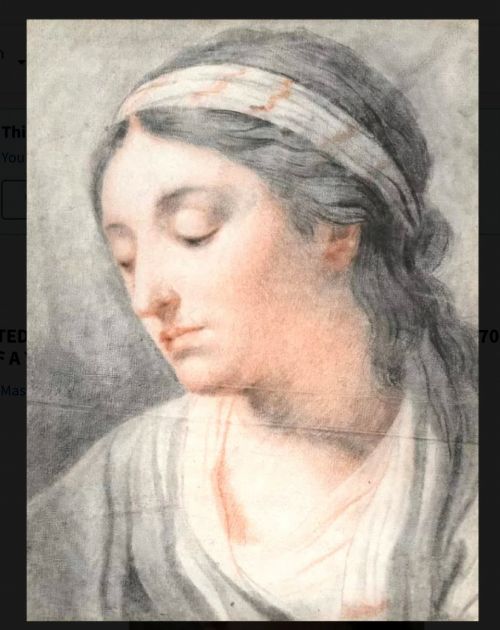
These french portrait drawing examples capture individual character on paper through charcoal, pastel, and chalk across several centuries.
French Portrait Drawing
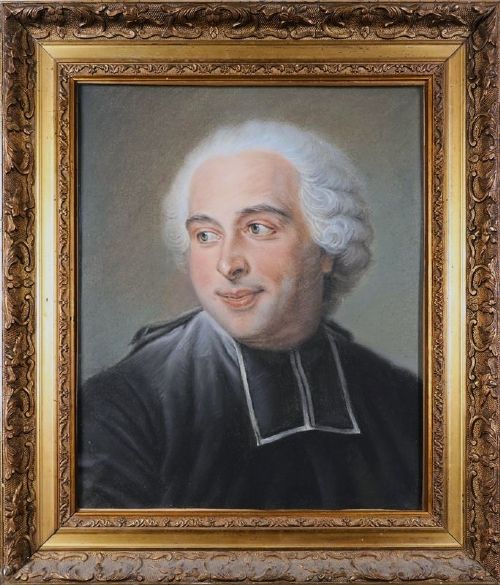
A french portrait drawing preserves the likeness and expression of sitters from the eighteenth century through to the mid-twentieth century on paper supports. Buyers find works executed in charcoal, chalk, graphite, and pastel, often housed in period frames of giltwood.
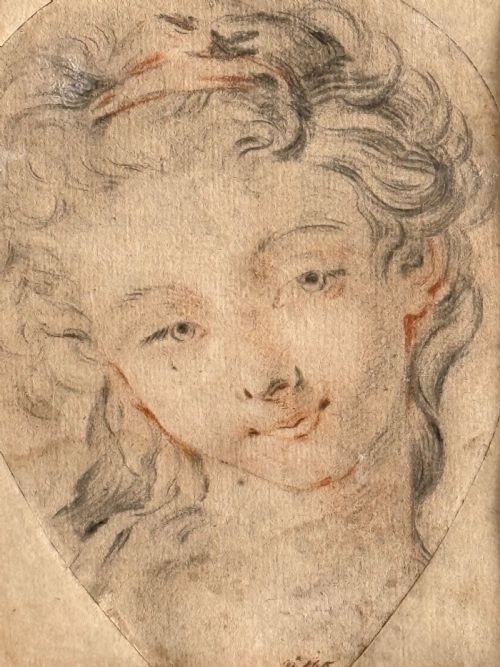
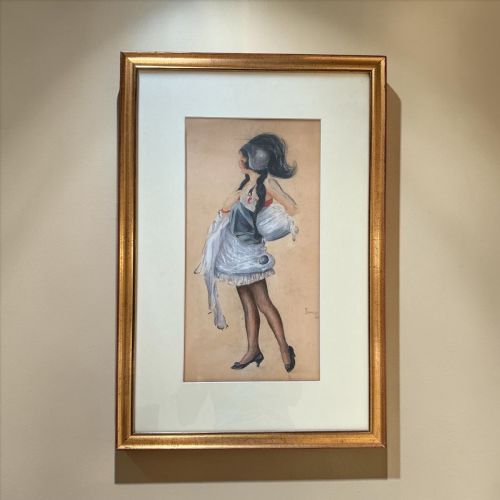
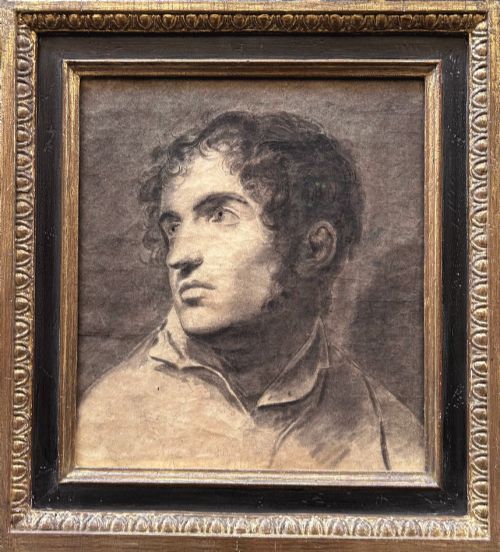
The selection ranges from eighteenth-century academic head studies and Rococo depictions to nineteenth-century romantic works, Orientalist sheets, and Art Deco era illustrations. Many pieces originate from the French School or are attributed to notable hands of their respective periods.
Framed original artwork dominates the selection, offering intimate glimpses into historical lives ranging from noble sitters to anonymous subjects captured in quiet moments of reflection.
Materials and Technique
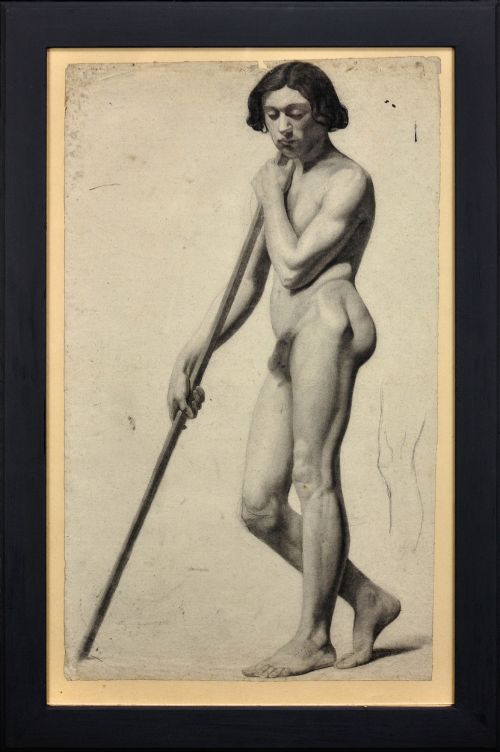
Artists relied primarily on dry media such as charcoal, black and red chalk, graphite, and pastel applied directly to paper sheets or board. These materials allowed for immediate capture of tone, shadow, and texture.
Works are frequently heightened with white chalk to create depth and luminosity against toned or laid paper. Later twentieth-century examples incorporate mixed techniques alongside copper plates and ink.
Surviving pieces are typically protected beneath glass and mounted within period frames constructed from wood and giltwood, preserving the delicate dry media from surface disruption.
Portraits include academic life studies, elegant ladies, gentlemen, children, and literary figures set within original frames.
Judging Quality
The condition of the delicate paper support and the preservation of fugitive media like pastel and chalk dictate the visual integrity of the piece over time. Original framing and documented provenance further distinguish finer examples from standard decorative works.
Maurice Quentin de la Tour·Francois Boucher·François-André Vincent·Theobald Chartran·Henri Josephe Hesse·Gaston Bouy·Jean Betourne
The French Portrait Drawing Glossary
- Charcoal
- A dry drawing medium made from burnt organic material that produces deep velvety blacks and wide tonal ranges. It allows artists to build up expressive shadows and soft contours quickly.
- Pastel
- A powdered pigment bound into stick form, offering rich colouration and immediate velvety application on paper or board. Pastel portraits require protection under glass to prevent smudging.
- Chalk
- A mineral-based drawing medium used extensively in academic and preparatory studies for its precision and tonal control. Red and black chalks were often combined in traditional figure work.
- Graphite
- A form of carbon used to create fine, precise lines and subtle metallic grey tones. It became widely utilised for detailed portrait sketches from the nineteenth century onward.
- French School
- A collective term for artists trained within the French academic tradition or working under distinct French aesthetic influences. It spans multiple centuries of shifting stylistic movements from Rococo to Modernism.
French Portrait Drawing: Frequently Asked Questions
How should I display antique drawings?
These works on paper require placement away from direct sunlight to prevent the fading of charcoal, chalk, and pastel pigments.
Maintain stable indoor humidity levels and ensure the framing maintains a protective barrier between the paper and the glass surface.
How do I identify the period of a portrait?
Stylistic markers such as costume, hairstyle, and framing materials often provide the earliest clues to a drawing's creation date. Eighteenth-century works frequently feature powdered wigs and Rococo attire, while nineteenth-century pieces reflect academic realism or romanticism.
Signatures, dates inscribed on the reverse, and artist attributions further narrow down the exact decade of execution.
What is the difference between pastel and chalk?
Chalk is a denser mineral medium that yields finer, sharper lines suited to precise anatomical studies and preparatory sketches. Pastel contains higher concentrations of pure pigment bound loosely, creating softer, painterly fields of colour.
Pastel drawings generally present a more substantial surface layer of pigment compared to linear chalk work.
Are these works original or reproductions?
The listings comprise original unique works executed by hand directly onto paper or board by artists of the period. Each piece represents a singular creative act rather than a printed reproduction.
Examining the surface closely reveals individual hand-applied strokes of dry media and the natural texture of the paper support.