
French Portrait Art
French portrait art captures centuries of continental character through oil paintings, engravings and bronze busts.
French Portrait Art
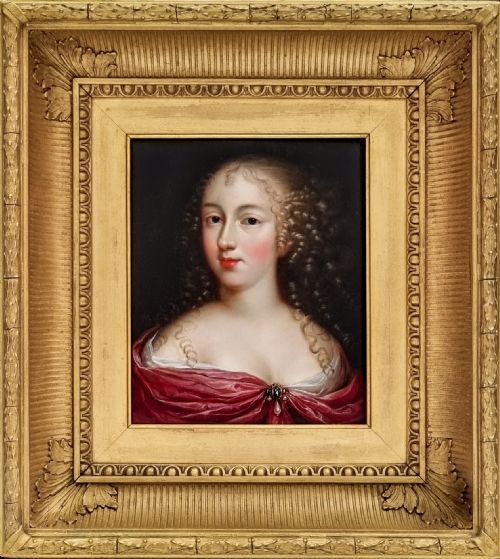
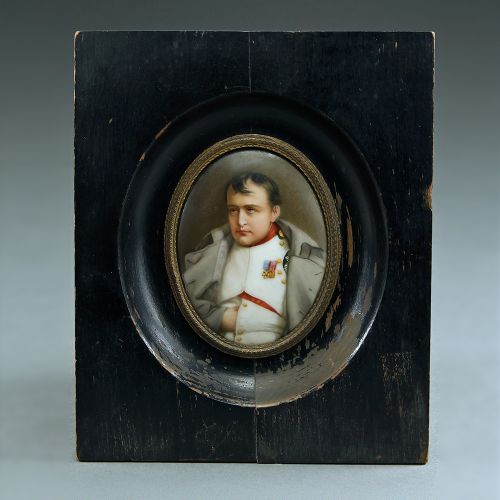
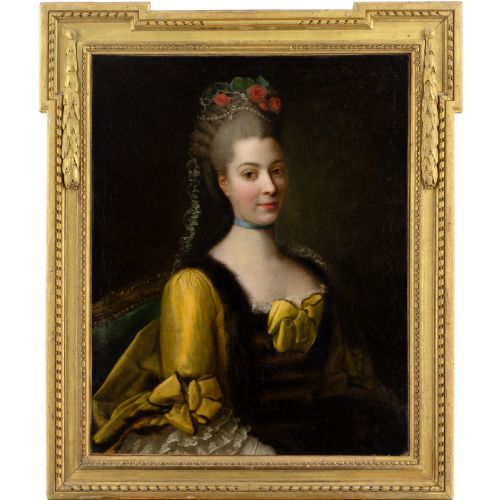
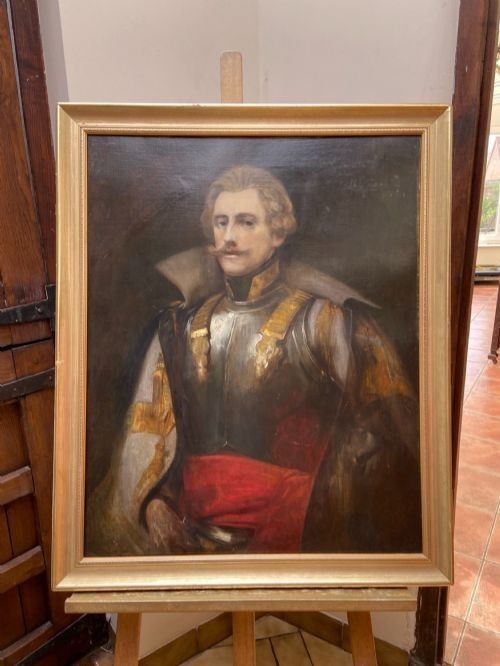
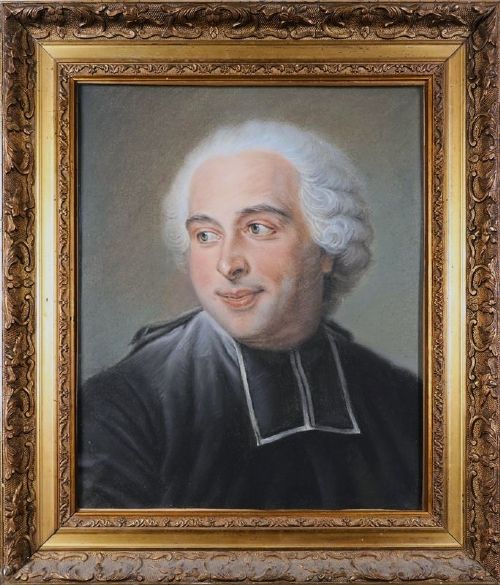
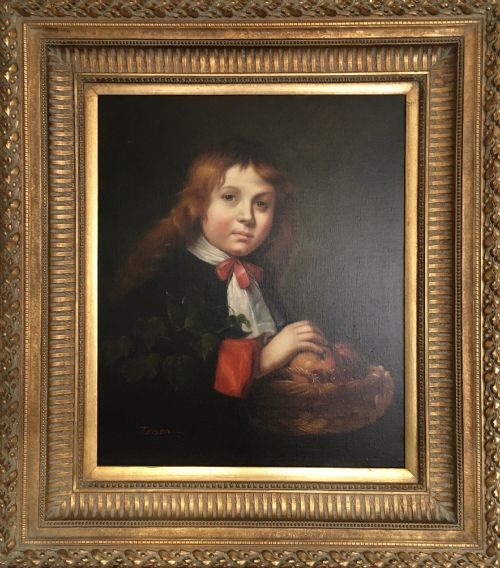
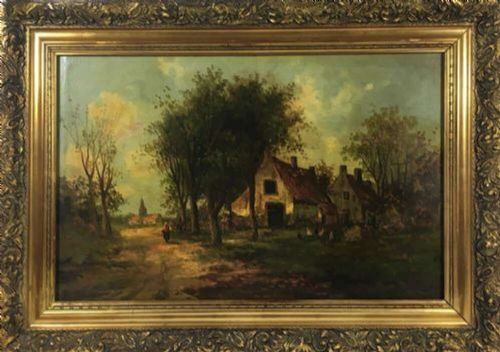
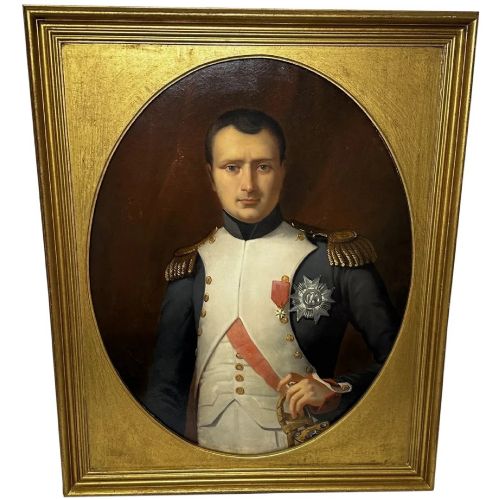
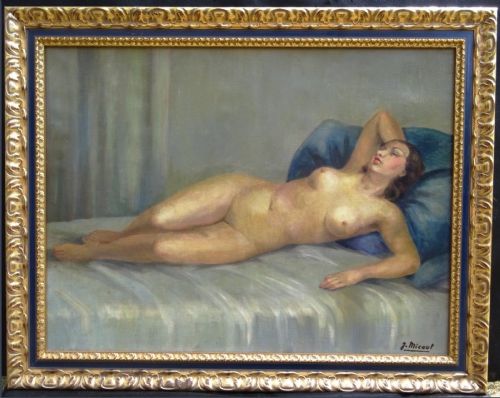
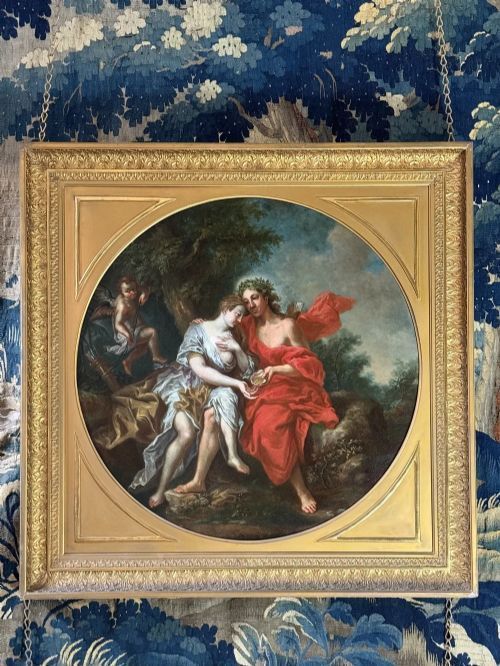
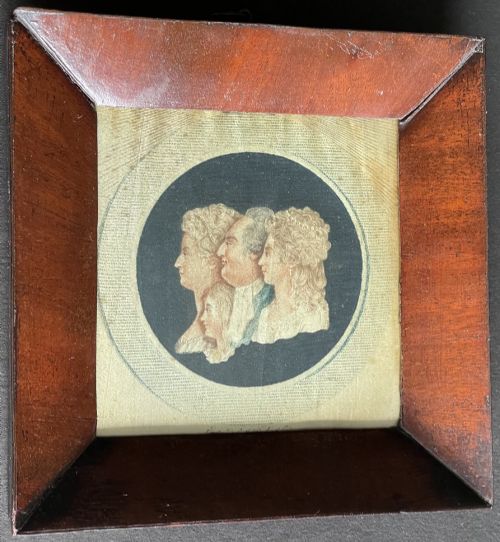
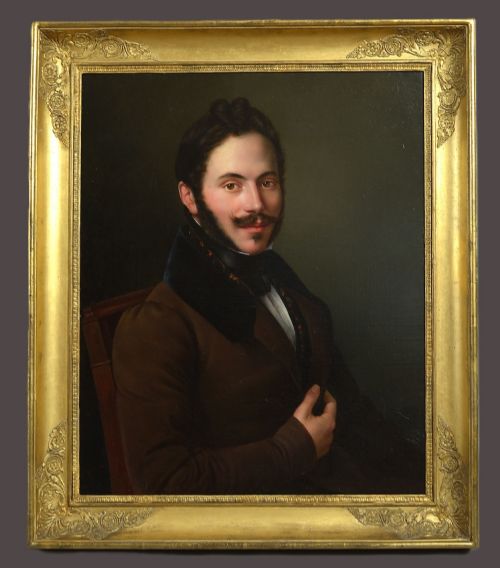
French portrait art encompasses paintings, engravings, drawings and sculptures depicting historical figures, military officers, nobility and provincial subjects. Buyers encounter works spanning from the seventeenth century through the art deco period.
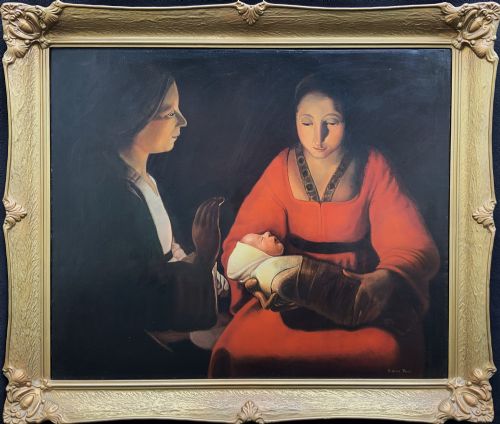
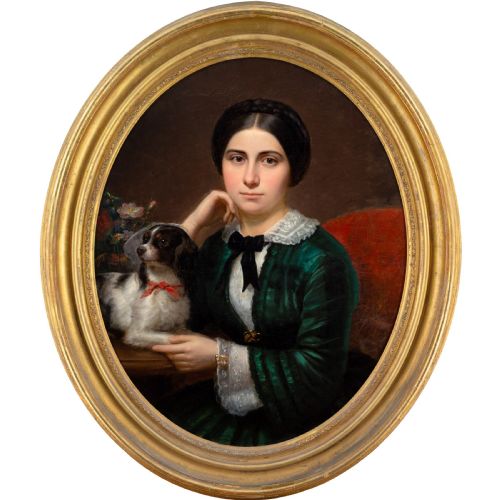
Oil paintings on canvas and panel form the core of the selection, alongside framed drawings, pastel works and bronze portrait busts. Pieces range from grand academic works to intimate provincial studies.
The aesthetic evolves across periods, moving from baroque and rococo formality through nineteenth-century academic realism to early twentieth-century modernist interpretations.
Materials and methods
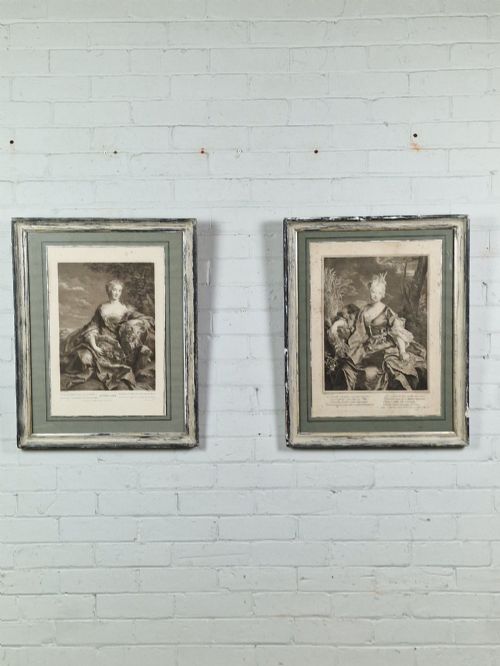
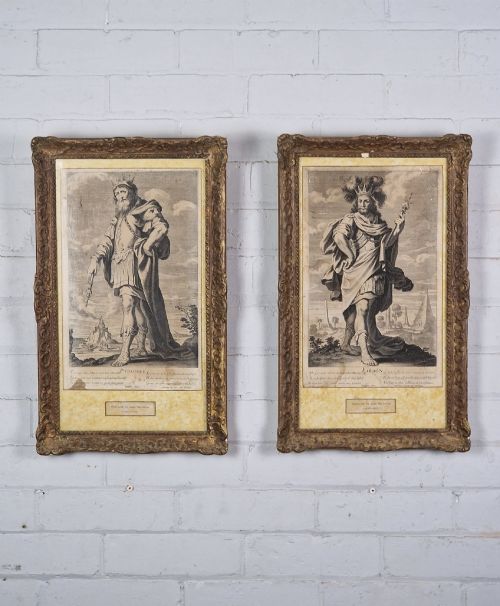
Artists utilised oil paint applied to woven canvas or timber panels, often layering pigments to achieve depth in skin tones and drapery. Engravings and etchings employed inked metal plates pressed onto fine paper or silk.
Sculptural works relied on casting bronze or carving materials such as alabaster, frequently incorporating giltwood frames to house flat works. These traditional mediums defined the durability and appearance of each piece.
Several portraits capture domestic animals sharing the frame with their owners, proving that historical figures also adored their cats and dogs.
Assessing quality and execution
Quality rests in the precision of the draughtsmanship, the handling of light and shadow, and the psychological depth captured in the subject's expression. Master works demonstrate confident brushwork and anatomical accuracy.
The integrity of the original support, the retention of clear detail in cast bronzes, and the authenticity of the period framing contribute significantly to a piece's standing.
Maurice Quentin de la Tour·Georges de La Tour·Pierre Mignard·Jean-baptiste Greuze·Edouard Pingret·Francois Boucher·Jean-Gabriel Domergue·Adelaïde Salles-Wagner·Guillaume Courtois·Joseph Vivienne·Emmanuel Villanis·Louis Icart·Alfred Arthur Brunel de Neuville
The French Portrait Art Glossary
- Oil on canvas
- Pigments bound in drying oil applied to a stretched fabric support. This surface choice allows for subtle blending and rich texture.
- Engraving
- An intaglio printmaking technique where an artist cuts lines directly into a metal plate. Ink settles in these grooves and transfers to paper under pressure.
- Giltwood
- Timber that has been coated with a thin layer of gold leaf. It provides ornate, reflective framing for significant paintings.
- Pastel
- A dry drawing medium composed of powdered pigment and a binder. It yields soft, luminous colours that require glass protection.
French Portrait Art: Frequently Asked Questions
How do I date a French portrait?
Dating relies on costume details, hairstyles, painting techniques and framing styles characteristic of specific reigns or art movements.
Documentation, signatures and inscriptions on the reverse of the canvas or panel provide further chronological clues.
How should I care for antique oil portraits?
Keep paintings away from direct sunlight, extreme temperature shifts and high humidity to protect the canvas and pigments.
Dust surfaces gently with a soft, dry brush and avoid using liquid cleaners on the paint or gilt frames.
What subjects are common in these portraits?
Subjects include military officers, aristocracy, children, fashionable ladies and provincial figures captured in formal or candid poses.
Historical and mythological characters also appear, referenced through classical clothing and symbolic attributes.