



French Porcelain Vase Lamps
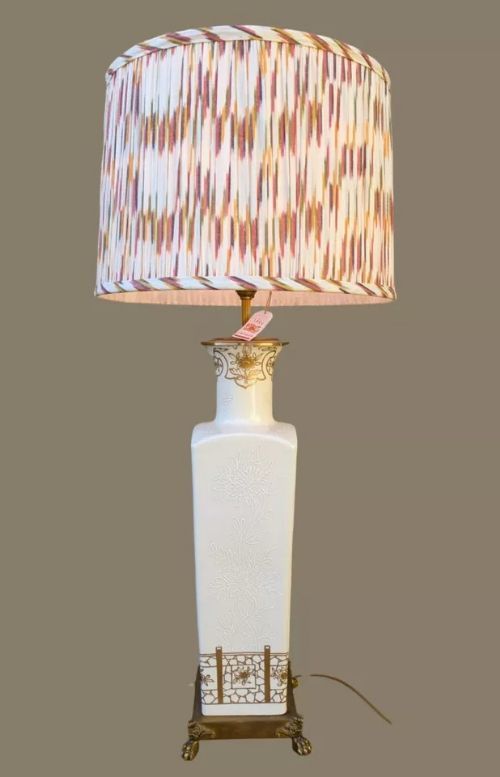
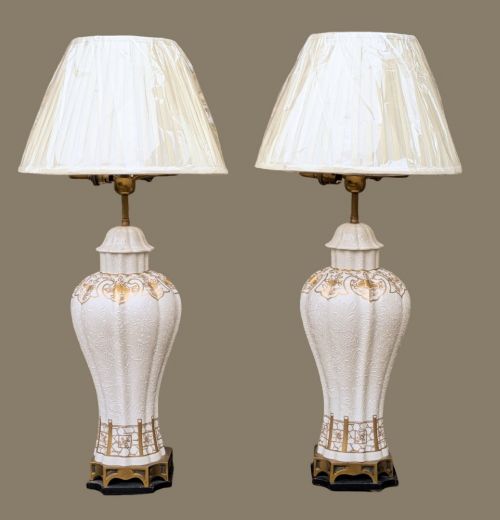
French porcelain vase lamps combine historic ceramic bodies with structural mounts to bring domestic illumination to period interiors.
French Porcelain Vase Lamps
When you search for french porcelain vase lamps, you encounter vessels transformed from decorative containers into functional table lamps. These pieces originate primarily in the nineteenth century, often drawing on earlier manufacturing traditions or incorporating imported ceramic bodies into European interiors.
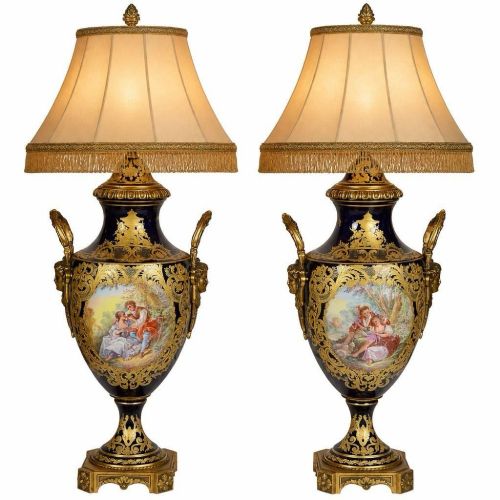
The most common forms on this page include pairs and single pieces featuring painted surfaces, monochrome glazes, or applied hand-modelled details. Makers and workshops utilised existing porcelain bodies, adapting them with wiring and fittings during subsequent decades.
Styles range across Rococo Revival, Louis XVI, and Chinoiserie aesthetics. These designs reflect nineteenth-century European taste for Asian export wares alongside domestic Parisian output.
Materials and construction
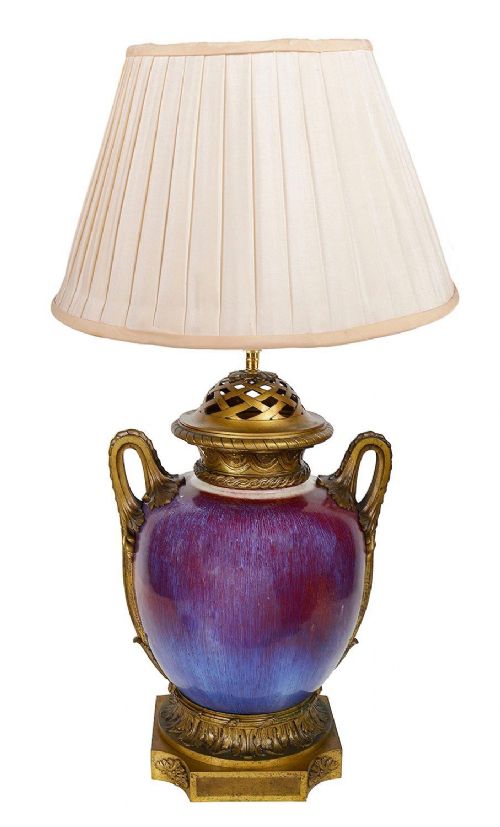
The structural foundation of these pieces relies on fired ceramic and porcelain bodies, frequently paired with metal components. Brass, ormolu, and gilt bronze serve as mounts, collars, and bases that secure the ceramic vessel and provide a platform for electrical fittings.
Surface decoration employs hand-painted pigments, gilding with gold leaf, and specialised techniques such as pâte-sur-pâte. Many bodies display monochrome grounds in bleu céleste or powder blue, alongside polychrome famille rose or famille verte palettes.
French Porcelain Vase Lamps Retail Price Guide 2026
Typical asking prices for french porcelain vase lamps among the pieces listed under this phrase on Sellingantiques today, from the lower quarter to the upper quarter. They describe what is for sale here now, not the wider market.
Listings feature nineteenth-century porcelain alongside eighteenth-century elements, incorporating brass, gilt bronze, and silk fabric components across varied styles.
Assessing quality and execution
Quality rests upon the execution of the porcelain body and the precision of the metal mounts. Finer examples display crisp hand-painted detail, balanced proportions, and heavy cast bronze or ormolu mounts that fit the ceramic contours without excess solder.
The integration of the conversion matters significantly. Superior pieces retain their original ceramic integrity with minimal alteration to the base, while mountings remain secure and true to period styling.
Sevres·Samson
The French Porcelain Vase Lamps Glossary
- Ormolu
- Finely chased and gilt bronze applied as a decorative mount. This technique adds structural support and decorative framing to ceramic bodies.
- Pâte-sur-pâte
- A ceramic decorating method where successive layers of liquid clay build up a low-relief design before firing. The resulting cameo effect appears translucent against a coloured ground.
- Bleu céleste
- A bright sky-blue porcelain ground colour associated with Sevres production. It forms a uniform backdrop for polychrome painted panels.
- Famille rose
- A palette of opaque enamel colours dominated by rose pink. This style developed in Chinese kilns and influenced European imitation wares.
- Chinoiserie
- European artistic style reflecting Chinese motifs and techniques. It appears frequently in nineteenth-century decorative arts.
French Porcelain Vase Lamps: Frequently Asked Questions
Are these lamps original period pieces?
The ceramic bodies and metal mounts originate from the eighteenth and nineteenth centuries, spanning periods such as the Victorian era and the Louis XVI revival. Many vessels were adapted into lamps during the nineteenth or twentieth centuries as domestic lighting evolved.
Conversion methods varied depending on the decade of adaptation, but the underlying porcelain and bronze elements retain their historic manufacture.
How do I identify Sevres style lamps?
Sevres style pieces typically exhibit rich coloured grounds like bleu céleste, paired with gilt bronze or ormolu mounts in Rococo Revival or Louis XVI styles. Hand-painted panels often feature floral or figurative subjects.
Comparative study of nineteenth-century French mounting techniques helps distinguish these pieces from later decorative reproductions.
What is the difference between Paris porcelain and Chinese export?
Paris porcelain lamps originate from various nineteenth-century Parisian workshops and frequently display Western floral or neoclassical motifs. Chinese export pieces, including famille rose and blue and white wares, were manufactured in Asia and often mounted in Europe.
Both categories appear within nineteenth-century French interiors, sometimes utilising identical ormolu mount styles.
How should I clean porcelain lamp bases?
Dust porcelain surfaces gently with a dry, soft cloth to prevent accumulation. Avoid commercial liquid cleaners on painted or gilded areas, as moisture can damage historic finishes.
Metal mounts require separate care using dry conservation methods to preserve the integrity of the bronze and gilt surfaces.