




French Porcelain Trinket Box
A french porcelain trinket box is a small, decorative container for keeping personal treasures, combining delicate ceramic bodies with ornate metal mounts.
French Porcelain Trinket Box
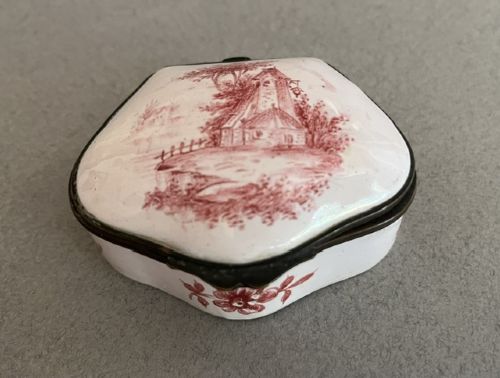
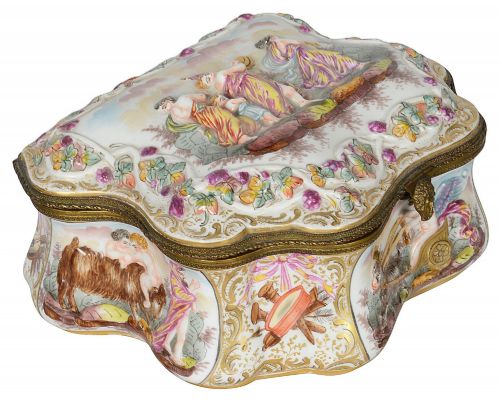
When you search for a french porcelain trinket box, you are looking at small lidded containers designed to hold jewellery, powder, or pills on a dressing table. These items span periods from the eighteenth century through the nineteenth century and into the art deco era of nineteen thirty. The pieces you are most likely to meet on this page take the form of round boxes, oval dishes, and jewellery caskets.
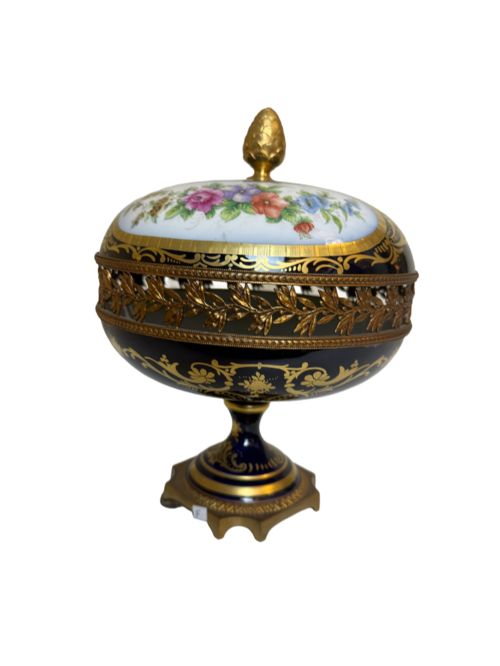
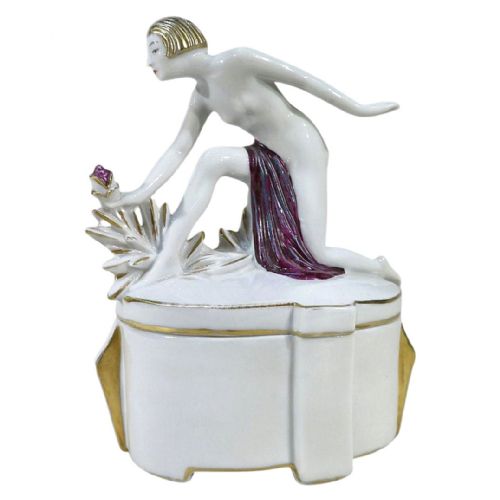
The styles range from eighteenth-century designs to nineteenth-century revivals including french rococo, neoclassical revival, and second empire. You will also find twentieth-century art deco ceramic powder boxes and bonbonnières from makers such as Limoges and Edme Samson. Many incorporate hinged mounts and cobalt blue or hand-painted surfaces.
How they were made
These items rely on fired porcelain and ceramic bodies combined with metal mounts in ormolu, gilt metal, brass, or gold leaf. Artisans applied hand-painted details, enamel, and coloured glaze directly to the porcelain before mounting the lids with metal hinges and clasps. Some pieces also integrate glass elements alongside the ceramic and metal structure.
The manufacture brings together ceramic shaping and metalworking, where decorative boxes receive gilt detailing and raised gold work. Makers utilised specialised kilns for the porcelain glazes and skilled assembly for the ormolu frames that enclose the lidded dishes.
The listings span from the eighteenth century up to nineteen thirty art deco designs, utilising porcelain, ormolu, enamel, and brass.
What varies in quality
The standard of painting on the porcelain surface separates basic utility containers from finer collector pieces. Hand-painted details with crisp brushwork and raised gold leaf indicate higher skill than simple printed patterns or plain coloured glazes.
The quality of the metal mounts and hinges also marks the distinction between workshops. Heavy ormolu and well-fitted brass hardware that aligns neatly with the porcelain body show superior construction compared to lighter gilt metal components.
Edme Samson Of Paris·Limoges
The French Porcelain Trinket Box Glossary
- Ormolu
- Gilded bronze or brass mounts used extensively on nineteenth-century French furniture and decorative boxes. This technique gives the metal a rich, gold-coloured finish.
- Sevres
- A famous French porcelain factory known for producing high-quality decorative pieces. Its wares often feature deep cobalt blue grounds and elaborate gilt detailing.
- Limoges
- A city in France renowned for its porcelain production workshops. Pieces from this region frequently include powder boxes and trinket dishes.
- Gilt metal
- Metal that has been treated with a thin layer of gold leaf or gold paint. It provides a bright metallic accent to ceramic containers.
French Porcelain Trinket Box: Frequently Asked Questions
What were french porcelain trinket boxes used for?
These small lidded containers served multiple domestic purposes on dressing tables and desks. Owners stored small personal items such as rings, pins, and small cosmetics inside them.
Some variations functioned specifically as powder bowls or pill boxes. Their decorative nature meant they remained on display in parlours and bedrooms rather than being stored away.
How do I date a porcelain trinket box?
Dating relies on observing the stylistic markers, painting techniques, and material combinations of the piece. Nineteenth-century examples often lean towards rococo revivalism and cobalt blue grounds with ormolu mounts.
Twentieth-century pieces from the art deco period show geometric forms and different ceramic bodies associated with nineteen thirty production. Maker marks on the underside of the porcelain also help pinpoint the origin.
How do I clean and care for them?
Maintenance requires gentle handling to protect the hand-painted details, enamel work, and gilt metal surfaces. Dusting with a soft, dry cloth is usually sufficient for regular upkeep.
Avoid using harsh chemical cleaners or submerging pieces with metal mounts and hinges in water. Moisture can damage the glazes and cause corrosion on the brass or ormolu parts.
Are all these boxes made in France?
The majority of these decorative containers originate from French workshops, factories, and porcelain houses. Centres like Limoges and Paris produced a high volume of these luxury goods throughout the nineteenth and early twentieth centuries.
Some related pieces from the wider European sphere imitated these French styles, but many bear specific regional or maker attribution on the base.