

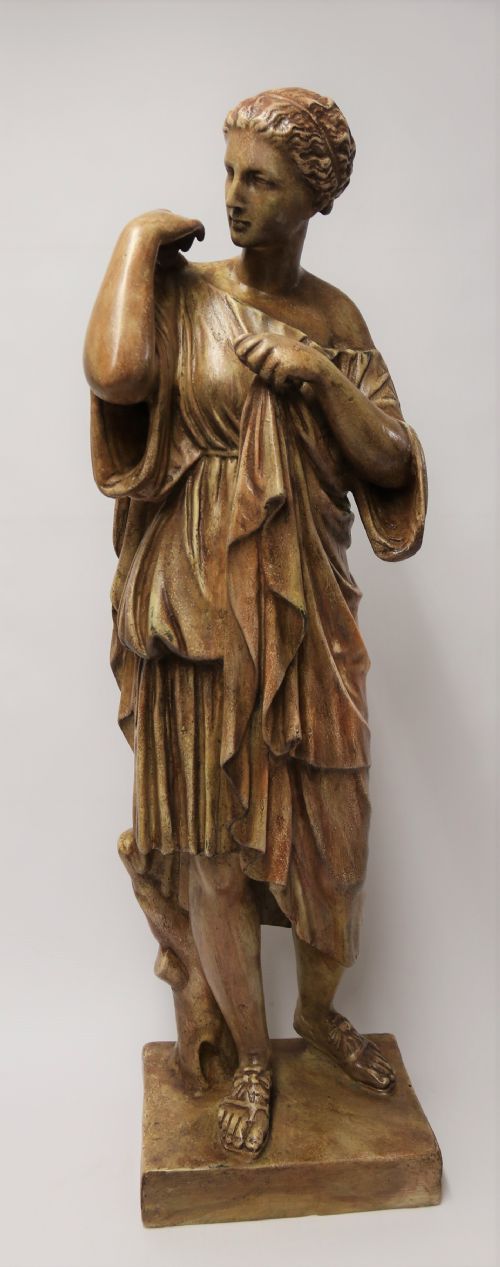


French Plaster Sculpture
French plaster sculpture brings classical figures, animals, and religious subjects into interiors through modelled and cast forms dating from the nineteenth and twentieth centuries.
French Plaster Sculpture
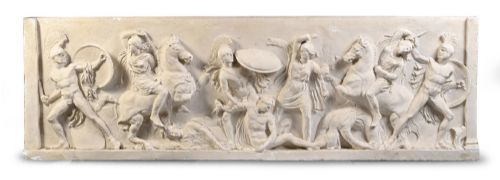
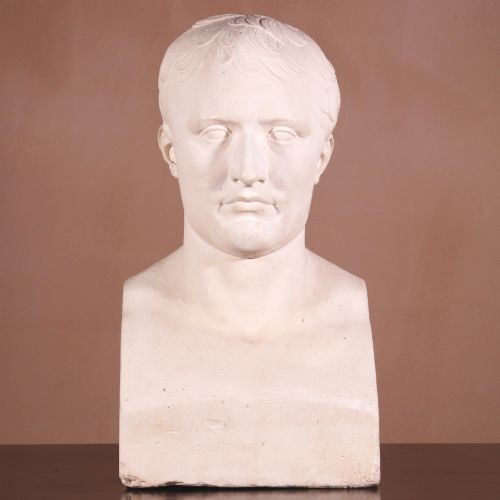
When you search for french plaster sculpture, you encounter sculptural works spanning the nineteenth century through the early twentieth century. The selection ranges from neoclassical busts and mythological figures to animalier studies and religious statues.
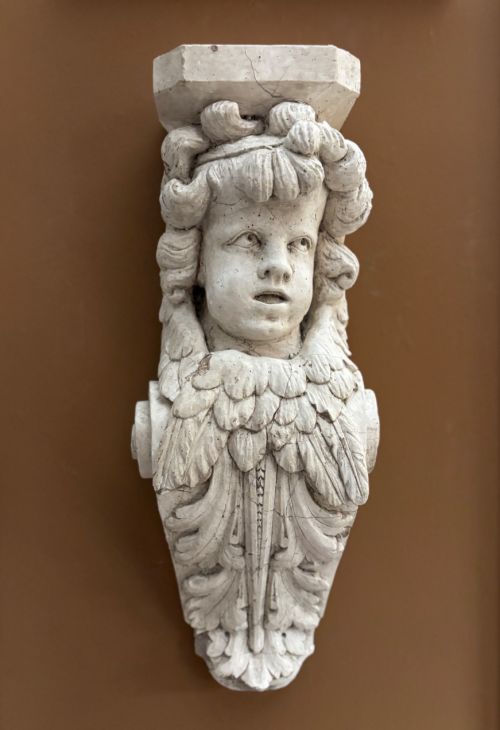
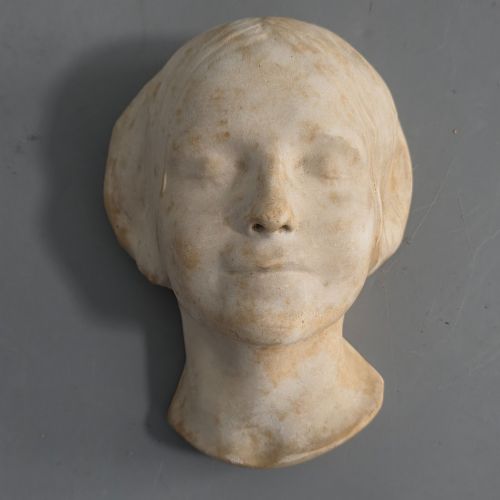
You meet architectural elements such as wall brackets, corbels, and pedestals alongside freestanding portrait busts and death masks. Many pieces reflect academic traditions, while others adopt modernist or provincial French country aesthetics.
Origins trace directly to French workshops and schools, encompassing subjects like Napoleon, Diana the Huntress, and Saint Joan of Arc. These objects capture the academic rigour and decorative ambition of their respective periods.
Materials and construction methods
Plaster, gypsum, and composition serve as the primary media for these sculptures, often reinforced or mounted on wood. Artisans also utilised terracotta and alabaster for specific relief sculptures and portrait busts.
Surfaces frequently receive paint, gesso, or patination to simulate stone, bronze, or terracotta. Hand-modelling techniques allow for fine detail in animalier and figural subjects, while casting methods reproduce classical forms accurately.
Current listings feature materials including plaster, terracotta, paint, wood, gesso, gypsum, composition, and alabaster across multiple historical periods.
Distinctions in quality
The integrity of the surface finish, whether original painted decoration or patinated gesso, influences the visual presence of the piece. Well-preserved structural elements on pedestals and wall corbels indicate careful past handling.
Joseph Constant·Octave Galliard-Sansonetti·Rouillard Angers
The French Plaster Sculpture Glossary
- Plaster
- A building and sculpting material composed of gypsum, water, and other ingredients, cast or modelled into decorative and figural forms.
- Terracotta
- Fired clay used for sculptural reliefs and busts, offering a reddish-brown earthy finish distinct from white gypsum.
- Neoclassical
- A style drawing inspiration from the classical art and culture of ancient Greece and Rome, prominent in nineteenth-century French pieces.
- Animalier
- A nineteenth-century artistic genre focusing on the realistic depiction of animals, seen in sculpted bulls, lions, and horses.
- Caryatid
- A sculpted female figure serving as an architectural support taking the place of a column or a pillar.
French Plaster Sculpture: Frequently Asked Questions
How do I clean french plaster sculpture?
Dust surfaces gently with a soft dry brush to prevent accumulation. Avoid water or liquid cleaners, as moisture damages traditional plaster and painted finishes.
Keep pieces away from damp areas to preserve the integrity of the material.
Where were these sculptures displayed?
Original locations included academic studios, ecclesiastical settings, and formal drawing rooms. Architectural pieces like corbels supported interior structures.
Freestanding figures and busts stood on pedestals or mantels as decorative ornaments.
How do I identify the period?
Examine the stylistic cues, such as neoclassical drapery or modernist lines. Materials like composition and specific types of gesso point toward nineteenth or twentieth-century manufacturing methods.
Signatures, stamps, and inscribed dates offer direct evidence of the creation era.
Are these pieces solid plaster?
Many sculptures utilise hollow casts to reduce weight while maintaining structural strength. Some incorporate wooden armatures or internal supports for stability.
Smaller reliefs and decorative brackets are often denser or mounted on wooden backing.