

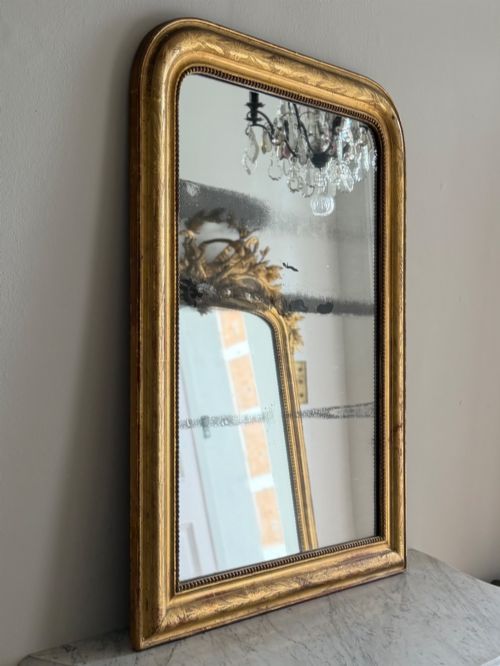
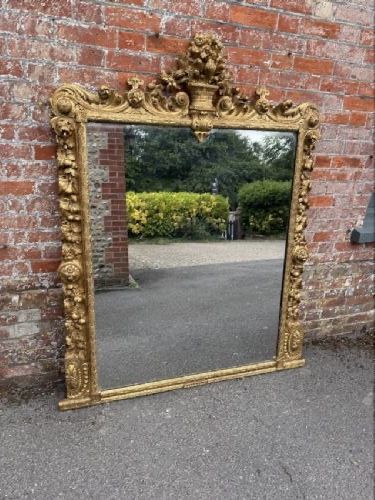
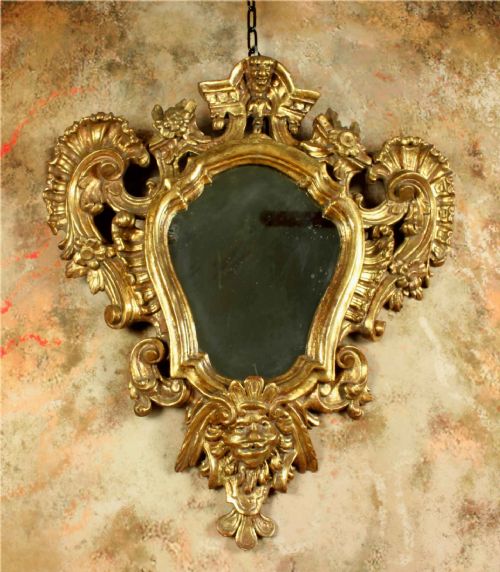
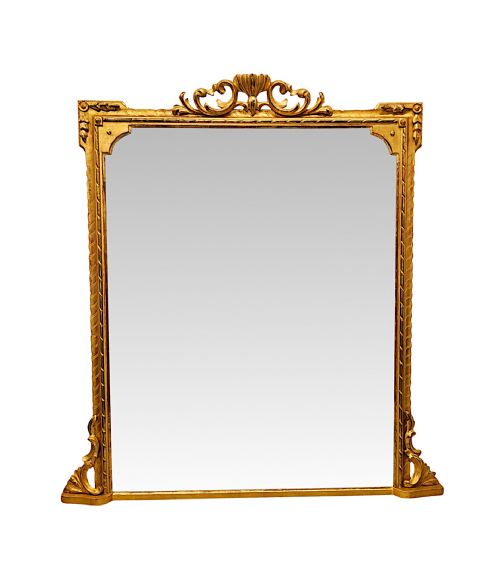
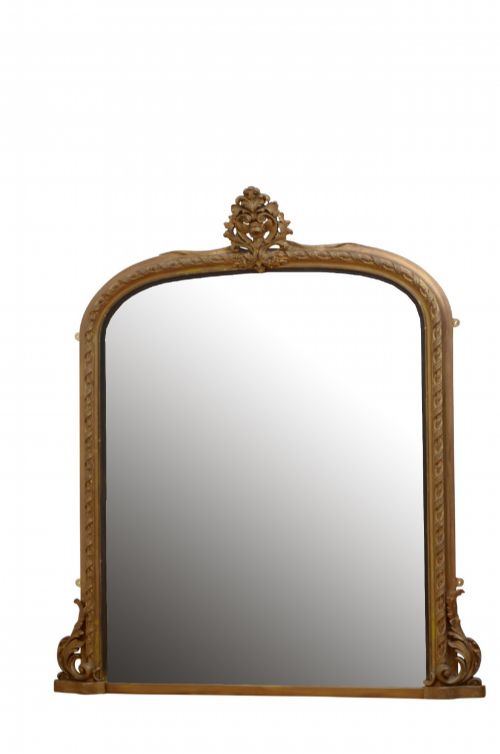


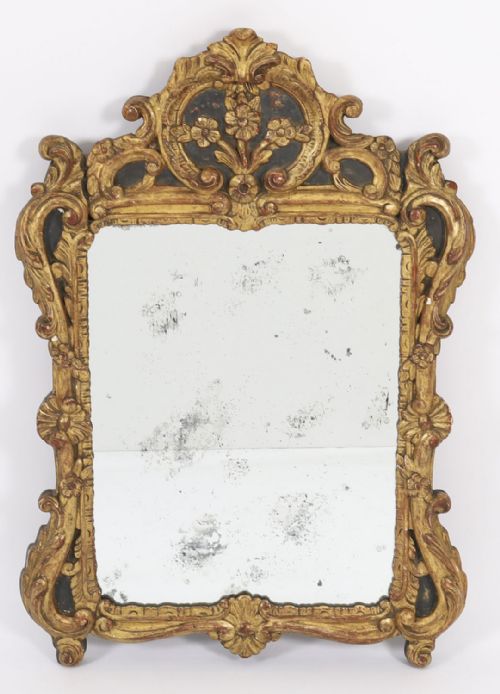


French Period Mirror
A french period mirror brings immediate depth and light to a room, carrying the distinct decorative vocabulary of past centuries.
French Period Mirror
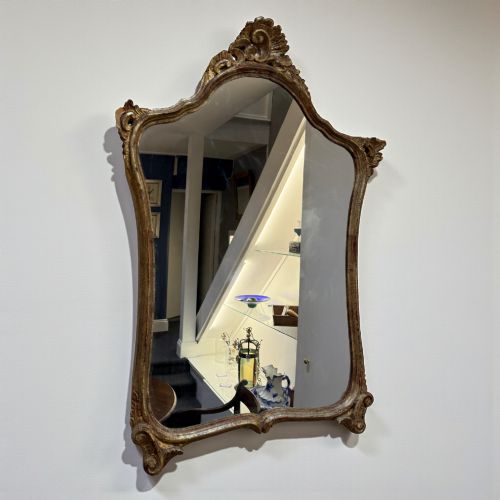
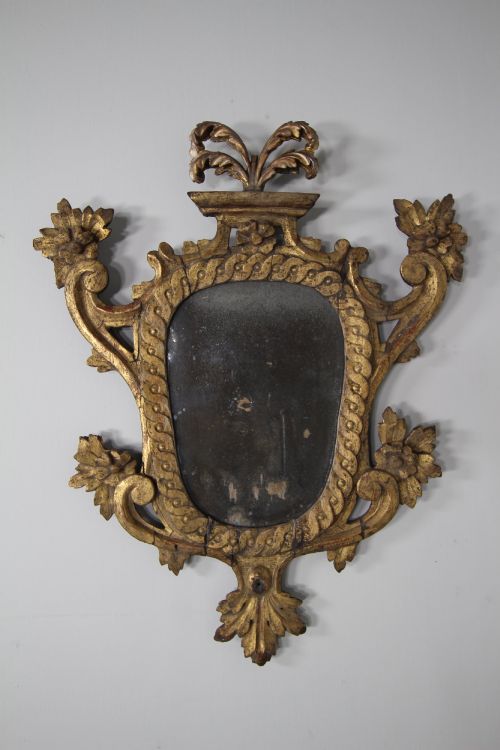
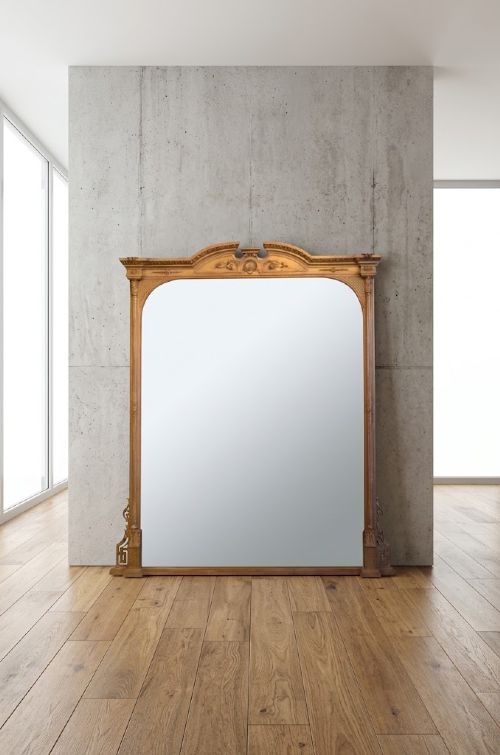
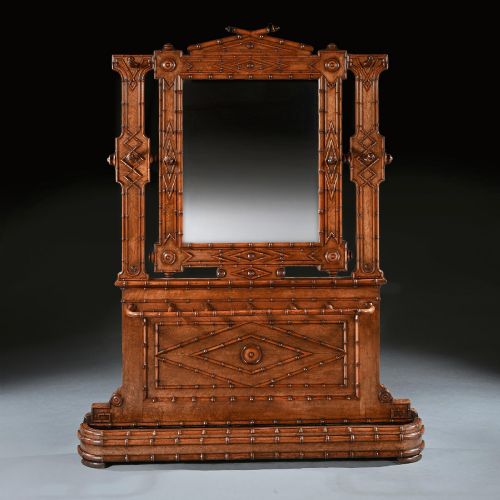
When you search for a french period mirror, you encounter pieces that range from grand overmantel formats designed for salons to intimate dressing and table mirrors. The selection spans centuries, capturing the evolving tastes of French design from early eighteenth-century giltwood to nineteenth-century Empire and Restauration interpretations.
You are most likely to meet wall mirrors and substantial overmantel mirrors framed in giltwood or painted finishes, alongside specialised forms like cheval mirrors and trumeau panels. These objects reflect the architectural scale and decorative ambitions of their respective periods, utilising traditional framing and glass plates.
How they were made
Maker workshops relied on carved wood, gesso, and gold leaf to build ornate frames, applying water gilding techniques that created a rich, reflective surface over preparatory layers. Bronze and ormolu mounts were cast and applied to furniture-grade mahogany frames in Empire period pieces, offering a contrasting metallic lustre.
Glass production utilised mercury plates in earlier examples, yielding a characteristic depth and slight distortion, while later nineteenth-century manufacturing introduced clearer bevelled glass. Paint and parcel-gilt finishes were carefully applied to trumeau panels and architectural frames to complement interior decorative schemes.
French Period Mirror Retail Price Guide 2026
Typical asking prices for french period mirror among the pieces listed under this phrase on Sellingantiques today, from the lower quarter to the upper quarter. They describe what is for sale here now, not the wider market.
Object forms include console tables, dressing tables, and picture frames alongside wall, overmantel, and table mirrors.
What varies in quality
The sophistication of the carved reliefwork and the crispness of the gesso detailing separate standard production from superior examples. Master carvers achieved fluid asymmetry in Rococo frames and precise architectural symmetry in Empire designs, where every scroll and floral motif maintains sharp definition.
The retention of original components, such as mercury glass plates, wooden backs, and traditional water gilding, defines the historical integrity of a piece. The depth of the gold leaf application and the harmony between the mirror frame and its integrated decorative panels dictate its standing within the range.
The French Period Mirror Glossary
- Trumeau mirror
- A decorative mirror integrated into a wooden wall panel or overmantel, frequently featuring painted scenes or carved reliefs above the glass plate.
- Cheval mirror
- A freestanding full-length mirror supported by a pivoting frame on a vertical stand, also known as a Psyche or robing mirror.
- Giltwood
- Timber, typically softwood or lime, coated with gesso and gold leaf to create a lustrous golden finish.
- Mercury plate
- An early type of mirror glass produced by applying a tin-and-mercury amalgam to the rear of the glass, creating a warm and mottled reflection.
- Ormolu
- Finely chased and gilt bronze mounts applied to furniture and mirror frames, characteristic of the Empire period.
French Period Mirror: Frequently Asked Questions
How do I hang a heavy overmantel mirror safely?
Substantial overmantel mirrors require professional wall anchoring directly into structural studs or masonry using heavy-duty brackets designed to support significant weight.
Weight distribution must be calculated carefully to ensure the frame remains secure against the wall without straining the historical joints.
What is the difference between an overmantel and a pier mirror?
An overmantel mirror was specifically constructed to hang on the wall directly above a fireplace mantel, often matching the horizontal proportions of the hearth.
A pier mirror was designed to hang on the narrow pier of wall space situated between two windows, typically maximising vertical light in a room.
How do I identify an Empire period mirror?
Empire period mirrors are characterised by classical symmetry, dark mahogany veneers, and applied bronze or ormolu mounts featuring military, botanical, or mythological motifs.
Frames from this era often incorporate architectural elements such as columns, pilasters, and decorative relief panels depicting figures like Bacchus or cherubs.
Can I clean original mercury glass?
Original mercury glass requires gentle dusting with a soft, dry cloth, avoiding modern chemical glass cleaners that can seep behind the glass plate and damage the historical backing.
Moisture must be kept away from the edges where the amalgam layer is vulnerable to deterioration.