

French Pendant Light Fixture
A french pendant light fixture brings decorative brass, bronze and crystal illumination to a room, offering period character through traditional hanging forms.
French Pendant Light Fixture
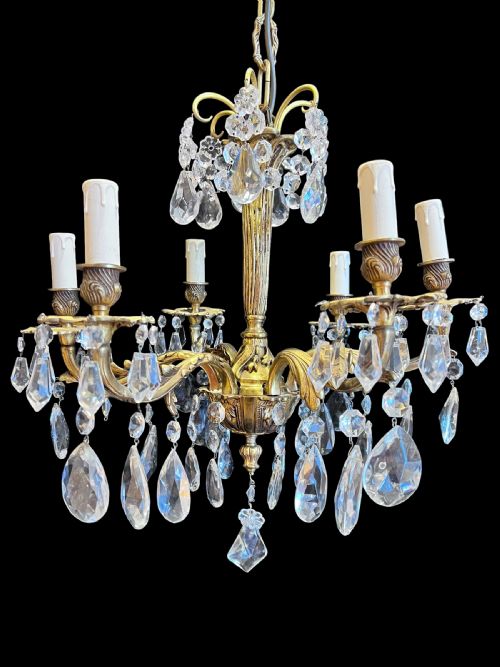
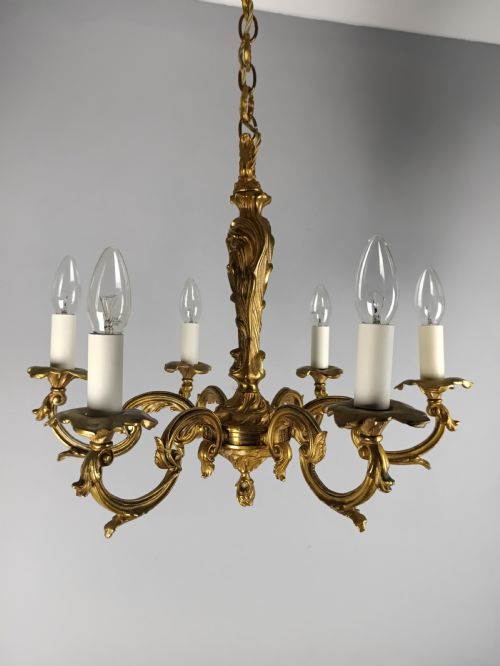
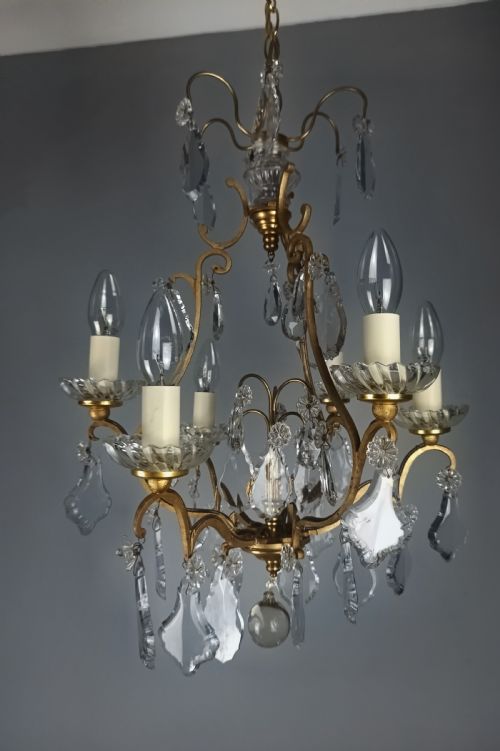
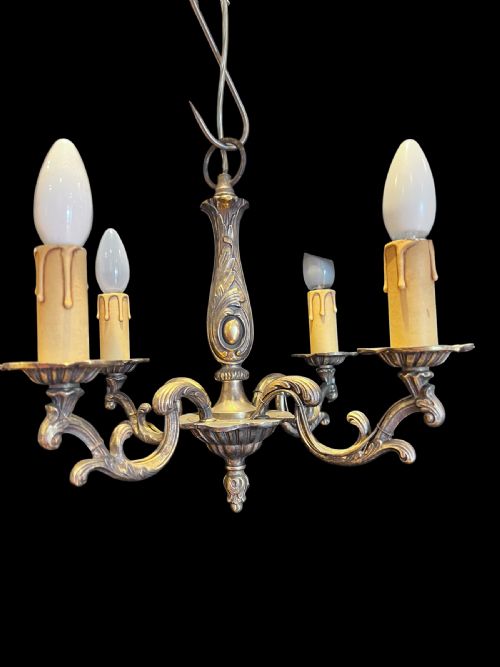
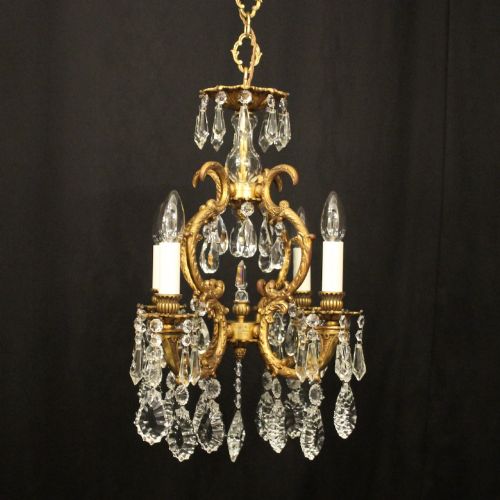
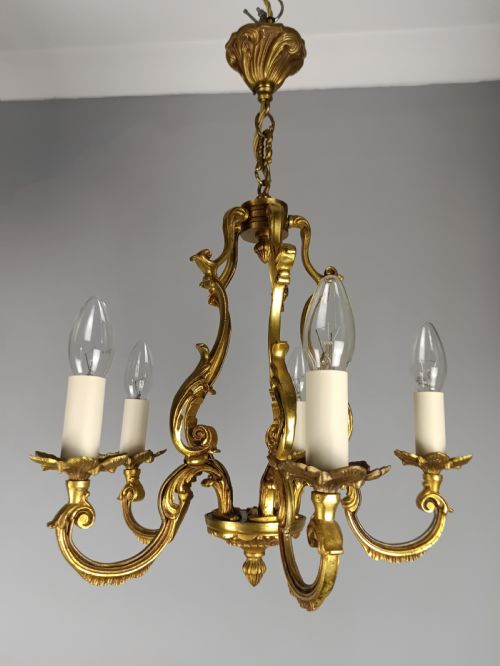
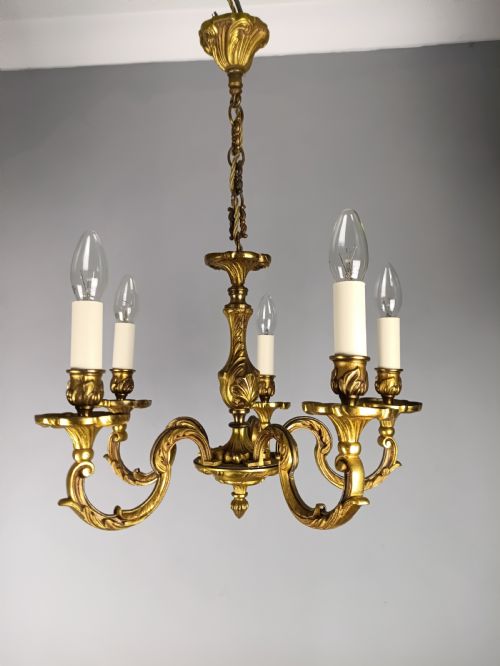
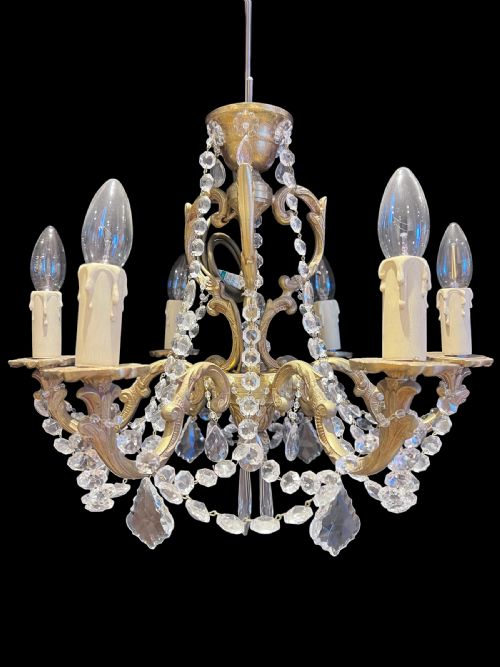
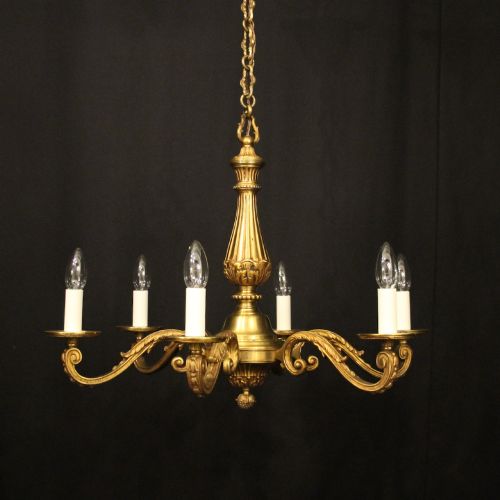
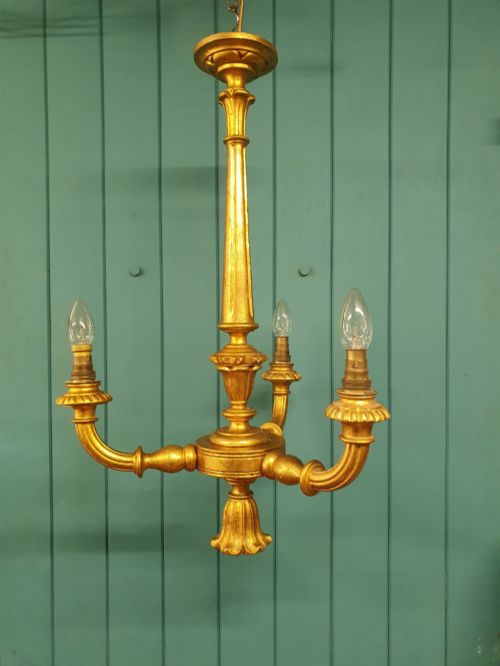
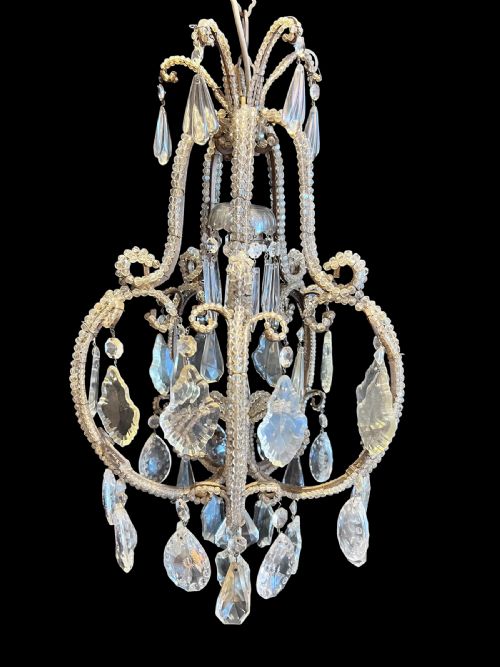
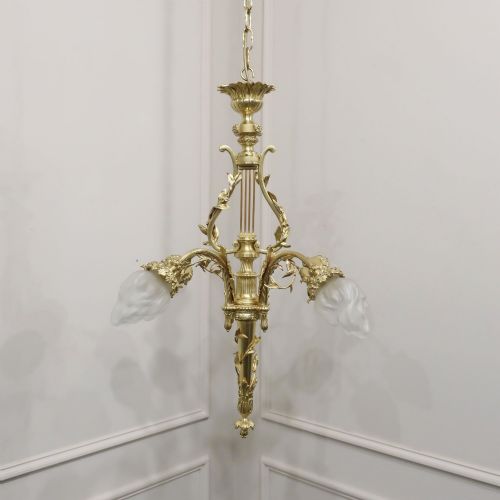
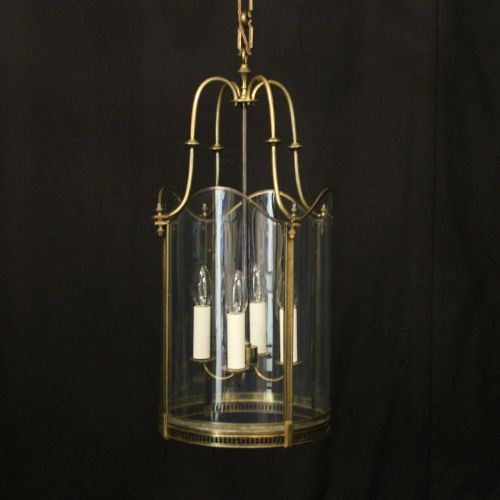
A french pendant light fixture spans multiple forms, including multi-armed chandeliers, glass globes, plafonieres and glazed hall lanterns designed for overhead suspension. The selection draws primarily from the nineteenth century, the Edwardian era and the nineteen-twenties, reflecting French Chateau, Rococo, Empire and Art Deco tastes.
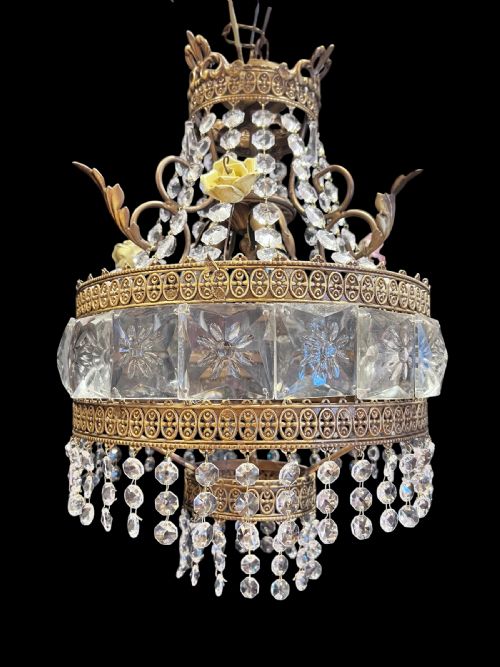
Buyers encounter gilded bronze, brass and cut crystal arrangements alongside simpler glass globes and tolewear fitted with ceramic flowers. These pieces range from compact single-light pendants to grand multi-tiered chandeliers intended for principal rooms and entrance halls.
How they were made
Makers shaped metalwork from brass, copper, bronze and gilded spelter or carved giltwood to form the structural frames and decorative mounts. These metal elements were cast, chased and gilded or patinated to achieve the desired finish.
Illumination relied on glass components such as cut crystal lustres, spikes, beads and blown glass globes that hung from the metal armatures to refract the light.
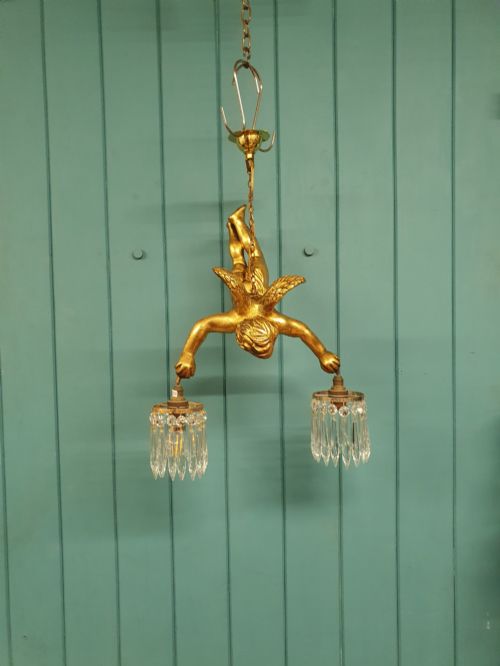
Look closely to find a gilded flying cherub sharing ceiling space with cut crystal spikes.
What varies in quality
The refinement of the casting and chasing in the metal mounts separates standard production from finer work, visible in the sharpness of leaf decoration and figural details. Heavier gauge bronze and brass provide greater structural stability to the frame.
The quality of the glass and crystal components dictates how the piece catches and disperses light, with hand-cut crystal drops offering superior clarity and brilliance compared to pressed alternatives.
Émile-Jacques Ruhlmann
The French Pendant Light Fixture Glossary
- Plafoniere
- A ceiling-mounted light fixture with a glass bowl or shade held close to the ceiling rather than suspended on a chain.
- Tent and waterfall
- A chandelier style featuring strings of crystal beads rising to a crown above a cascading lower section of drops.
- Hall lantern
- An enclosed hanging light fixture, often glazed with convex glass panels within a metal frame, designed for corridors and vestibules.
- Gilt bronze
- Metal cast in bronze and coated with a thin layer of gold or gold-coloured leaf.
- Cut glass
- Glass shaped by cutting facets into the surface to increase sparkle and light refraction.
French Pendant Light Fixture: Frequently Asked Questions
How do I hang a heavy brass chandelier safely?
Suspension requires fixing the ceiling rose directly into a structural ceiling joist using appropriate weight-bearing fixings. The electrical supply must be checked and connected by a qualified professional to ensure safety.
Heavier multi-light fixtures demand reinforced hanging chains and hooks matched to the total weight of the bronze and crystal frame.
What rooms suit a hall lantern?
Hall lanterns work well in entranceways, corridors and stairwells where their enclosed glazed panels protect the light source from draughts and passing traffic. They provide focused vertical illumination in narrow spaces.
Choosing a convex or triple-light model allows the fixture to distribute light evenly across larger transitional areas.
How do I clean crystal drops on a pendant light?
Cleaning involves wiping each crystal piece individually with a soft cloth dampened in a mild solution of warm water and gentle soap. Rinsing with clean water prevents residue buildup and maintains clarity.
Leaving the crystals attached to the frame while cleaning prevents the wire hooks from bending or breaking during handling.
How do I distinguish an Empire style fixture?
Empire style lighting draws on classical motifs, incorporating symmetrical brass or bronze mounts, laurel wreaths and star patterns. The overall silhouette tends to be architectural and disciplined.
These fixtures often date from the nineteenth century or later revivals, displaying dark bronze patination or heavy gilding.