



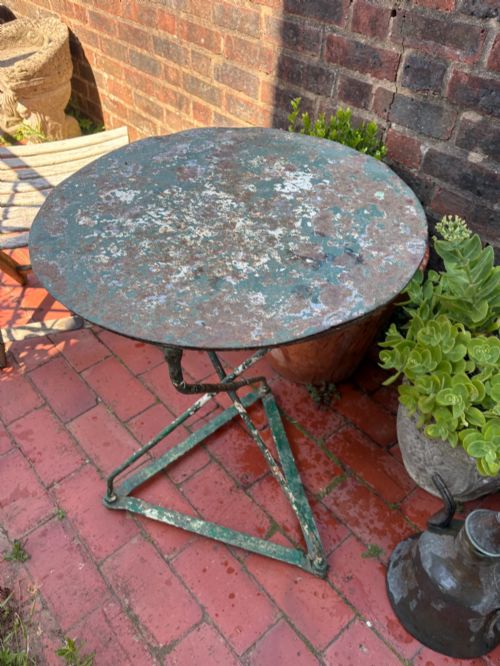


French Patio Table
These french patio table pieces bring enduring character to outdoor spaces, offering robust construction and timeless style for daily dining or quiet garden seating.
French Patio Table
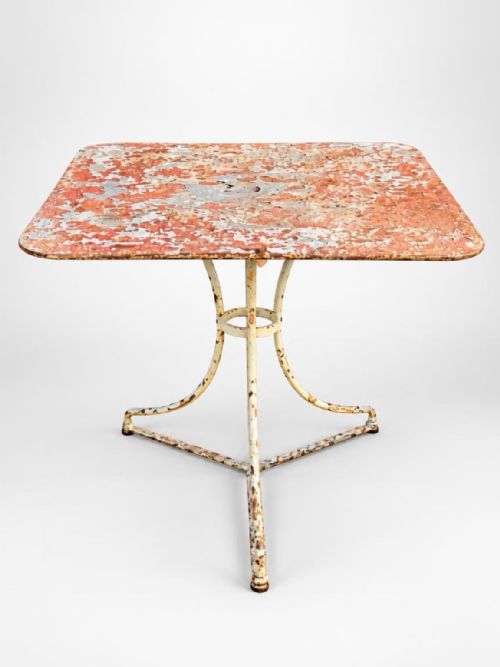
When you search for a french patio table, you are looking at durable outdoor furniture designed to withstand the elements while maintaining an elegant aesthetic. The pieces appearing here span from the late nineteenth century through to the nineteen-thirties, reflecting various regional influences.
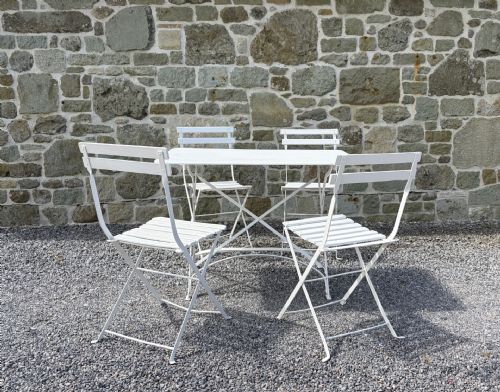
You are most likely to meet round bistro tables and rectangular garden dining sets constructed from sturdy metals. These objects originate from French country and provincial traditions, often paired with matching chairs or folding seating.
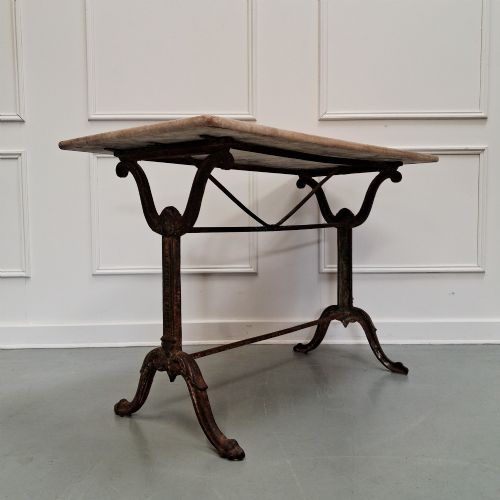
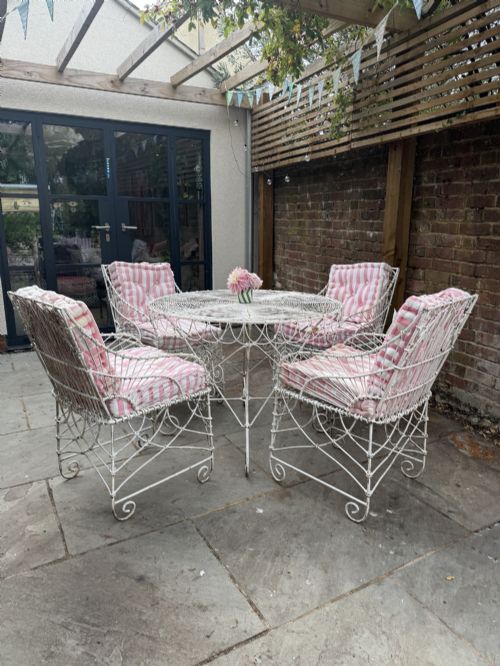
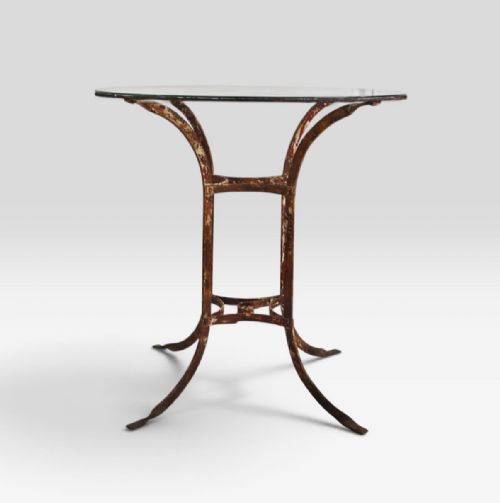
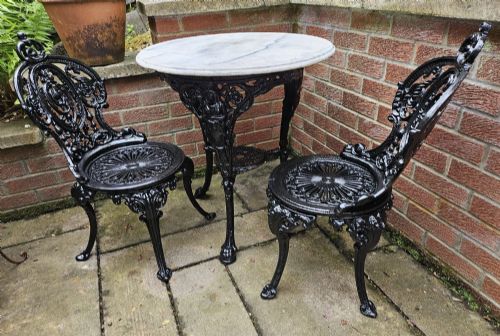
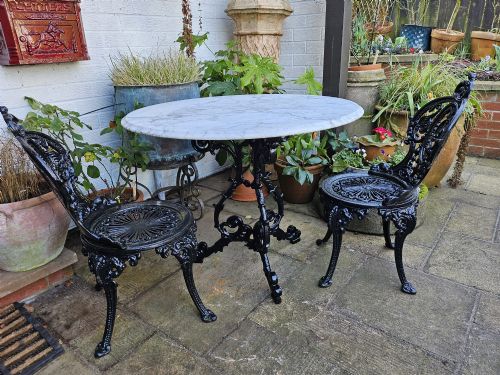
The selection includes specialised forms such as gueridon tables, wirework creations, and marble-topped café tables. Each item demonstrates the practical utility required for nineteenth and early twentieth-century outdoor hospitality.
Materials and construction
Makers utilised heavy cast iron and wrought iron to form the structural frames and decorative bases of these tables. These metals provided the necessary weight and stability for garden use.
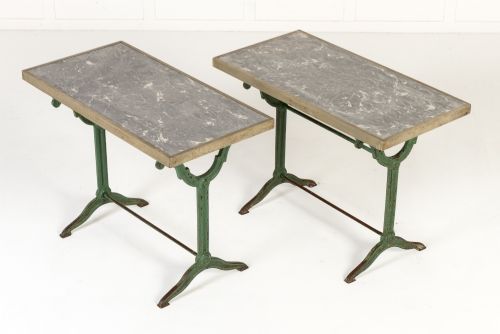
Surfaces were frequently finished with natural stone, wood, zinc, or steel plates. Marble tops appear regularly, offering a cool, durable eating surface that contrasts with the dark metal scrollwork underneath.
Painted finishes in green and white protected the underlying ironwork from weathering. Structural techniques involved traditional riveting, bolting, and wirework manipulation to secure the various components.
French Patio Table Retail Price Guide 2026
Typical asking prices for french patio table among the pieces listed under this phrase on Sellingantiques today, from the lower quarter to the upper quarter. They describe what is for sale here now, not the wider market.
Some folding chairs arrived with built-in gravity locks that practically beg you to test them outdoors.
Judging the work
Quality rests in the heaviness of the casting and the crispness of the decorative ironwork detail. Superior examples display refined proportions and clean joints where the top meets the pedestal base.
The choice of surface material elevates certain pieces above standard utility items. Thick marble slabs or intact zinc tops demonstrate a higher tier of original manufacture than simple wooden boards.
The integrity of the original paint layer and the absence of crude structural alterations determine the overall merit of the piece. Authentic period weathering holds more appeal than modern repainting.
The French Patio Table Glossary
- Gueridon
- A small round table supported by a single central pillar or column. This form was widely adopted in French cafes and salons.
- Wrought iron
- Iron that has been heated and hammered into shape by hand, resulting in a fibrous structure. This material allows for slender, curved decorative elements.
- Cast iron
- Iron poured into a mould to take on complex decorative shapes. It provides exceptional rigidity and weight for outdoor furniture.
- Wirework
- Metal rods and heavy wire bent and woven into geometric patterns. This technique defined Victorian garden furniture design.
- Bistro table
- A small café table designed for compact dining spaces. These typically feature a circular top resting on a tripod cast-iron base.
French Patio Table: Frequently Asked Questions
Can I leave my table outside all winter?
These metal and stone pieces were built to withstand the elements, enduring decades of outdoor exposure in gardens and courtyards.
However, severe frost can affect stone tops and painted finishes, so moving them under cover during the coldest months helps preserve their condition.
How do I clean a marble topped table?
Wash the surface gently with warm water and a mild, non-abrasive soap to remove seasonal dirt and grime.
Avoid harsh chemical cleaners or acidic substances that might etch the polished stone surface or damage the surrounding iron frame.
Are folding chairs period appropriate?
Folding chairs frequently accompanied nineteenth and early twentieth-century garden sets to allow for easy storage when not in use.
They share the same iron construction methods as the tables, making them a historically correct pairing for outdoor dining.
How do I identify a nineteenth century piece?
Examine the construction methods, such as hand-forged joins, early casting marks, and the specific composition of the metal.
Pieces from this era often display heavier proportions and distinctive wirework or strapp work patterns compared to later twentieth-century iterations.