



French Parcel Gilded Mirror
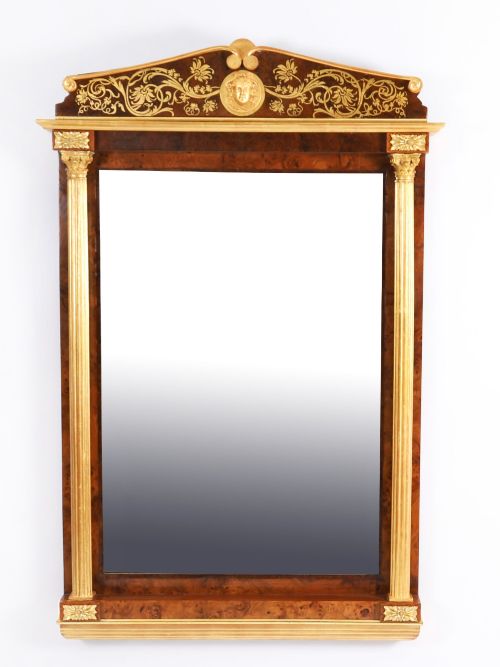
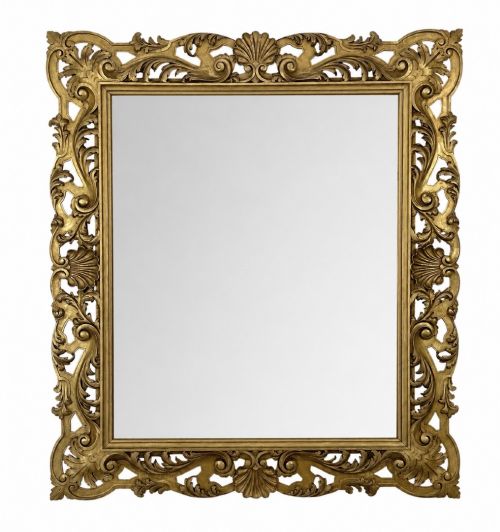
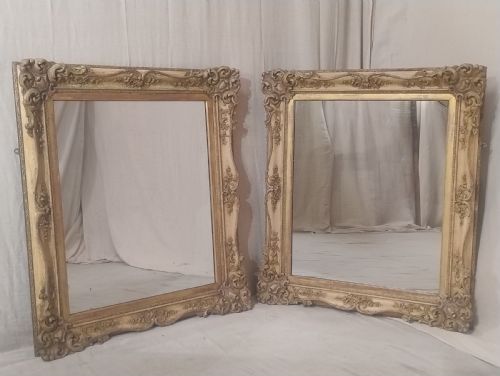
A french parcel gilded mirror brings warmth and reflecting light into a room through selective gold leaf highlighting carved wood or painted surfaces.
French Parcel Gilded Mirror
A french parcel gilded mirror is typically found in large wall or overmantel formats dating from the eighteenth century to the early twentieth century. Buyers seeking this style encounter substantial rectangular, oval, and arched forms created in the Rococo revival, French neoclassical, or Victorian idioms.
The selection includes trumeau mirrors designed to sit above mantelpieces or within wall panelling, alongside floor-standing shelves incorporating gilded accents. Most examples span the nineteenth century, featuring carved frames finished with paintwork and partially applied gold leaf.
How they were made
Frames rely on timber foundations shaped with carved wood, gesso, and plaster to build up ornate decorative motifs. Artisans applied gold leaf selectively to raised carved details while painting or ebonising the surrounding flat sections.
Mirrors use traditional silvered mirror glass set within heavy timber structures such as oak or softwoods. Surface finishes combine gold leaf with painted or dark ebonised grounds to create contrast across the frame.
French Parcel Gilded Mirror Retail Price Guide 2026
Typical asking prices for french parcel gilded mirror among the pieces listed under this phrase on Sellingantiques today, from the lower quarter to the upper quarter. They describe what is for sale here now, not the wider market.
Even a grand French mirror occasionally needs to lean back against a wall rather than hang, just to catch the afternoon light properly.
What varies in quality
The standard of a french parcel gilded mirror depends on the depth and crispness of the hand-carved wood beneath the gesso and gold leaf. Finer examples retain their original painted surfaces and intact parcel-gilt highlights without heavy restoration.
Proportion and scale distinguish grander architectural overmantel pieces from simpler domestic mirrors. The harmony between the original mirror glass and the carved frame dictates the overall character of the piece.
The French Parcel Gilded Mirror Glossary
- Parcel-gilt
- A decorative treatment where only specific portions of an object are covered in gold leaf, leaving the rest painted, stained, or exposed. This technique highlights carved details against a contrasting background.
- Trumeau
- A decorative wall mirror or panel designed to fit into the space between windows or above a fireplace. These often incorporate painted scenes or architectural mouldings within eighteenth or nineteenth century French interiors.
- Gesso
- A plaster-like mixture applied to wood frames to create a smooth surface for subsequent gilding and carving. It allows craftsmen to model intricate relief details before laying gold leaf.
- Giltwood
- Timber that has been decorated with a thin layer of gold leaf applied over a prepared ground. It provides a luminous finish that reflects candlelight and natural daylight.
- Overmantel mirror
- A large mirror specifically proportioned to hang directly above a mantelpiece or fireplace surround. These items anchor the vertical space of a chimney breast.
French Parcel Gilded Mirror: Frequently Asked Questions
Where should I hang a large overmantel mirror?
These pieces sit naturally above a fireplace mantelpiece where their generous proportions reflect light across the room. They also function effectively on principal living room walls as a focal point.
Ensure the wall construction securely supports the substantial weight of carved timber and glass frames.
How do I identify a nineteenth century French mirror?
Look for characteristic stylistic cues such as Rococo revival scrolls, neoclassical symmetry, or ebonised and parcel-gilt colourways. Construction methods often include traditional joinery and period mirror glass with subtle foxing.
Examining the backboards and preparation layers helps confirm the age of the frame.
What is a trumeau mirror?
A trumeau is a decorative wall mirror traditionally integrated into interior architectural schemes between windows or above fireplaces. French examples frequently combine painted woodwork with parcel-gilt detailing.
They bring distinct continental character and vertical emphasis to a wall.
How do I care for antique giltwood frames?
Dust the carved surfaces gently with a soft, dry brush to prevent the accumulation of dirt within the intricate gesso relief. Avoid using liquid cleaners or abrasive cloths that can damage the delicate gold leaf.
Keep the mirrors away from direct sunlight and damp environments to protect the wood and silvered glass.