




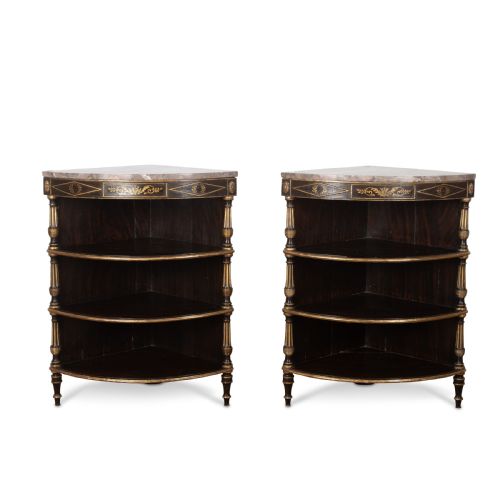

French Painted Shelving
French painted shelving brings architectural character and soft colour to a room, offering practical display space through antique wall shelves, bookcases and cabinets.
French Painted Shelving
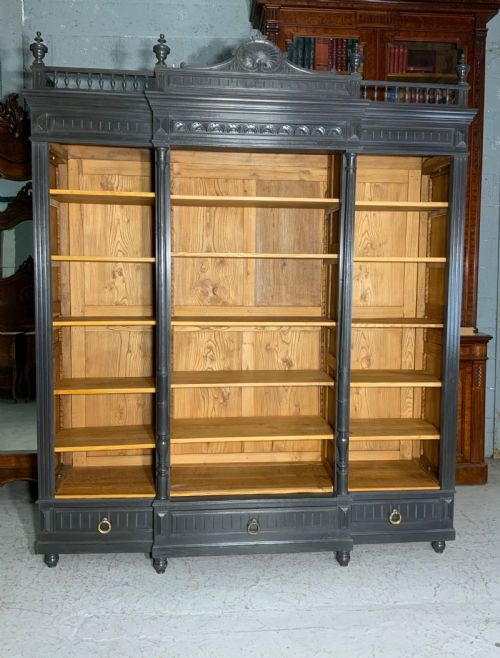
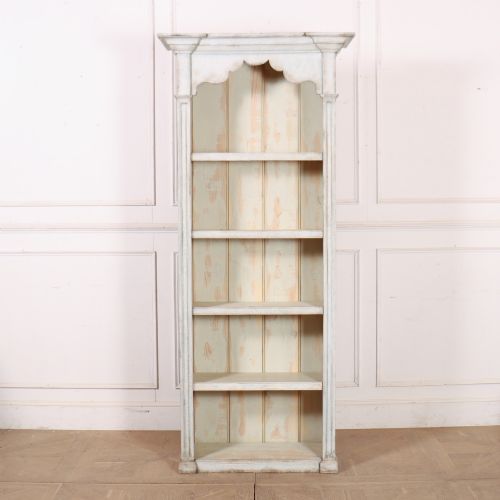
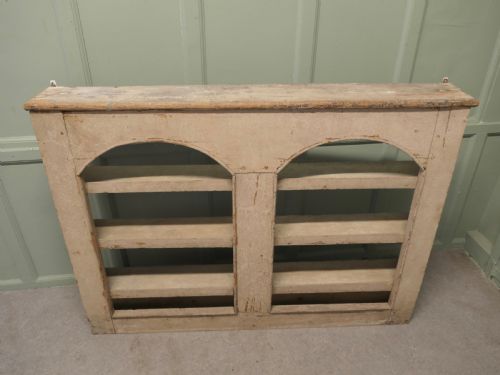
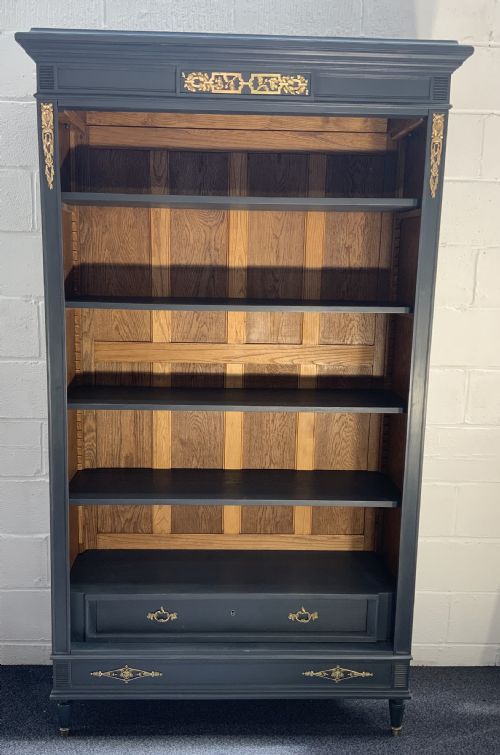
When you search for french painted shelving, you are looking at functional storage pieces originating from France, spanning the nineteenth and early twentieth centuries. These items range from wall-mounted étagères and open bookcases to floor-standing cupboards, pot stands and bakers racks.
The pieces on this page most frequently appear in painted wood, pine and wrought iron, often finished in pale tones, antique white, cream or gold leaf. Styles lean towards French provincial, country, chateau and rococo revival, bringing decorative utility to modern interiors.
Forms vary from compact hanging shelves with multiple tiers to large nineteenth century bookcases and alcove cupboards. Each piece provides open display or enclosed storage while maintaining a distinct historical profile.
How they were made
Makers utilised solid timbers such as pine and mahogany, constructing carcasses with traditional joinery before applying layers of paint, often with parcel gilt or ebonised details. Surfaces received protective and decorative coatings that have aged over decades.
Metal elements like wrought iron and brass appear frequently on bakers racks, pot stands and hanging shelves, providing structural support alongside decorative embellishments. Marble tops and brass mounts are integrated into specific console tables and cabinets to add durability and refinement.
A field kitchen dresser brings the rugged charm of an old French mess hall straight into your dining room.
What varies in quality
Quality rests in the integrity of the timber framing and the authenticity of the surface finish. Pieces featuring hand-carved details or original layered paintwork demonstrate superior craftsmanship compared to later or simpler iterations.
The integration of secondary materials like marble tops, brass mounts and wrought iron fittings distinguishes standard utility items from finer decorative pieces. Proportions and the balance of decorative elements dictate the overall success of each design.
Dubois of Lyon
The French Painted Shelving Glossary
- Étagère
- An open piece of furniture with shelves for displaying small objects or books. These wall-mounted or freestanding units often feature decorative revival styling.
- Baker's rack
- A tall metal or wooden shelving unit originally used in commercial food preparation. Antique examples incorporate heavy wrought iron and painted finishes.
- Whatnot
- A multi-tiered open shelving unit designed for displaying ornaments. These slender pieces were popular for making use of corner or wall space.
- Alcove shelving
- Fitted or freestanding storage designed to sit within a wall recess. These units maximise awkward architectural spaces in period rooms.
- Parcel gilt
- A decorative technique where specific carved details or mouldings are highlighted with gold leaf over a painted base.
French Painted Shelving: Frequently Asked Questions
How do I clean painted antique shelves?
Dust surfaces gently with a soft, dry cloth to protect fragile nineteenth-century paint finishes. Avoid liquid cleaners and harsh chemicals that can strip original or aged decorative layers.
For stubborn marks, use a barely damp cloth with mild soap, drying the timber immediately afterwards.
Are these shelves suitable for heavy books?
Many wall-mounted or lighter decorative shelves are designed for ornaments and display rather than heavy libraries. Floor-standing bookcases and solid pine cupboards offer robust support for heavier volumes.
Check the shelf thickness and construction methods before loading any antique unit with substantial weight.
How can I tell the period of painted furniture?
Examine the timber construction, fixings and the character of the paint layers to estimate age. Nineteenth-century pieces typically show hand-cut joinery and authentic surface wear consistent with decades of use.
Stylistic cues such as rococo revival curves or neoclassical symmetry also help narrow down the decade of manufacture.
Where should I place a wall étagère?
Hang wall étagères in living rooms, hallways or bedrooms where they can hold small collections without cluttering floor space. Ensure the wall fixings are secured into solid studs or masonry to support the weight safely.
Keep them away from direct sunlight and moisture to preserve the painted and gilded surfaces.