
French Painted Ceramic
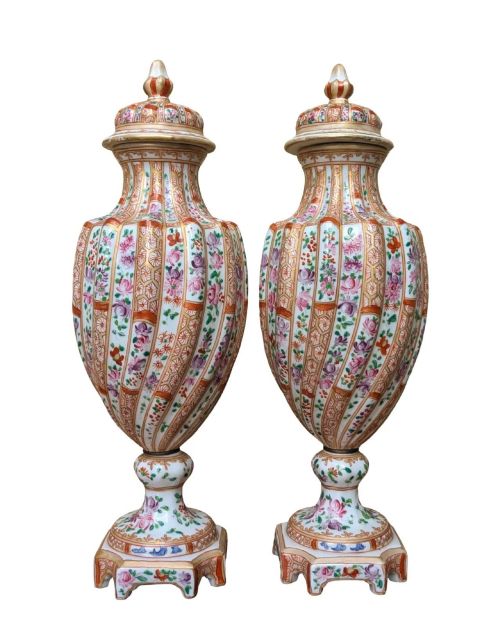
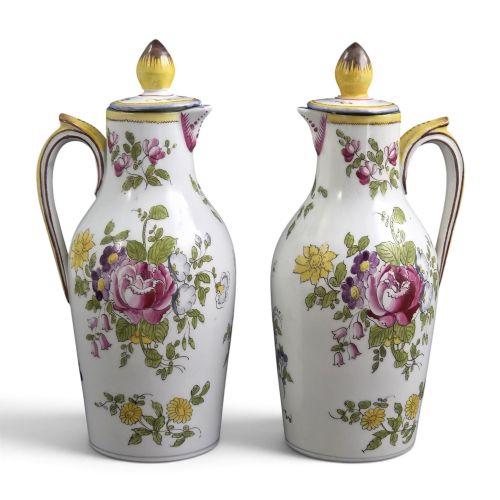
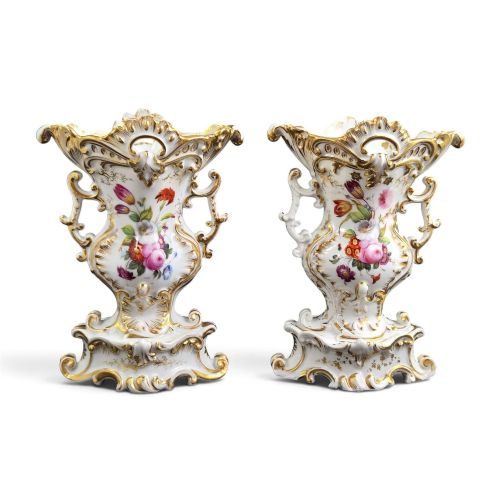
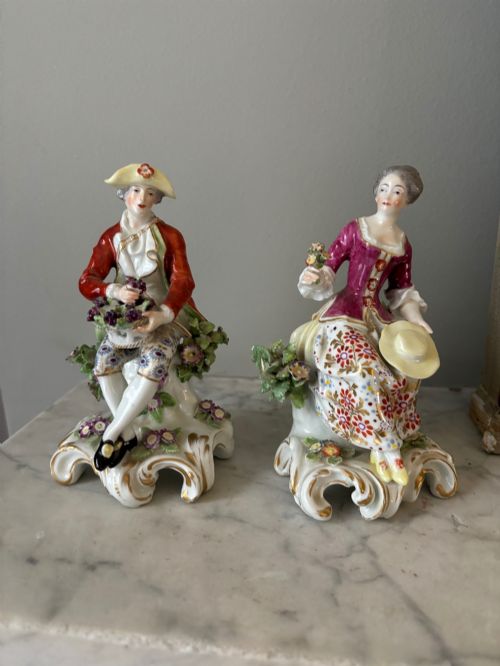
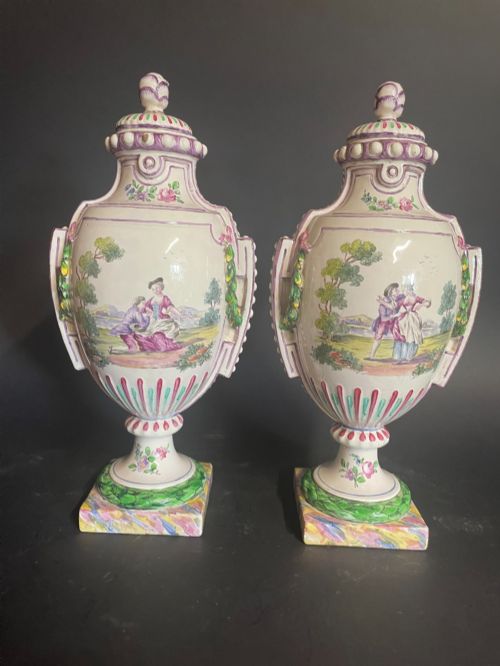
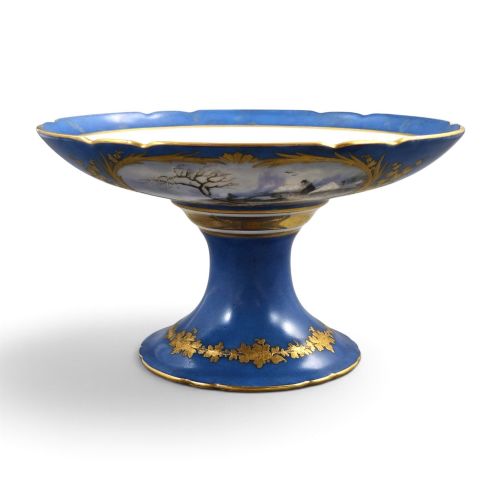
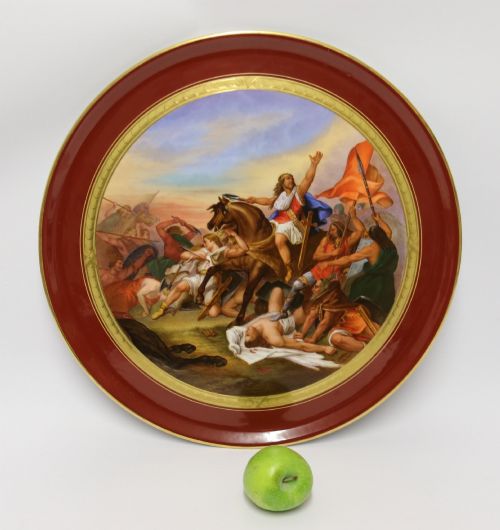
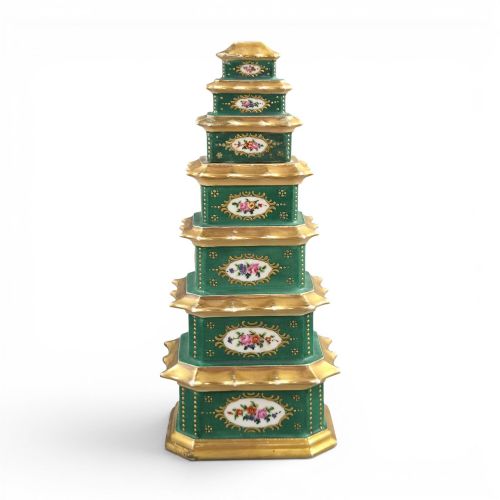
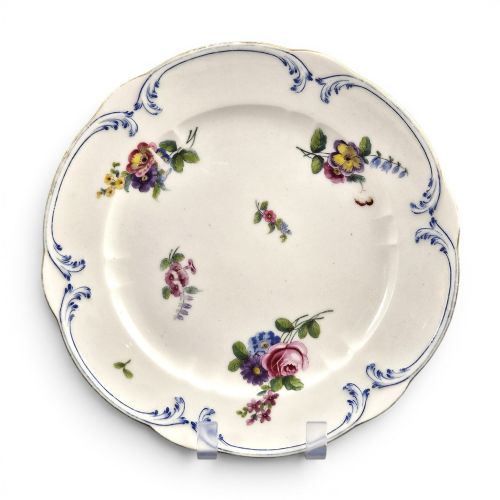
These french painted ceramic pieces encompass decorative plates, vases, and figures spanning the eighteenth and nineteenth centuries.
French Painted Ceramic
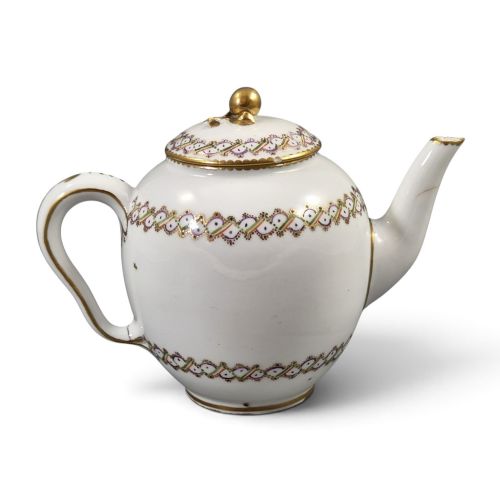
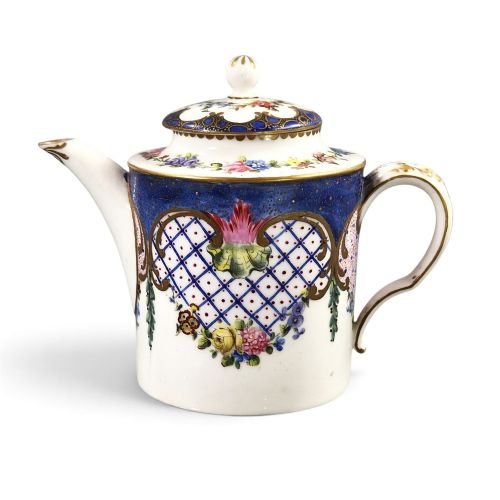
When you search for french painted ceramic, you encounter objects shaped from earthenware, soft-paste porcelain, and tin-glazed faience. The selection on this page centres on domestic and ornamental forms ranging from eighteenth-century teapots to late nineteenth-century vases and chargers.
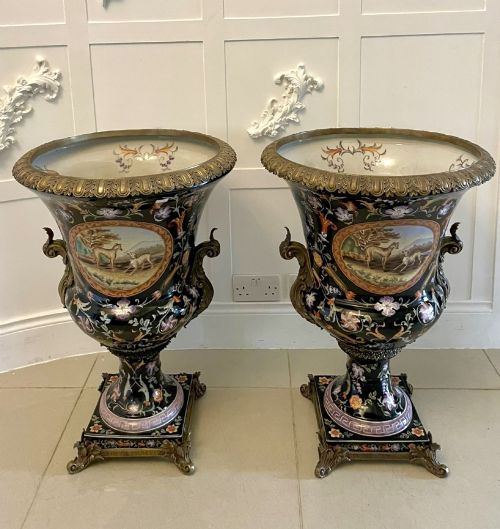
The material origins trace through historic ceramic centres such as Sèvres, Paris, Limoges, and Desvres. Domestic vessels include lidded dishes, teapots, and apothecary jars alongside figural groups and decorative urns.
Makers and factories utilised traditional moulding and hand-painting methods across periods spanning the Louis XV reign through to the late nineteenth century. Collectors find both soft-paste porcelain decorated with gilt detailing and tin-glazed earthenware bearing regional motifs.
How they were made
Potters shaped porcelain, earthenware, and faience pastes before applying lead or tin glazes to form a smooth surface for hand painting. Artisans used enamel colours, cobalt blue, and gold leaf to ornament plates, vases, and boxes.
Many items underwent multiple kiln firings to set the underglaze painting, overglaze enamel details, and final gilding. Brass mounts and gilt bronze fittings were added subsequently to enrich certain decorative urns and caskets.
Object forms represented across the inventory include teapots, apothecary jars, figural groups, and decorative dishes.
What varies in quality
The standard of hand painting dictates the distinction between standard commercial wares and exceptional factory productions. Precision in brushwork, particularly on figurative scenes and botanical depictions, reveals the hand of a skilled ceramic painter.
The refinement of the ceramic paste, whether soft-paste porcelain or tin-glazed earthenware, influences the clarity of the finished glaze and the crispness of moulded relief details. Preservation of original gilding and matched factory marks further separate notable pieces from ordinary examples.
Jacob Petit·Fourmaintraux-Courquin·Edme Samson·Ambroise Michel·Joseph-Gaspard Robert·Bourdois and Bloch
The French Painted Ceramic Glossary
- Faience
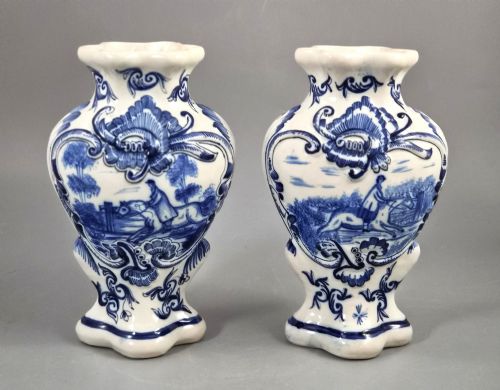
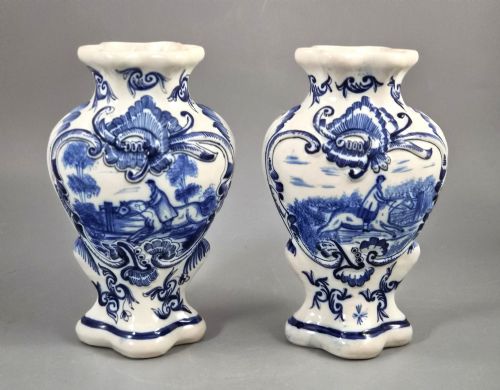
- Tin-glazed earthenware produced in France and other European regions, often featuring hand-painted cobalt blue or polychrome folk motifs. This technique creates an opaque white surface suitable for detailed brushwork.
- Soft-paste porcelain
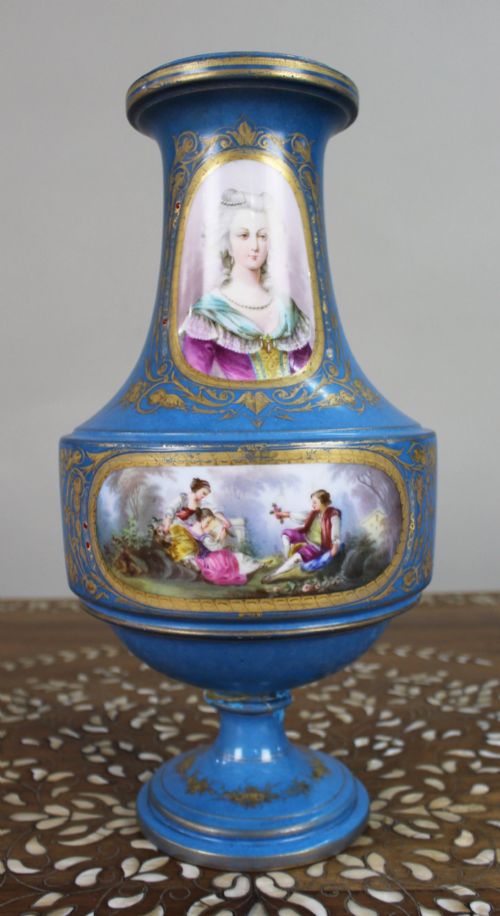
- A vitrified ceramic composition fired at lower temperatures than hard-paste porcelain, common in eighteenth-century French factory productions. It possesses a warm glaze texture that absorbs enamels distinctively.
- Gilt
- A thin application of gold leaf or gold paint used to highlight rims, handles, and raised ceramic details. Artisans applied gilding to enhance the decorative opulence of nineteenth-century tablewares and display objects.
- Jardinière
- An ornamental pot or stand designed to hold live plants or floral arrangements. These ceramic vessels often incorporate brass mounts and detailed painted scenes.
- Charger
- A large decorative plate or platter intended for display rather than table service. They frequently showcase elaborate historical or floral paintings across the central well.
French Painted Ceramic: Frequently Asked Questions
What is the difference between faience and porcelain?
Faience utilises a tin-glazed earthenware body which creates an opaque, slightly porous base for painted folk designs. Porcelain is a finer, vitrified ceramic material fired at higher temperatures to achieve a non-porous, translucent structure.
Porcelain allowed factories like Sèvres to produce delicate tableware and gilded display pieces. Faience remained popular for regional wares featuring bold blue and white patterns.
How do I identify eighteenth century pieces?
Eighteenth century items often display soft-paste porcelain bodies with hand-painted polychrome scenes and specific royal period traits. Glaze characteristics and historical factory marks assist in determining the date of manufacture.
Examining the base for underglaze cipher marks provides direct evidence of origin. Pieces from this era typically exhibit lighter potting and distinct enamel palettes associated with Louis periods.
Where were most of these ceramics made?
Production centres were concentrated around Paris, Limoges, Sèvres, and regional towns like Desvres and Quimper. Each location developed distinct traditions in clay preparation and glaze formulation.
Parisian studios specialised in highly decorative gilt wares and figures, while Quimper workshops focused on hand-painted tin-glazed earthenware. Factory marks stamped into the ceramic body usually reveal the specific town of manufacture.
How should I care for painted ceramic items?
Painted ceramics require gentle handling and protection from abrasive cleaning agents that can damage overglaze enamels and gold leaf. Dusting with a dry, soft cloth maintains the surface without risking the historic glaze.
Displaying pieces away from direct sunlight prevents the fading of delicate painted pigments. Items with brass mounts benefit from careful placement in stable humidity environments.