


French Painted Buffet
A french painted buffet brings rustic continental character and practical storage to a room through weathered surface finishes and substantial timber construction.
French Painted Buffet
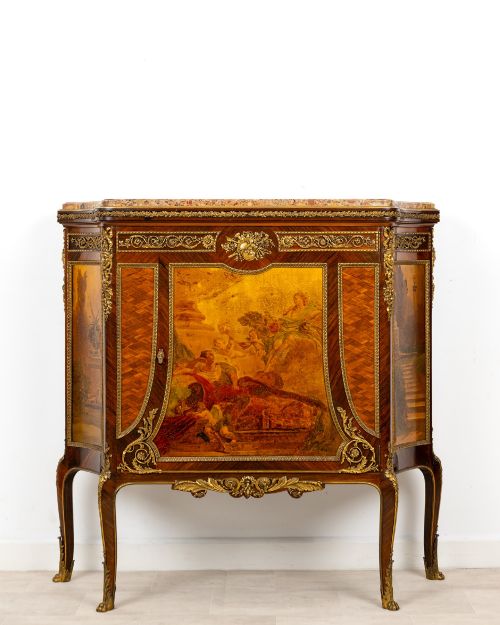
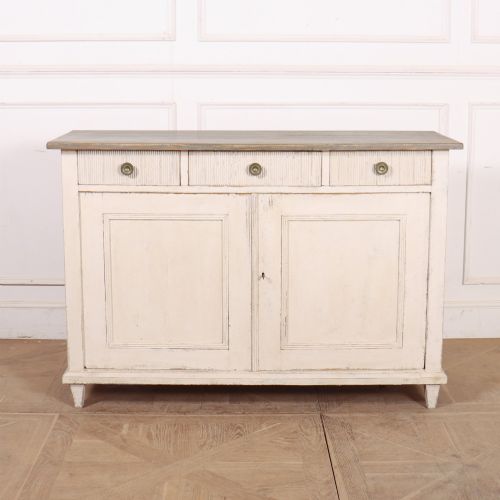
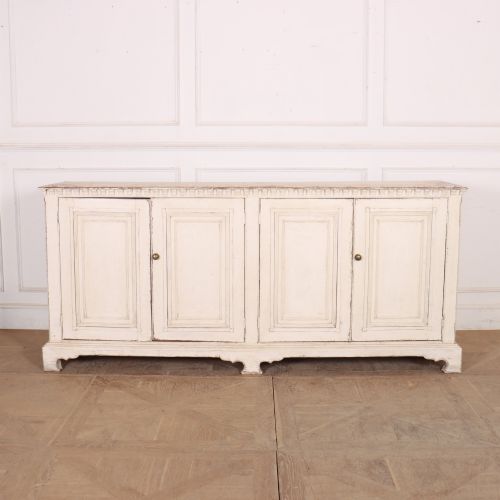
A french painted buffet is a substantial storage piece originating from continental dining rooms and kitchens, designed with cupboards and drawers for domestic utility. These items range from grand eighteenth-century double-body units to nineteenth-century enfilades and regional sideboards bearing historic pigment layers.
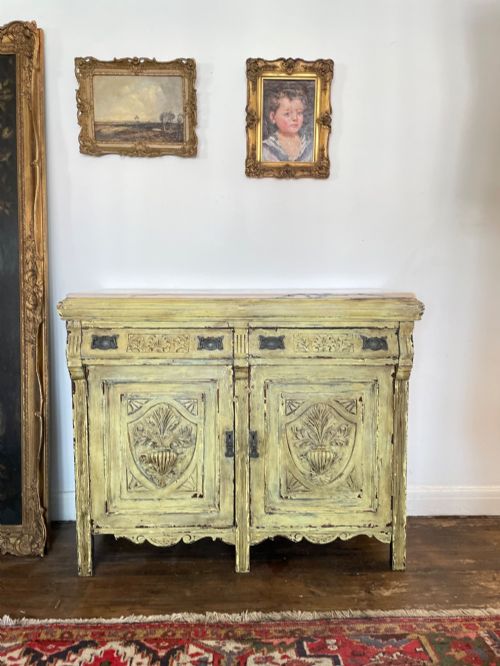
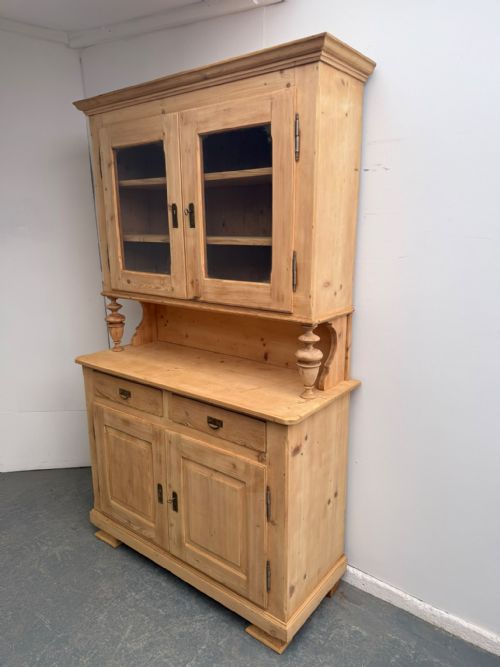
The most frequent examples encountered here belong to the nineteenth century, including painted pine kitchen dressers, walnut sideboards, and provincial cabinets showing distressed surface patination. Makers sometimes utilised neoclassical or Louis XV revival motifs alongside hand-painted decoration to elevate the primary timber structure.
How they were made
Construction relies upon solid timbers such as pine, oak, and walnut, joined using traditional cabinet-making methods suited to heavy domestic use. Iron hinges, brass mounts, and occasionally pink or white marble tops complete the primary carcase.
Surface decoration involves historical paint layers applied directly to wood, sometimes complemented by gilt-bronze, ormolu, or hand-painted details on panel doors. Finish longevity depends upon the adherence of early mineral and oil pigments to the underlying timber substrate.
Listings feature painted wood, pine, oak, walnut, marble, and brass across nineteenth and eighteenth-century periods.
What varies in quality
Quality differentiates itself through the integrity of the original timber frame and the survival of authentic early paint surfaces rather than later decorative overpainting. Structural proportion and regional joinery detail distinguish modest provincial workshop output from ambitious cabinet-maker commissions.
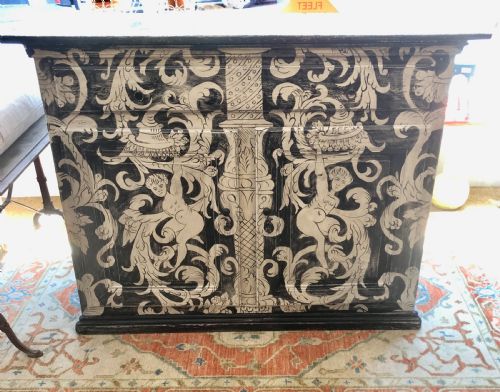
The presence of integrated marble tops, cast brass hardware, and sophisticated decorative motifs such as Vernis Martin or grotesque painted scenes elevates certain pieces above standard utilitarian storage items.
François Linke·Melissa White
The French Painted Buffet Glossary
- Buffet à deux corps
- A tall two-part storage cabinet featuring an upper display section resting upon a deeper lower sideboard base. This large provincial form provided secure storage for household linens and tableware.
- Enfilade
- A long low sideboard or cabinet featuring a continuous row of cupboards and drawers across the front facade. These long storage units were designed for formal dining rooms.
- Vernis Martin
- A decorative European lacquer technique mimicking Asian lacquer finishes using polished resin varnishes. It appears on high-status nineteenth-century cabinet work.
- Tole-peinte
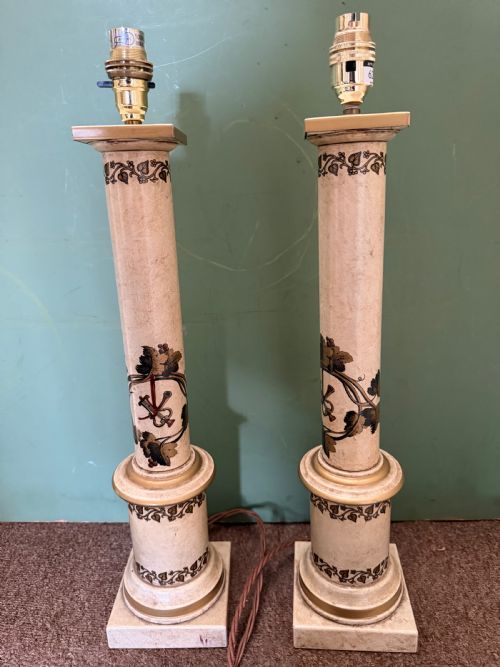
- Painted sheet metal used to form decorative objects and lighting components such as column lamps. The surface typically displays hand-applied pigments over a primed metal base.
- Ormolu
- Gilded bronze metalwork applied as decorative mounts and hardware on fine furniture and lighting. The material provides metallic contrast against painted timber surfaces.
French Painted Buffet: Frequently Asked Questions
What is a french painted buffet?
A french painted buffet is a wooden storage cabinet featuring cupboards and drawers, finished with historical paint layers. These pieces served as practical furniture in continental kitchens and dining spaces.
Today, they function as statement sideboards in modern interiors, offering enclosed shelving while introducing provincial texture and colour to a room.
How do I date a painted buffet?
Dating relies upon examining construction methods, timber types, and the composition of the paint layers. Eighteenth-century examples often feature heavier planking and hand-cut joinery.
Nineteenth-century pieces frequently display revival styles, factory-made hardware, and machine-sawn secondary timbers alongside period decorative motifs.
How do I care for the painted finish?
Maintenance requires keeping the furniture away from direct sunlight and fluctuating humidity to prevent the historic paint from flaking or the timber from warping. Dusting with a soft dry cloth preserves the fragile surface.
Avoid using modern chemical cleaning sprays or abrasive polishes, which can strip away original historic pigments and surface patination.
Where should I place a buffet?
These large storage items suit dining rooms, large hallways, or living spaces where they can function as display surfaces and functional storage cupboards. Ensure adequate wall clearance for taller double-body units.
Allow the piece sufficient room to stand as a focal point, pairing it with complementary lighting or ceramics on the top surface.