

French Outdoor Table
These french outdoor table examples bring enduring style and practical surface space to gardens, terraces, and conservatories alike.
French Outdoor Table
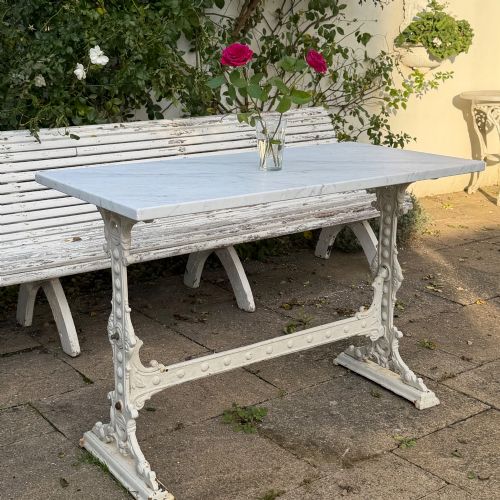
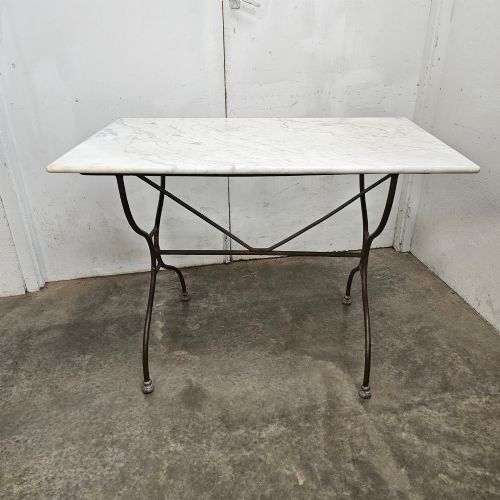
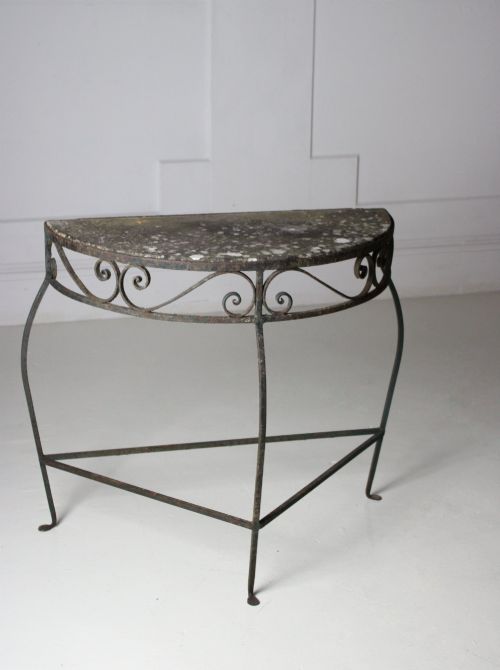
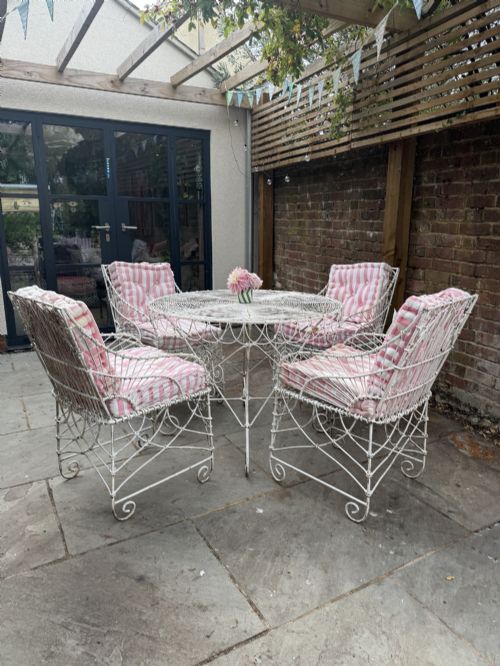
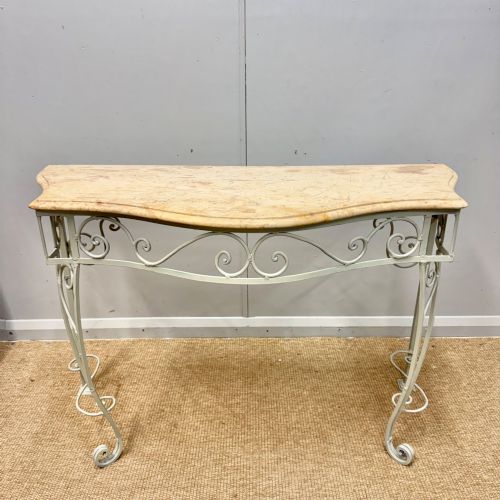
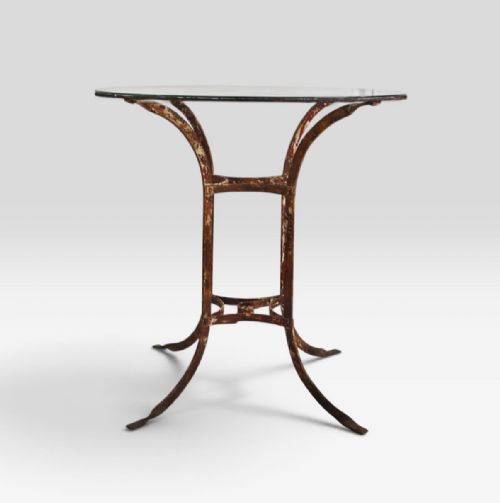
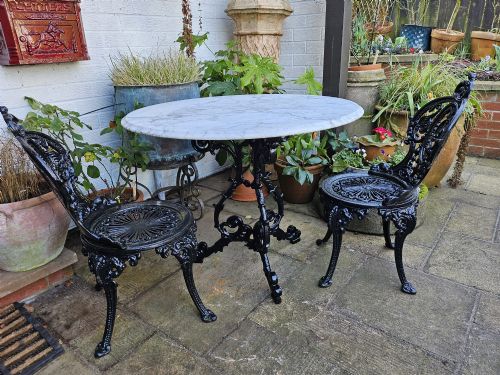
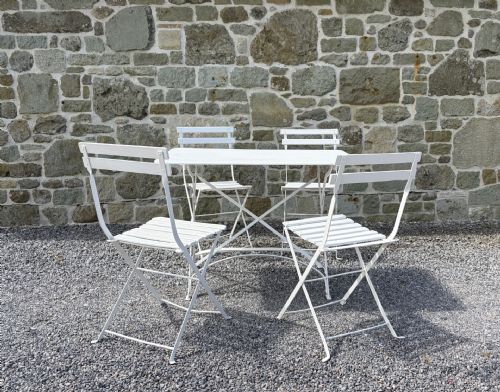
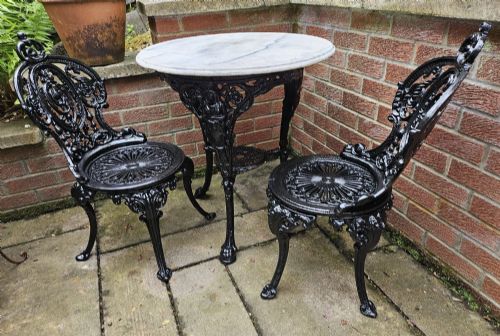
A french outdoor table selection comprises versatile garden and bistro pieces designed for exterior use, spanning the nineteenth and early twentieth centuries. Buyers seeking a french outdoor table encounter varied forms including console tables, folding tables, and full dining sets complete with matching chairs.
The inventory on this page showcases items styled in the French country, bistro, provincial, and industrial traditions. These tables suit both garden lawns and interior conservatories, offering robust utility paired with distinct period character.
How They Were Made
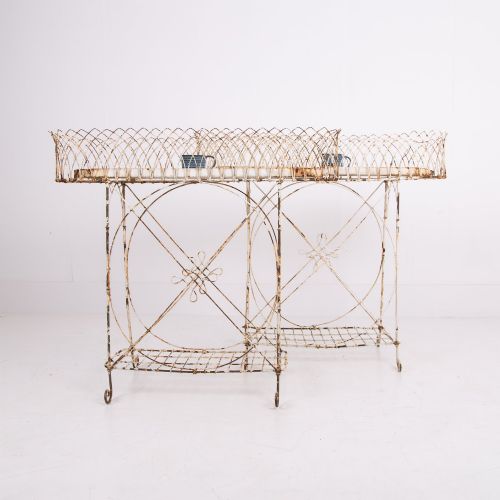
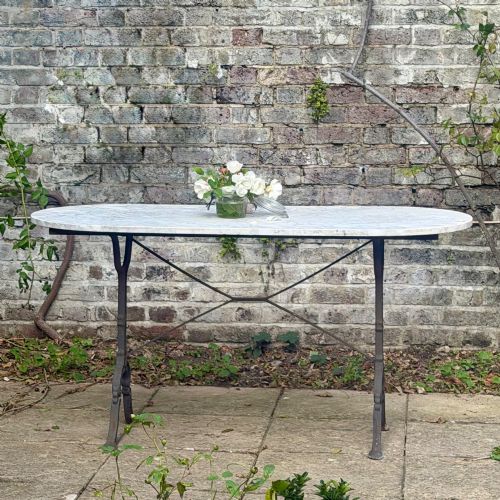
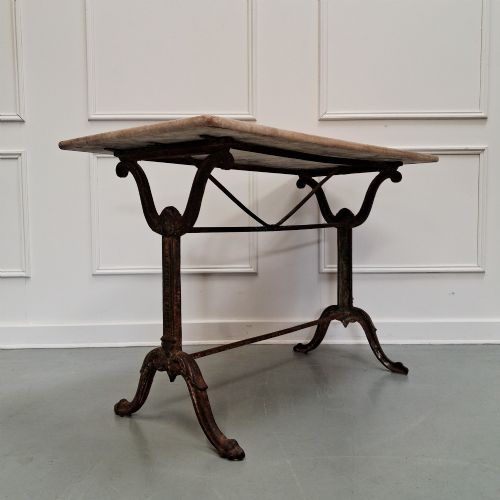
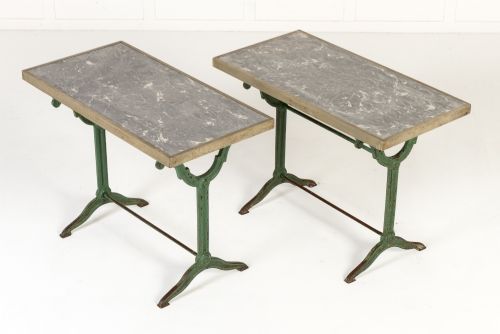
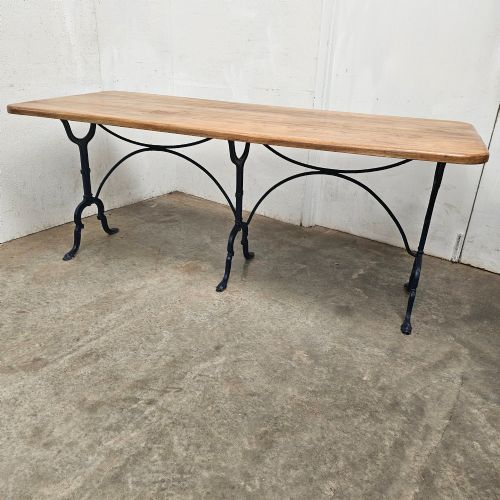
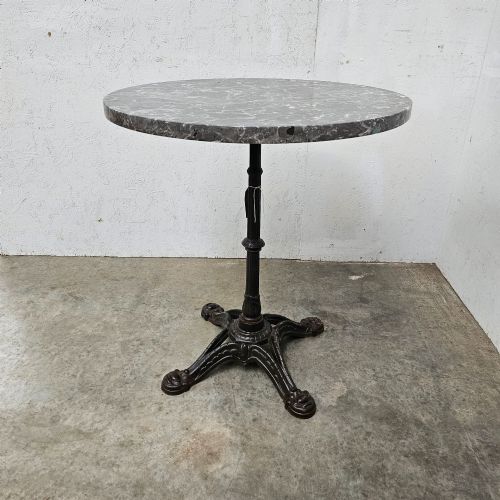
Construction relies heavily on durable metals such as cast iron, wrought iron, and steel, frequently paired with smooth marble tops or robust wooden surfaces like elm. Artisans utilised heavy casting techniques for ornate table bases and sturdy wirework for structural framing.
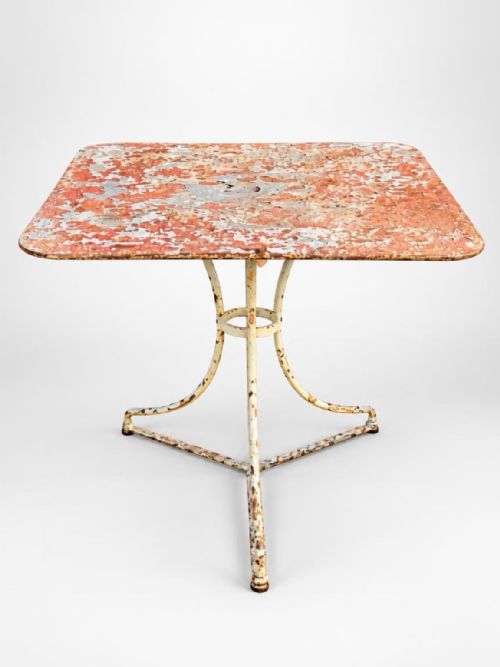
Surfaces often feature protective coats of paint or weathered zinc finishes designed to withstand the elements. Joinery and metalwork reflect the industrial and provincial standards of the nineteenth and early twentieth centuries.
French Outdoor Table Retail Price Guide 2026
Typical asking prices for french outdoor table among the pieces listed under this phrase on Sellingantiques today, from the lower quarter to the upper quarter. They describe what is for sale here now, not the wider market.
Materials across these listings span cast iron, wrought iron, marble, wood, steel, wirework, and zinc.
What Varies In Quality
Quality depends upon the integrity of the materials, particularly the weight and casting crispness of the iron bases and the thickness of the marble or wooden tops. Superior examples maintain stability without excessive wobble, retaining original surface patinas rather than modern over-restoration.
The refinement of the decorative ironwork and the coherence of matching chair sets influence the overall distinction of the piece. Craftsmanship shows in the seamless fit between heavy stone slabs and their metal supports.
The French Outdoor Table Glossary
- Bistro table
- A small café or garden table, typically round or square, designed for compact seating. These tables often feature a central cast iron pedestal or four slender legs.
- Console table
- A wall-mounted or freestanding narrow table, frequently topped with marble and supported by decorative cast iron legs. They serve well in hallways, gardens, and conservatories.
- Wrought iron
- Iron that has been heated and hammered into shape by hand, resulting in strong, fibrous structural elements with subtle surface variations. It forms the basis of many traditional garden frames.
- Strapp work
- A decorative metal technique forming interlaced strap-like bands or patterns. This style appears on select garden tables from the early twentieth century.
- Wirework
- Metal construction utilising interwoven heavy wire mesh or rods. This technique creates lightweight yet durable garden tables and chairs popular in the late nineteenth century.
French Outdoor Table: Frequently Asked Questions
Can I leave these tables outside all year?
Most metal and stone pieces handle outdoor conditions well due to their robust construction. However, protecting marble and wooden elements during harsh winter months preserves their finish.
Regular cleaning prevents debris buildup and maintains the protective surface coatings found on iron and steel frames.
How do I clean a marble top?
Use mild soap and warm water with a soft cloth to wipe down the stone surface. Avoid abrasive cleaners or acidic substances that can etch the marble.
Dry the top thoroughly after washing to prevent water spotting and maintain the stone's natural sheen.
Are these tables heavy to move?
Cast iron bases and marble tops add considerable weight to many of these tables. This mass provides stability on uneven garden lawns but requires care when relocating.
Folding designs and wirework alternatives offer lighter options that are easier to store during colder seasons.
How do I identify the period?
Dating relies on material use, casting styles, and construction techniques typical of nineteenth or early twentieth-century manufacturing. Industrial ironwork and wirework often point to specific decades.
Victorian and Edwardian examples display distinct decorative motifs that separate them from later provincial or Art Deco pieces.