




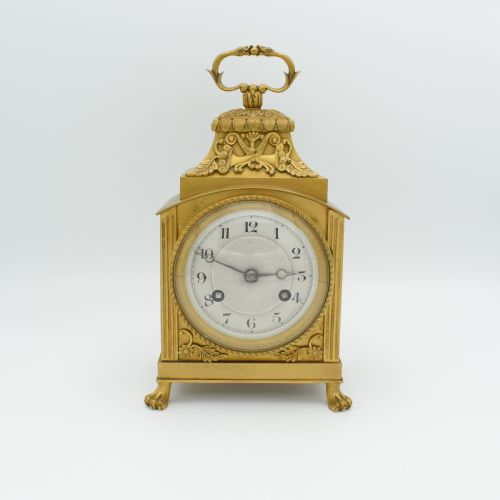


French Ornamental Desk Clock
These French ornamental desk clock pieces bring grand nineteenth-century design to a mantel or table through gilded metal, marble and enamel work.
French Ornamental Desk Clock
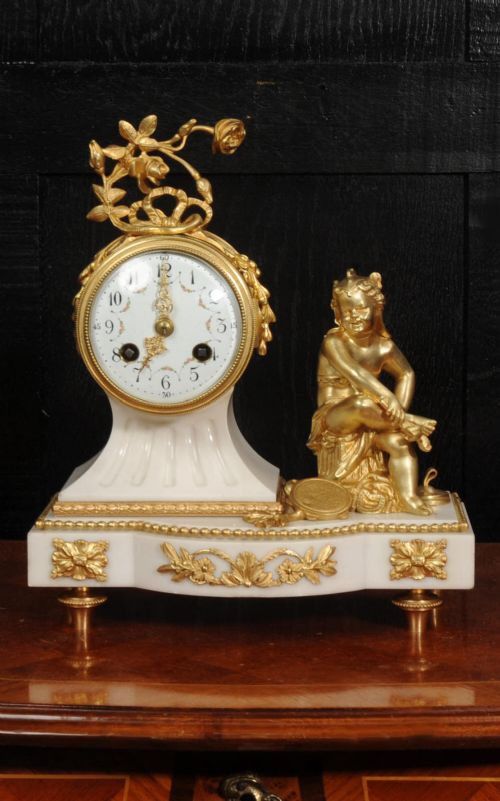
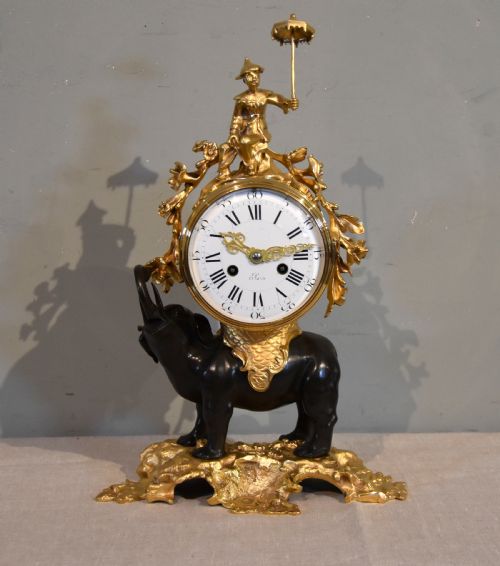
When you search for a French ornamental desk clock, you encounter nineteenth-century timepieces spanning periods from the Victorian era to the turn of the twentieth century. These items appear primarily as mantel clocks and specialised forms like carriage clocks, lyre mystery clocks, and animal figures including elephants and lions.
The styles range widely across French Rococo Revival, Louis XVI Revival, French Empire, and French Belle Epoque designs. Most examples date from the 1860s through to 1900, reflecting the ornate tastes of the nineteenth century.
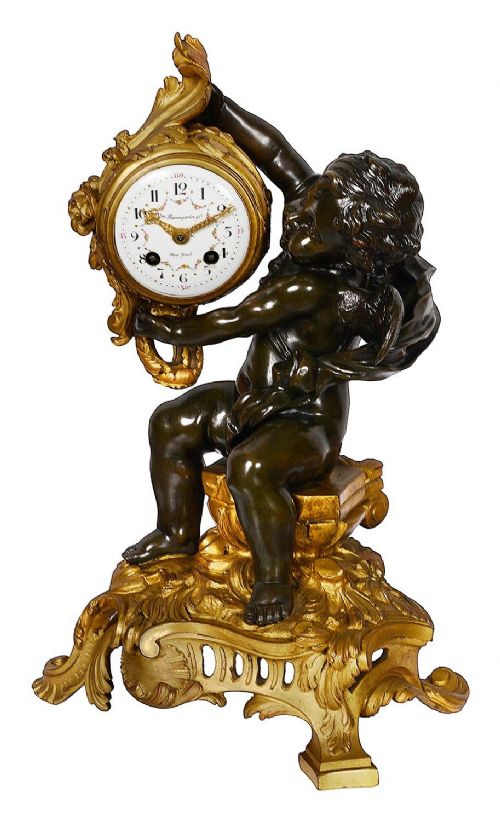
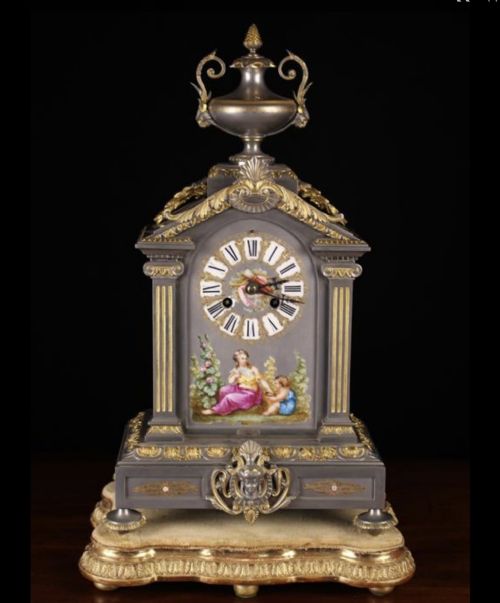
Makers and foundries of the period produced these works in varied configurations, from classical cherub motifs to Gothic interpretations. You will find that these clocks combine timekeeping mechanics with decorative sculpture and architectural stone bases.
Judging quality in nineteenth-century timepieces
Quality rests upon the crispness of the bronze or ormolu casting and the depth of the chasing work on the metal mounts. Superior pieces display sharply defined animal forms, cherubs, and architectural details rather than soft or smoothed edges.
The integration of materials dictates the standard of the object, particularly the selection of the marble base and the hand-painted execution of enamel dials. Signed movements by notable makers or foundries elevate the piece further.
Listings feature nineteenth-century French clocks constructed from marble, ormolu, bronze, and enamel in revival styles including Rococo and Empire.
Japy Freres·Ravrio·Lemerle Charpentier·F Marti
The French Ornamental Desk Clock Glossary
- Ormolu
- Gilded bronze produced by applying a mercury-gilding mixture to cast bronze. This technique creates a durable, bright golden finish characteristic of fine nineteenth-century French metalwork.
- Pendule d'Officier
- A traditional style of French campaign or mantel clock with a distinctive handle on top. These travel clocks originated for military officers on the move.
- Lyre mystery clock
- A clock design shaped like a lyre musical instrument where the movement appears to float without visible gears. Glass plates often conceal the transmission.
- Enamel
- A glassy substance fused to metal dials through firing at high temperatures. It provides a smooth, glossy surface for painted numerals and markers.
French Ornamental Desk Clock: Frequently Asked Questions
How do these clocks wind?
Most of these eight-day timepieces require a key inserted directly into the enamel dial face to tension the internal springs.
Keeping the clock running accurately involves a periodic turn of the key for each winding arbor.
Where should I place a heavy marble clock?
The substantial weight of marble and bronze requires a sturdy mantelpiece, sideboard, or dedicated desk surface.
Ensure the furniture level is even so the mechanical pendulum swings true and keeps correct time.
How do I identify a Victorian French clock?
Victorian examples often display specific nineteenth-century revival styles like Louis XV, Rococo, or Empire alongside gilt metal and porcelain elements.
Many bear the stamp of French foundries or makers on the movement gears inside.
What is an eight day movement?
An eight day movement requires winding approximately once a week to keep the mechanical gears in motion.
This mechanism was standard for nineteenth-century mantel and desk clocks.