



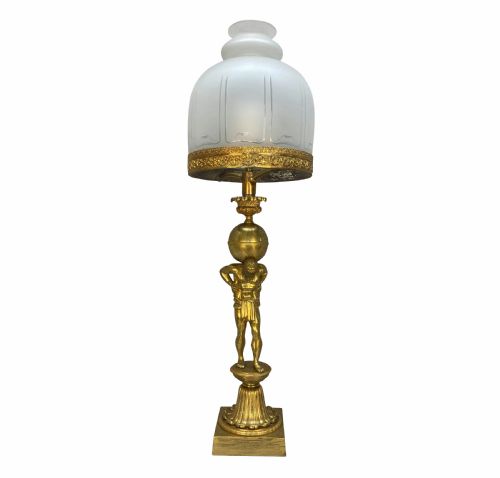

French Ormolu Statue
A french ormolu statue brings cast metalwork and fire gilding together into a decorative object that collectors prize for its rich surface and detail.
French Ormolu Statue
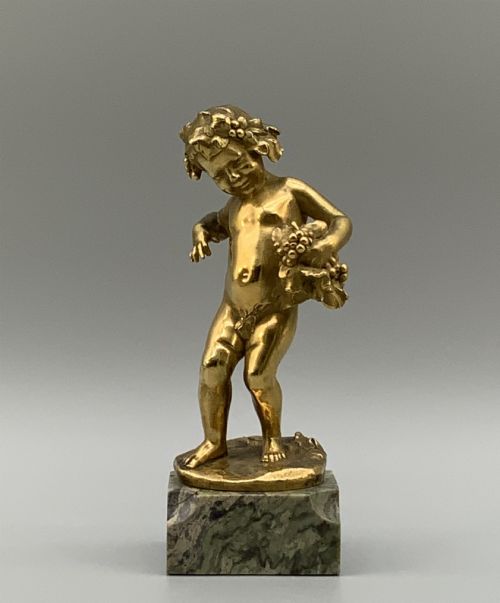
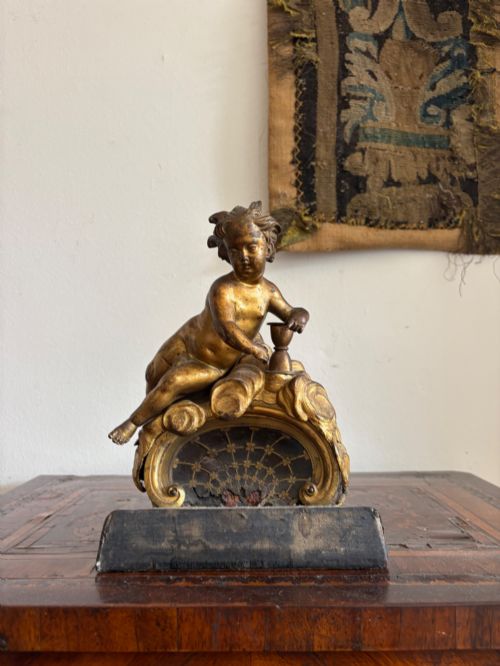
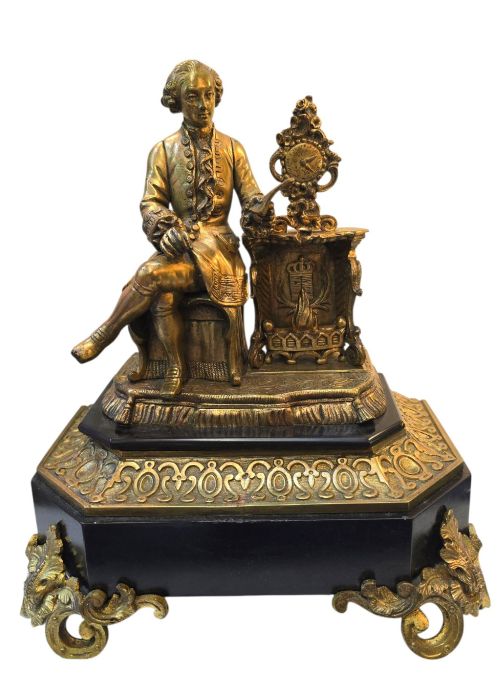
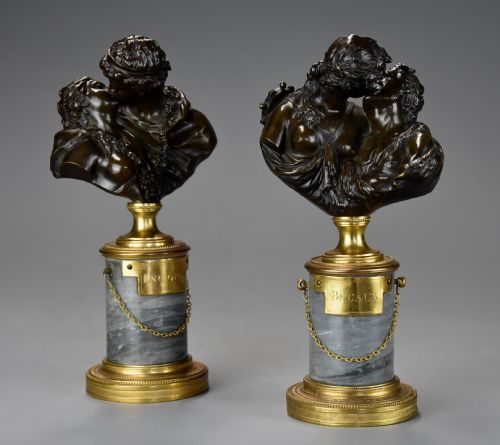
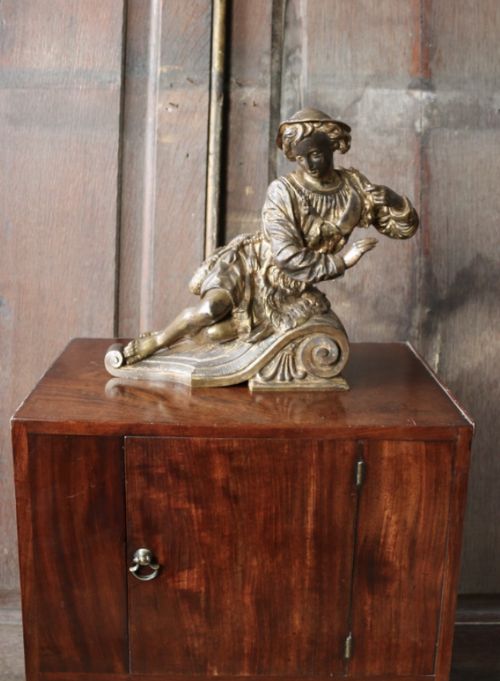
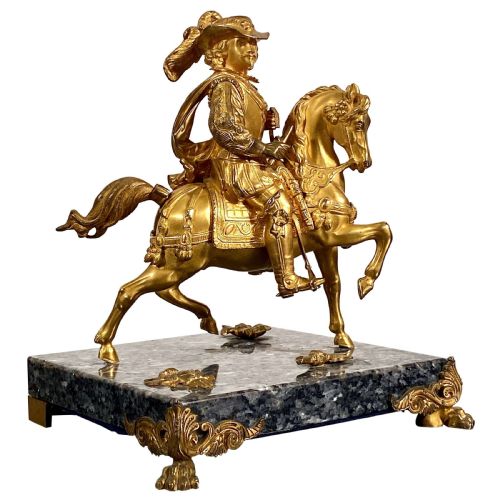
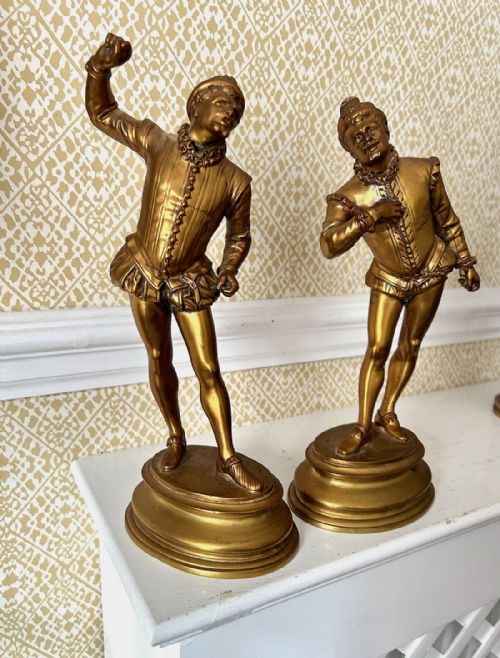
A french ormolu statue encompasses cast metal figures, classical deities, animals, and figural ornaments spanning the eighteenth, nineteenth, and early twentieth centuries. Pieces emerge in varied forms, ranging from single figures of Apollo and putti to functional items like inkstands, clocks, and lamps incorporating gilded components.
Neoclassical, French Rococo, and Art Nouveau styles dominate the selection, often pairing metalwork with marble or onyx plinths. Buyers frequently encounter nineteenth century interpretations of earlier subjects, alongside Grand Tour bronzes and decorative mounts designed for domestic display.
Materials and Technique
Creation relies on bronze or brass casting, followed by the demanding process of mercury gilding to produce the characteristic ormolu surface. Artisans also utilise patinated bronze to create contrast against the bright gilded highlights.
Many works combine these metals with natural stone bases such as marble and onyx, while others integrate frosted glass, enamel, or hand-painted clock dials into the overall composition.
Among the historical figures and classical deities, a grinning bronze dentist bear demonstrates the nineteenth-century fondness for humorous animal casting.
The Measure of Quality
Quality rests in the crispness of the chasing and the depth of the metal casting, where sharper details reveal superior handwork after the mould is removed. The preservation of the original fire gilding, with its distinct warm lustre and varied matte and polished areas, separates finer examples from worn or later-repaired surfaces.
Harmony between the metal figure and its secondary elements, such as a fitted marble plinth or integrated bronze mount, indicates the care taken by the foundry or workshop during assembly.
Charles Louis Malric·Susse Frères·Jean Antoine Houdon·Emile-Coriolan Guillemin·Antoine Louis Barye·Eurotrope Bouret·Christophe Fratin·Jean Jacques Pradier·Victor Paillard·Charlotte Monginot·A. Marionnet
The French Ormolu Statue Glossary
- Ormolu
- Gilded bronze produced through an amalgamation of gold and mercury applied to a base metal and heated. This technique creates a durable, golden surface characteristic of fine decorative arts.
- Patinated bronze
- Metal treated with chemical solutions to alter its surface colour, ranging from deep brown to near black. This finish often highlights gilded ormolu details by contrast.
- Finial
- A decorative ornament fixed to the top of a piece, such as a clock case or furniture mount. These small metal castings terminate a design with formal balance.
- Grand Tour
- The nineteenth-century practice of collecting smaller bronzes and sculptures as travel souvenirs across Europe. These pieces replicate classical antiquities for domestic display.
French Ormolu Statue: Frequently Asked Questions
What is ormolu?
Ormolu refers to gilded bronze created by applying a gold and mercury mixture to a metal base before firing. The intense heat vaporises the mercury, leaving a rich golden layer bonded to the bronze underneath.
This historical process produces a distinct matte and burnished finish that does not tarnish in the manner of ordinary brass. Genuine pieces display depth and warmth across the gilded surface.
How do I clean an ormolu statue?
Maintenance requires only gentle dusting with a soft, dry brush to prevent the accumulation of dirt in recessed areas. Moisture and chemical polishes strip away the delicate historical gilding.
Preserving the original surface means avoiding abrasive cloths or commercial metal cleaners entirely. Professional conservation is advised if deeper cleaning becomes necessary.
How are periods identified?
Dating relies upon stylistic markers such as Neoclassical symmetry, Rococo asymmetry, or flowing Art Nouveau lines. The quality of the chasing and the composition of the underlying bronze offer further clues to age.
Examining the fixings, screws, and marble bases helps confirm whether a piece belongs to the nineteenth century or earlier. Maker signatures and foundry stamps provide definitive chronological anchors when present.
Where were these displayed?
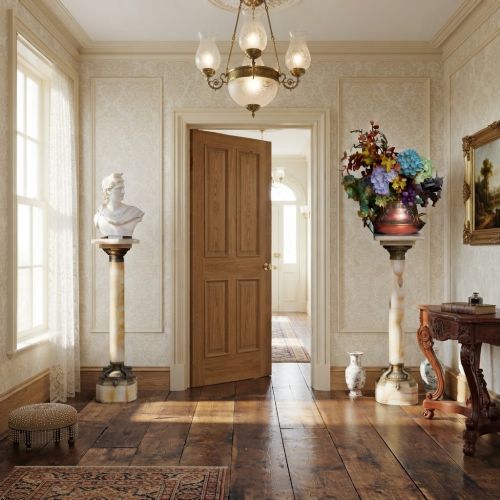
Nineteenth-century interiors incorporated these gilt figures on mantelpieces, desks, and dedicated pedestals within principal reception rooms. Collectors also placed smaller bronzes within cabinets alongside other decorative works of art.
Their reflective surfaces captured candlelight and natural illumination, enhancing the grandeur of period domestic spaces.