



French Ormolu Frame
A french ormolu frame brings unmistakable nineteenth-century decorative presence to a room, offering gilded metalwork that catches the light around photographs, mirrors, and larger furniture pieces.
French Ormolu Frame
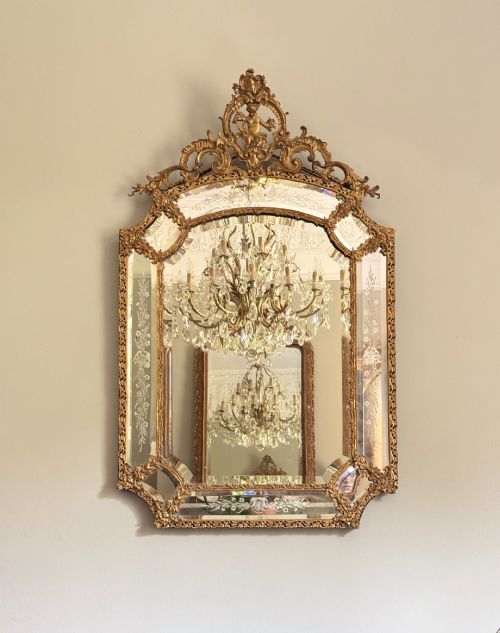
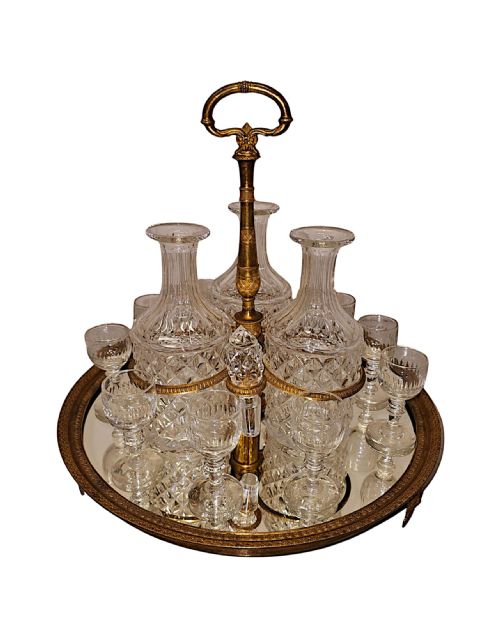
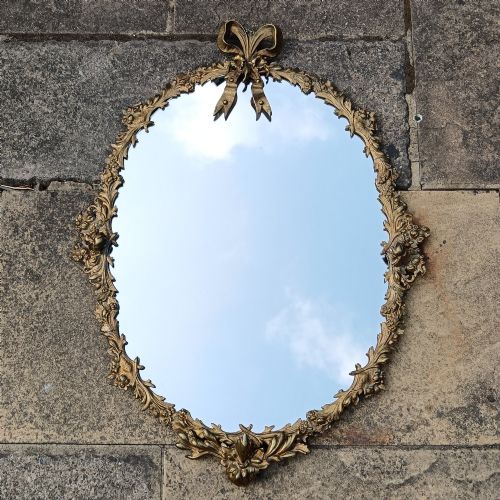
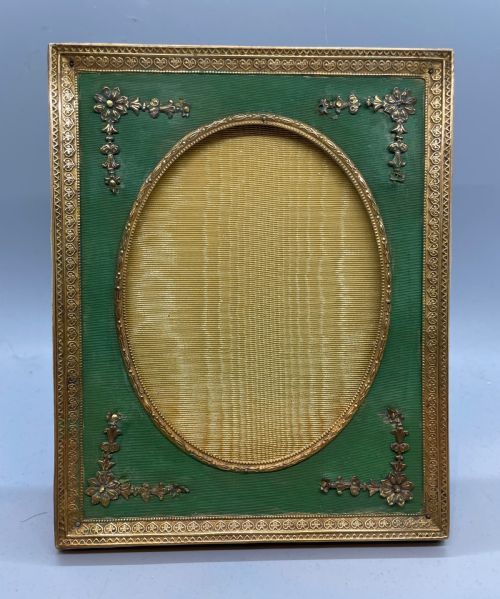
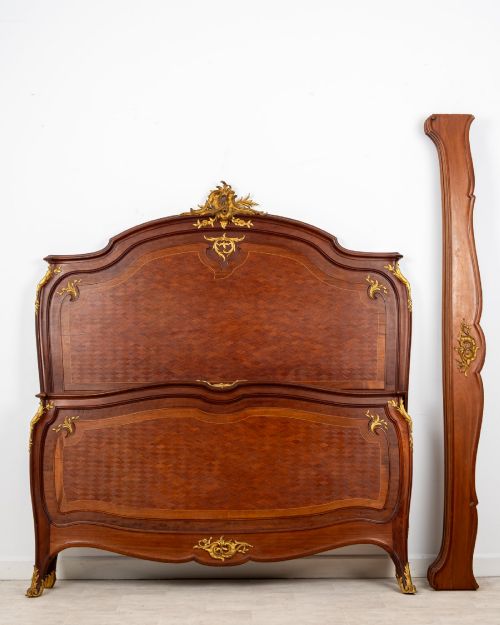
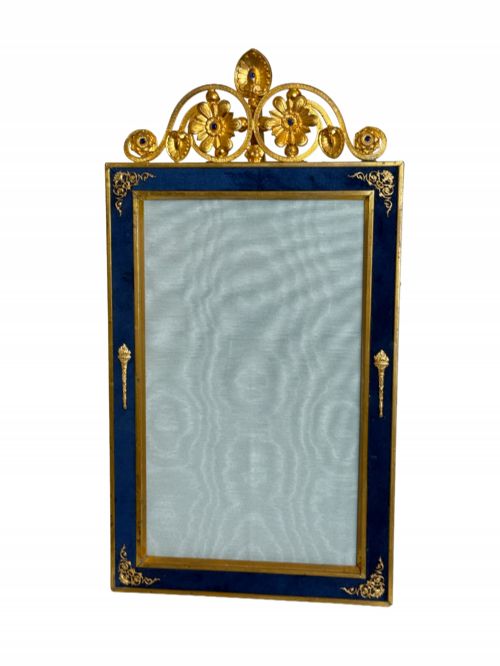
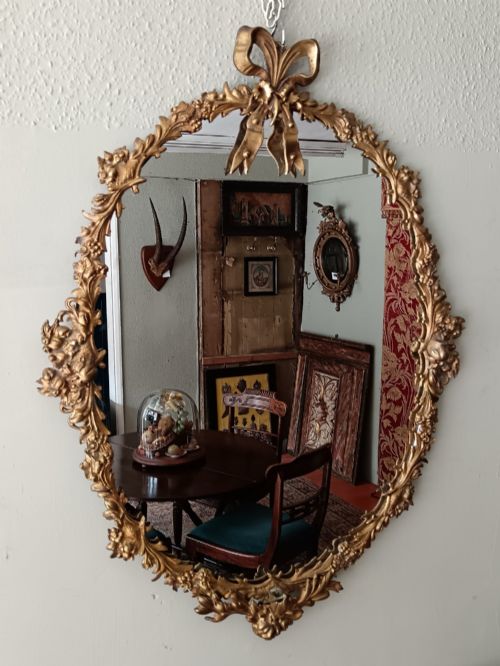
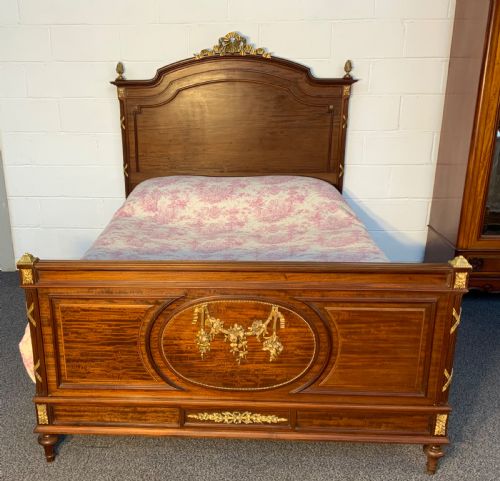
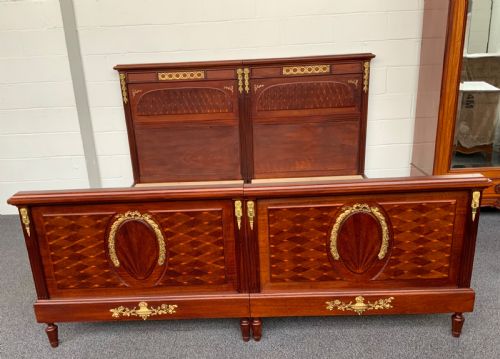
A french ormolu frame most commonly appears as a photograph or picture frame, though similar gilded bronze mounts emerge on larger pieces such as beds, mirrors, and jewellery boxes. These items date predominantly from the nineteenth century into the Edwardian period, spanning styles from French Empire and Louis XVI Revival to Rococo Revival.
The smaller desk and wall picture frames often incorporate detailed cast metal motifs like cherubs, Napoleonic bees, or enamel panels. Alongside these portable frames, the evidence shows ormolu and brass embellishments integrated into the woodwork of grand bedsteads and centrepieces.
How they were made
The metal components rely on cast gilt bronze, ormolu, and brass, shaped into intricate relief decorations and structural mounts. These metal elements are frequently paired with timber carcases like mahogany, walnut, kingwood, and fruitwood, or combined with glass, silk, and velvet backing materials.
Makers utilised traditional casting and gilding techniques to achieve the characteristic bright surface finish of ormolu. In furniture and larger frames, parquetry and quarter veneered woodwork provide a contrasting background for the metal mounts.
French Ormolu Frame Retail Price Guide 2026
Typical asking prices for french ormolu frame among the pieces listed under this phrase on Sellingantiques today, from the lower quarter to the upper quarter. They describe what is for sale here now, not the wider market.
Listings feature picture frames, beds, and centrepieces produced in gilt bronze, ormolu, mahogany, and walnut across the nineteenth and early twentieth centuries.
What varies in quality
The crispness of the metal casting dictates the refinement of the piece, separating finely chased foliage and figures from softer, simpler moulding. Heavier bronze foundations and intricate hand-finished details indicate superior workshops compared to lighter brass alternatives.
The integration between the metal frame and secondary materials like velvet, glass, or exotic hardwoods determines the overall harmony of the construction. Superior examples maintain secure mountings and well-preserved gilding across both the metalwork and the surrounding wooden structures.
Boin Taburet·F.Bienvue
The French Ormolu Frame Glossary
- Ormolu
- Gilded bronze produced by applying a fine layer of gold amalgam to a bronze base. This technique was widely used in nineteenth-century French decorative arts.
- Champleve
- An enamelling technique where troughs are dug into a metal surface and filled with vitreous enamel before firing. It frequently appears on nineteenth-century frames alongside ormolu mounts.
- Parquetry
- Geometric wood mosaic work used for decorative surfaces on furniture. It provides a patterned background for ormolu mounts on beds and cabinets.
- Gilt Bronze
- Metal cast in bronze and subsequently covered with a thin layer of gold leaf or gold wash. It shares the bright appearance of ormolu.
French Ormolu Frame: Frequently Asked Questions
What periods do these frames come from?
The pieces date primarily from the nineteenth century, including Victorian examples, extending up to Edwardian productions around nineteen ten. Various items reflect historical French design revivals associated with the Empire and Louis periods.
Specific dates within the listings generally cluster around the eighteen eighties and nineties, capturing a period of ornate domestic metalwork.
How do I display a desk frame?
Most smaller ormolu and gilt bronze picture frames feature built-in easel backs designed for upright placement on tables, desks, or mantelpieces. Two-way variants offer flexibility for horizontal or vertical photograph orientations.
Ensure the frame rests on a stable surface away from direct moisture to protect the delicate velvet or glass components.
What is the difference between ormolu and brass?
Ormolu specifically denotes gilded bronze, involving a bronze substrate treated with gold, whereas brass is a copper and zinc alloy with its own distinct golden colour. Ormolu typically exhibits a richer, deeper warmth and allows for sharper cast detail.
Many nineteenth-century listings utilise both terms, but bronze provides the heavier foundation historically favoured for high-end French mounts.
Are these frames entirely made of metal?
While many photograph and picture frames consist primarily of cast gilt bronze, others incorporate wooden structures, glass glazing, and fabric panels like silk or velvet. Furniture pieces combine substantial timber frames with ormolu or brass mountings.
Checking the material descriptions reveals whether glass panels and fabric backings accompany the metal structure.