


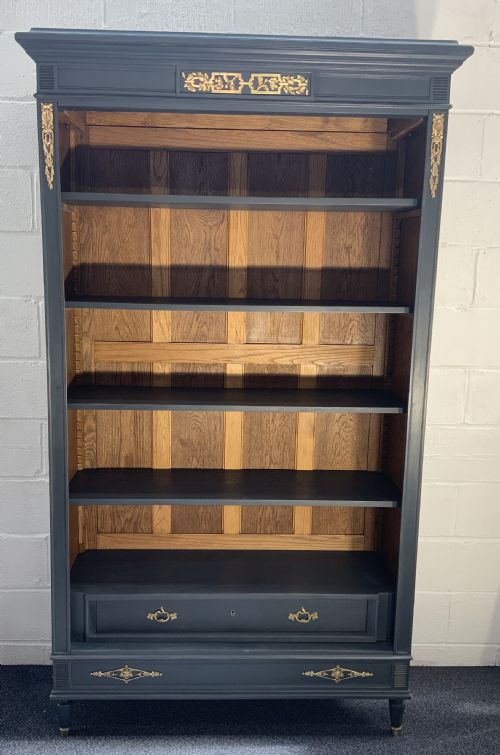


French Open Shelving
French open shelving brings accessible display and storage into a room, uniting practical utility with Continental decorative elegance.
French Open Shelving
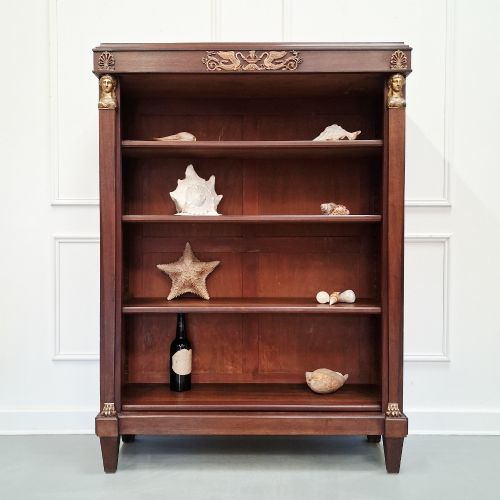
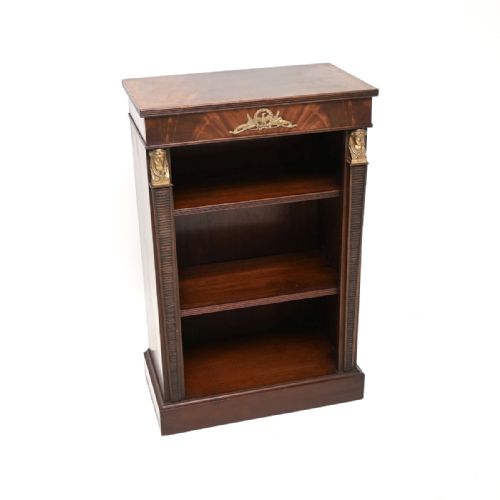
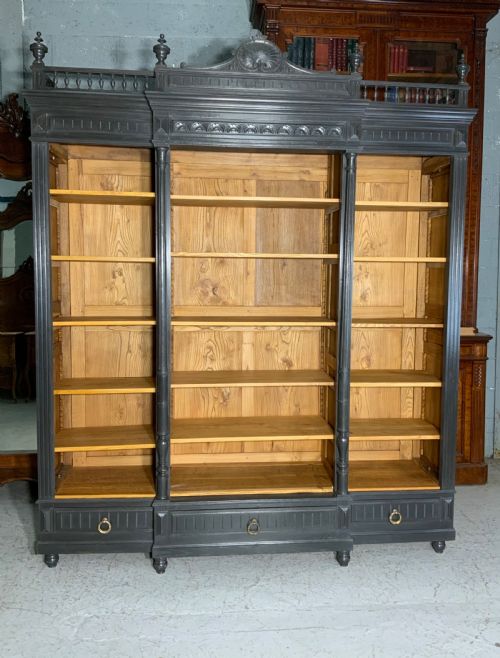
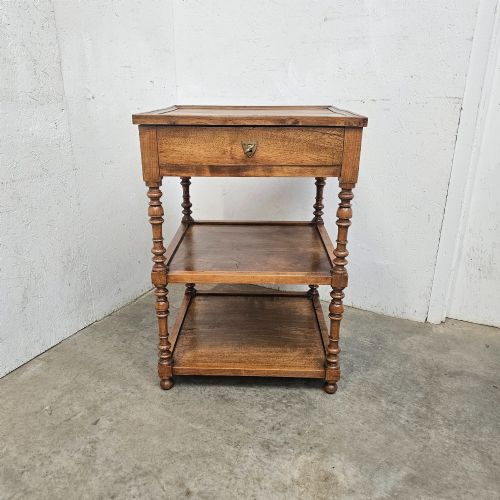
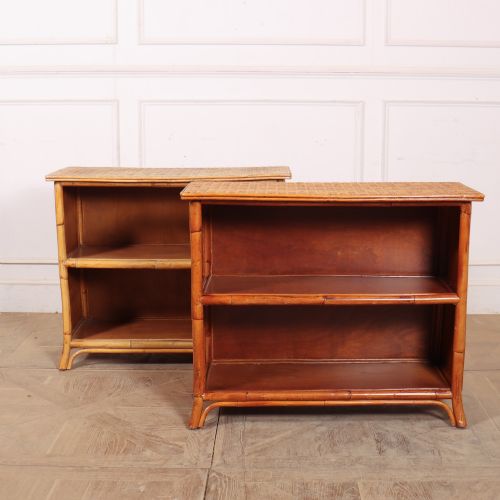
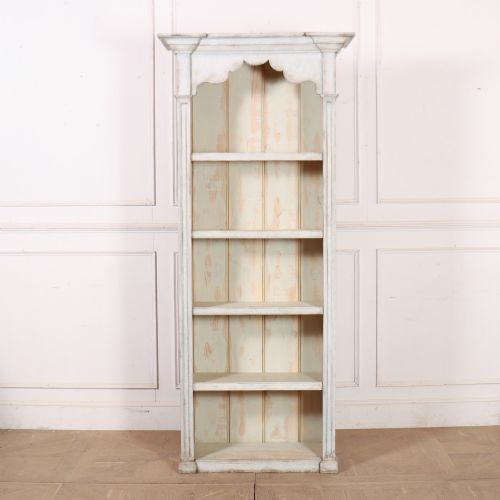
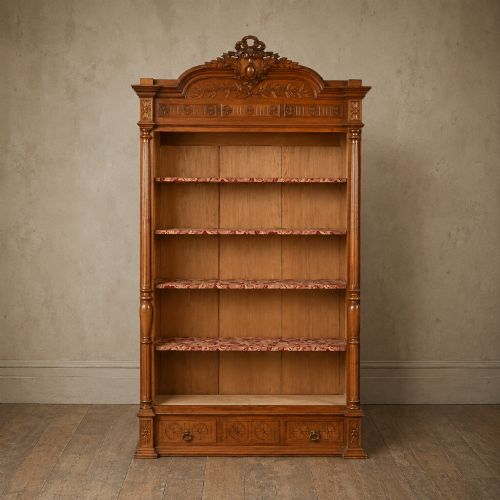
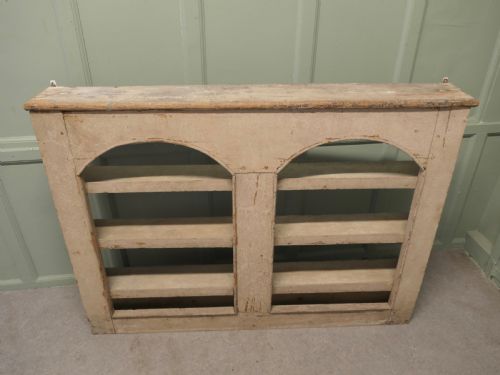
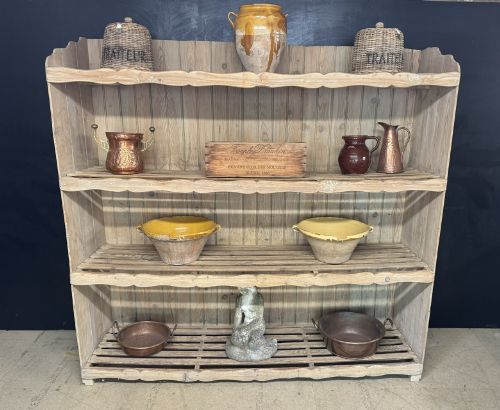
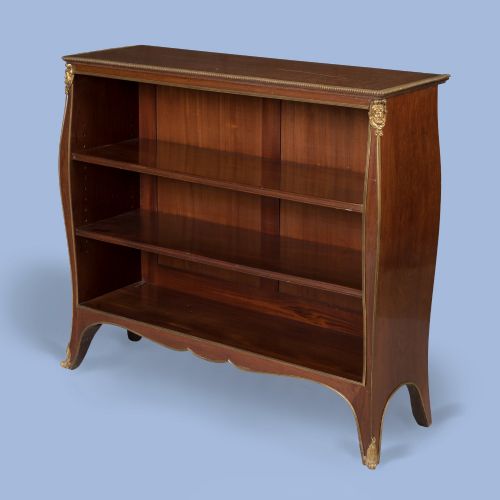
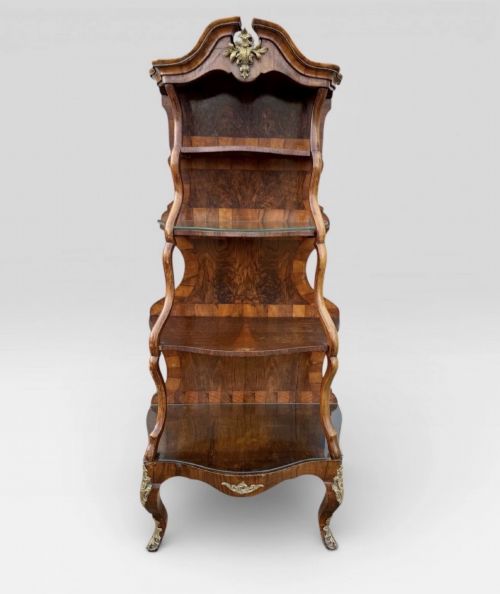
French open shelving encompasses bookcases, etageres, wall shelves, and display units originating from various periods including the nineteenth century and the early twentieth century. Buyers seeking french open shelving encounter forms ranging from low library bookcases to tall open bookcases, corner cabinets, and bakers racks.
The aesthetic vocabulary spans French provincial, French country, Empire, and Neoclassical styles, with numerous pieces displaying classical proportions and decorative detailing. Most examples found here date from the nineteenth century, utilising traditional cabinet-making forms adapted for displaying books and decorative objects.
Materials and construction
Constructed from a variety of timbers including walnut, mahogany, pine, satinwood, kingwood, rosewood, oak, cherry wood, and softwood, these pieces frequently incorporate painted surfaces or polished finishes. Solid wood frameworks provide the primary structure for large open library bookcases and smaller wall-hanging shelves alike.
Metal ornamentation plays a prominent role, with ormolu mounts, brass embellishments, and gilt metal details applied to mahogany, walnut, and ebonised carcasses. Marble tops occasionally feature on specific etageres and cabinets, adding weight and textural contrast to the timber.
French Open Shelving Retail Price Guide 2026
Typical asking prices for french open shelving among the pieces listed under this phrase on Sellingantiques today, from the lower quarter to the upper quarter. They describe what is for sale here now, not the wider market.
Distinctions in quality
Quality reveals itself in the selection of timber veneers, such as figured walnut or rosewood, and the crispness of carved details on solid wood frames. Superior examples display refined proportions and thoughtful joinery that accommodates adjustable shelving without compromising structural integrity.
The execution and weight of metal mounts distinguish finer decorative pieces from simpler utility shelving. Genuine ormolu or finely cast brass mounts integrated into Empire or Louis XV manner designs elevate the visual depth of the woodwork.
The French Open Shelving Glossary
- Etagere
- An open piece of furniture with multiple tiers or shelves designed for displaying small objects or books. It usually stands free on the floor.
- Ormolu
- Gilded bronze or brass applied as decorative mounts to furniture. It is characteristic of French Empire and neoclassical furniture.
- Shodona
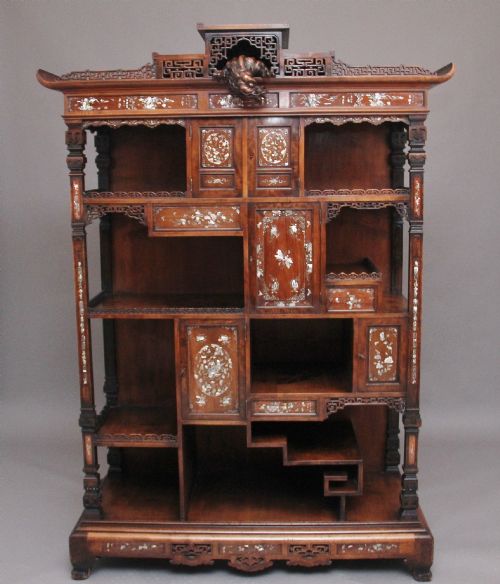
- A decorative display cabinet or stand influenced by Japanese design aesthetics. This form appears occasionally in nineteenth-century French contexts.
- Breakfront
- A piece of furniture whose central section projects forward from the flanking sections. This configuration adds architectural depth to large bookcases.
- Dwarf bookcase
- A low bookcase designed to sit beneath dado height or window level. These pieces maintain open access to upper wall spaces.
French Open Shelving: Frequently Asked Questions
How do I use open shelving in a room?
Open shelving serves to display books, ceramics, and collections while keeping floor space visually uncluttered. These pieces anchor a room by providing accessible vertical storage against walls.
Positioning a low bookcase or etagere near seating areas creates a functional division within larger spaces. The open structure allows light to pass through, maintaining an airy atmosphere.
What styles are common in French open shelving?
The prevalent styles draw from nineteenth-century French design movements, including Empire, Napoleon III, and Neoclassical aesthetics. These incorporate symmetrical lines and classical architectural motifs.
Other examples lean towards provincial or country styles, prioritising simpler painted or polished wooden surfaces over elaborate metal mounts.
How do I identify a nineteenth-century piece?
Nineteenth-century pieces typically exhibit traditional hand-cut joinery, solid timber construction, and period-specific veneers like mahogany, walnut, or rosewood. Metal mounts, when present, show the casting characteristics of the era.
Stylistic markers such as Empire or Louis XV revival details also point towards nineteenth-century production dates.
Are these shelves suitable for heavy books?
Many library bookcases and adjustable shelving units feature sturdy solid wood construction designed to bear the weight of heavy volumes. Adjustable timber shelves offer flexibility for different book heights.
Wall-hanging shelves require secure fixings into wall studs or masonry to support substantial loads safely.