






French Nineteenth Century Box
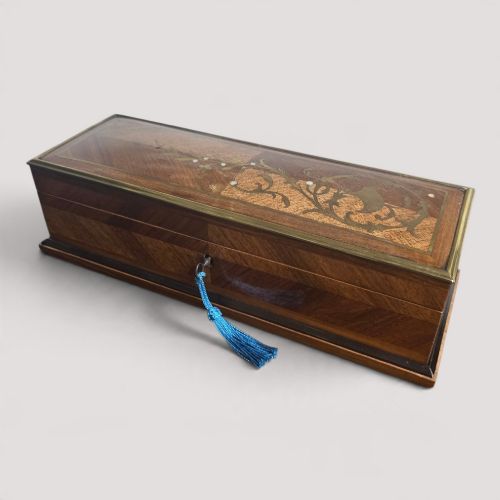
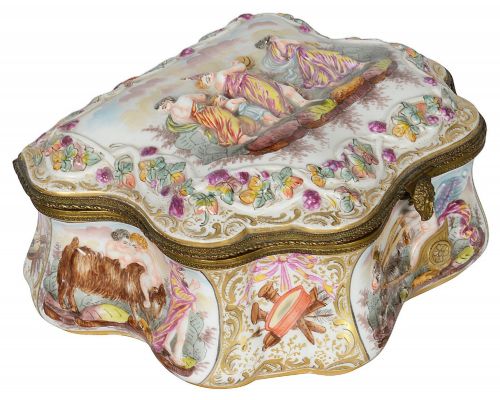
A french nineteenth century box brings continental elegance to a desk, holding everything from trinkets to letters.
French Nineteenth Century Box
A french nineteenth century box encompasses a variety of small containers, including jewellery caskets, glove boxes, tea caddies and decorative pieces designed for the home. These items emerge from periods such as the Victorian era, eighteen-eighty, and eighteen-sixty, reflecting distinct continental tastes.
Materials and construction
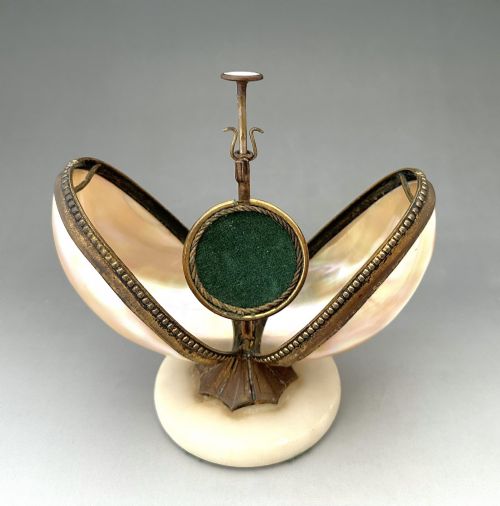
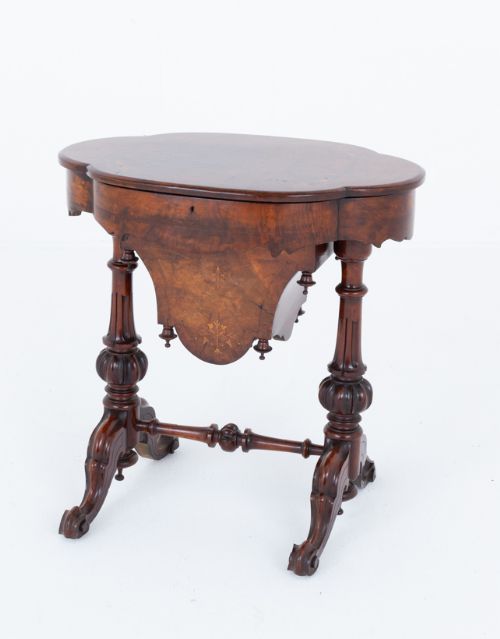
Maker construction frequently combines hardwoods like walnut and rosewood with decorative veneers, brass mounts and mother-of-pearl inlay. Interiors often feature fitted linings in velvet or leather to protect delicate contents.
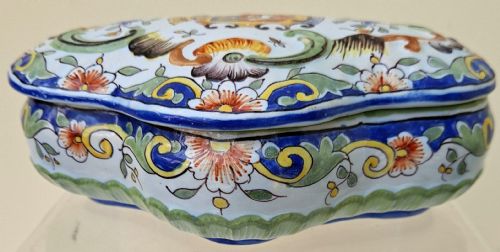
Specialised techniques include hand-painted porcelain inserts, gilt brass ornamentation and intricate marquetry in thuya wood. Artisans also integrated materials such as vermeil and glass, seen in containers housing Baccarat perfume scent bottles.
French Nineteenth Century Box Retail Price Guide 2026
Typical asking prices for french nineteenth century box among the pieces listed under this phrase on Sellingantiques today, from the lower quarter to the upper quarter. They describe what is for sale here now, not the wider market.
Listings feature items from the nineteenth century, including specific dates such as eighteen-fifty, eighteen-sixty, eighteen-eighty, and nineteen-ten.
Assessing quality
Quality in these containers rests on the precision of the woodwork, the integrity of the inlays and the fineness of the metal mounts. Superior examples display seamless joins, sharp casting in gilt brass and well-preserved interior linings.
The sophistication of decorative elements, such as hand-painted porcelain panels or genuine mother-of-pearl detailing, distinguishes finer pieces from simpler utilitarian containers. Original components, including functional locks and fitted trays, elevate the standing of a box.
Victor Raulin·Jean-Baptiste Isabey·Frederic Boucheron
The French Nineteenth Century Box Glossary
- Marquetry
- The art of applying pieces of veneer to a structure to form decorative patterns. This technique uses woods like walnut and rosewood to create ornate surface designs.
- Vermeil
- Sterling silver plated with gold. This material appears on small containers and boxes from the period, offering a rich metallic lustre.
- Etui
- A small ornamental case for holding needles, cosmetics, or other articles. These delicate containers reflect the refined domestic habits of the epoch.
- Cartonnier
- A piece of furniture or desktop accessory designed for holding papers and documents. Larger examples include drawers and cabinets for organised storage.
French Nineteenth Century Box: Frequently Asked Questions
What were these boxes used for?
These containers served specific domestic purposes, holding gloves, jewellery, sewing accessories, or tea. Their designs catered to the refined organisational needs of nineteenth-century households.
Smaller examples sat on dressing tables or desks for personal items, while larger caskets stored letters, documents, or collections of scent bottles.
How do I care for wooden boxes?
Keep wooden containers away from direct sunlight and sudden temperature changes to protect the veneers and prevent the wood from splitting. Gentle dusting with a dry cloth maintains the surface.
Avoid using modern chemical polishes on antique finishes, as these can damage delicate inlays like mother-of-pearl or brass stringing.
Are the interiors original?
Many boxes retain their original velvet, silk, or leather linings, which show signs of age consistent with use. Original fitted trays and compartments often accompany these interiors.
Replacement linings occur due to wear over the decades, so checking the fit and materials helps determine whether the interior matches the box's age.