





French Neoclassical Print
These french neoclassical print pieces bring classical symmetry and historic subjects into modern interiors.
French Neoclassical Print
When you search for french neoclassical print, you look at works on paper, silk, and gouache that draw on classical antiquity and the 18th century. The selection includes framed prints, engravings, lithographs, and architectural subjects alongside related decorative items.
You meet examples spanning the 18th century, 19th century, and the early 20th century. Forms range from single framed artworks to pairs and sets of multiple prints.
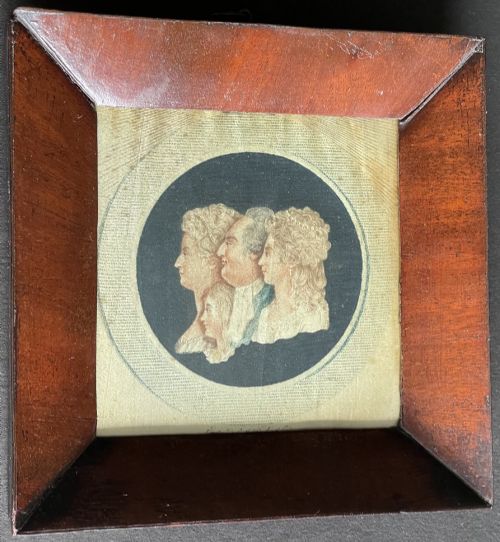
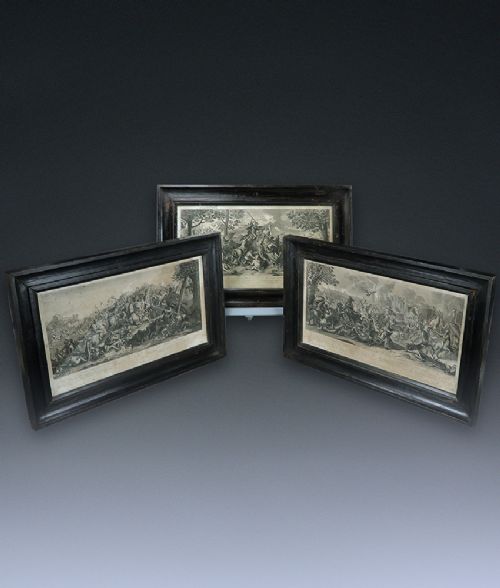
Subjects include classical mythology, architectural monuments like the Arc de Triomphe, historical figures such as Louis XVI, and allegorical scenes. Original frames in wood and gold leaf frequently accompany these works.
How they were made
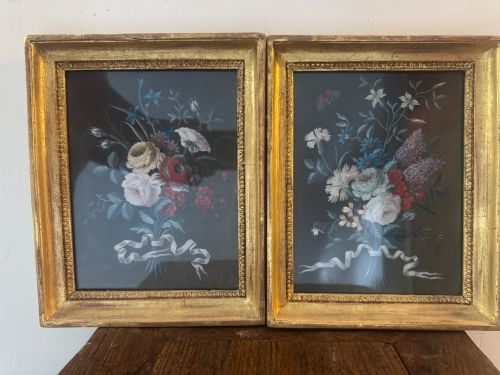
Makers utilised ink on paper and silk for the primary imagery, often applying hand-colouring or gouache to enhance the visual detail. Engraving and lithography serve as the core printmaking techniques across the selection.
Frames employ wood and gold leaf construction, housing the paper or silk behind glass for preservation. Some decorative objects incorporate paper over rigid box structures.
French Neoclassical Print Retail Price Guide 2026
Typical asking prices for french neoclassical print among the pieces listed under this phrase on Sellingantiques today, from the lower quarter to the upper quarter. They describe what is for sale here now, not the wider market.
What varies in quality
Distinctions in quality rest upon the crispness of the ink impression and the fidelity of any hand-applied gouache or colour. Earlier 18th-century plates and distinct impressions display finer line work than later reproductions.
The preservation of the original paper or silk surface dictates much of the value. Inclusion of original period framing, particularly gold leaf wood frames, enhances the integrity of the piece.
Le Brun·Pierre Buillon·Henri Chatillon·Victor Adam
The French Neoclassical Print Glossary
- Engraving
- A printmaking process where an artist cuts an image into a metal plate with a sharp tool. The resulting lines hold ink to transfer onto paper under pressure.
- Lithography
- A planographic printing method based on the mutual repulsion of oil and water. Artists draw on limestone or metal plates to produce multiple impressions.
- Gouache
- An opaque water-based paint composed of pigment, water, and a binding agent such as gum arabic. It dries to a matte finish that covers underlying layers.
- Neoclassical
- A Western cultural movement drawing inspiration from the art and culture of classical antiquity. It emphasises symmetry, proportion, and classical motifs.
French Neoclassical Print: Frequently Asked Questions
What subjects appear on these prints?
The selection covers classical mythology, architectural elevations, historical figures, and allegorical compositions. Scenes draw heavily on ancient Greco-Roman themes and 18th-century French history.
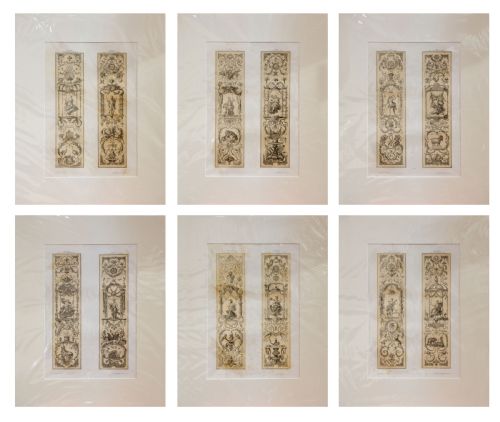
Pairs and sets often depict sequential subjects, such as months or mythological narratives.
Are original frames common?
Many pieces retain their original wood and gold leaf frames, which date from the period of creation. These frames often show period joinery and surface wear consistent with age.
Original framing helps preserve the fragile paper and silk components inside.
How do I care for silk prints?
Silk prints require protection from direct sunlight to prevent fading of the delicate textile and ink. Maintaining stable indoor humidity prevents degradation of the organic fibres.
Keeping the original glass intact shields the fabric from airborne dust and moisture.
How are periods identified?
Dating relies on printing technique, paper characteristics, and stylistic markers associated with the 18th and 19th centuries. Engravings often bear publication dates or artist signatures within the plate margin.
Frame construction and framing materials offer secondary clues to the age of the object.