


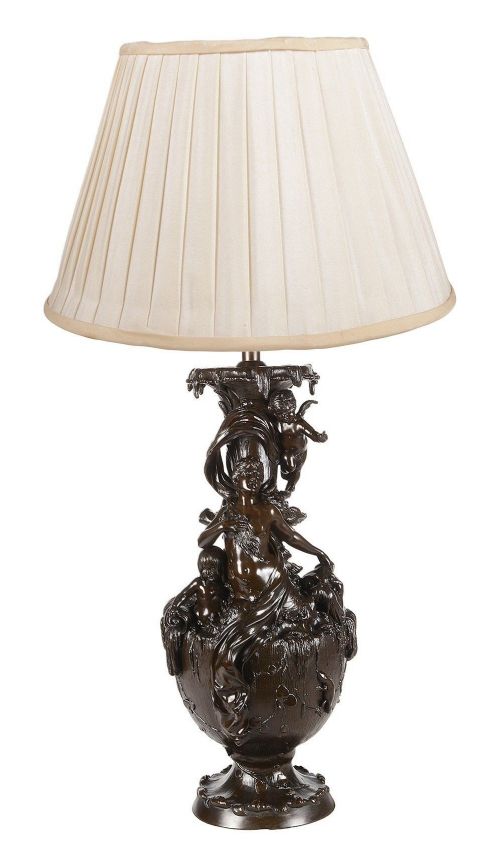


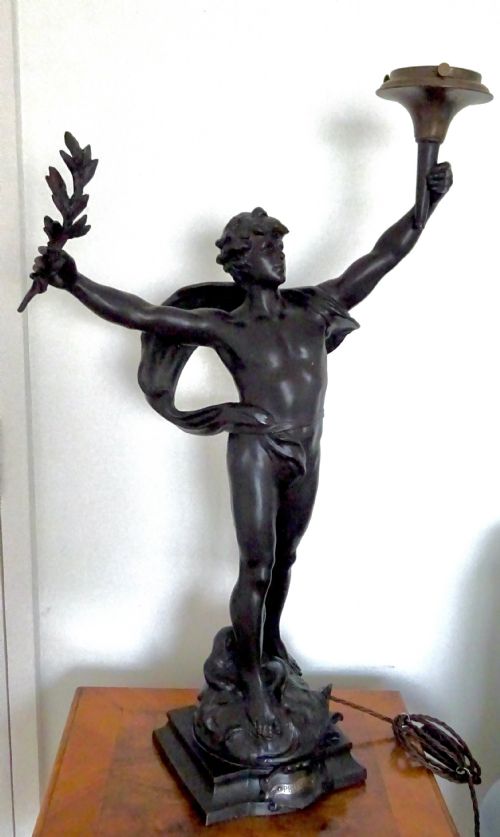

French Metal Sculpture Lamp
These French metal sculpture lamp examples combine figural foundry work with practical illumination, offering buyers a decorative centrepiece for period interiors.
French Metal Sculpture Lamp
A french metal sculpture lamp integrates cast figural work with lighting components, commonly taking the form of table lamps and night lights. When you search for this phrase, you encounter pieces originating from the nineteenth century through the Art Deco era.
The selections available here span diverse aesthetic movements, including Neoclassical, Art Nouveau, and French Art Deco styles. Figures range from mythological subjects like the Goddess Amphitrite to animals and cultural studies.
Makers and foundries utilised various base materials to support the sculptural elements, frequently mounting figures on marble plinths. Shade options include fabric, glass, crackle glass, and torchere designs that complete the assembly.
Materials and construction methods
Foundries cast figures primarily in bronze or spelter, applying patinas or bronze finishes to achieve the desired metallic appearance. Spelter pieces often date from the early twentieth century, while bronze examples appear across nineteenth-century and Victorian periods.
Sculptural bases frequently incorporate marble for weight and stability, paired with brass fittings and specialised glass elements. Shade variations utilise traditional fabric construction alongside moulded crackle glass and specialised torchere components.
Materials documented across the inventory include brass, fabric, crackle glass, and patinated metals.
Assessing quality in sculptural lighting
Material selection dictates durability and presence, with genuine bronze and solid marble commanding higher regard than lighter spelter compositions. The integration between the sculpture and the electrical or lighting mounts reveals the original intent of the maker.
P.Sega·Adrien Gaudez·Moreau
The French Metal Sculpture Lamp Glossary
- Spelter
- A zinc alloy commonly used as a cost-effective alternative to bronze for sculptural castings. It takes patination well but requires careful handling due to its relative softness.
- Torchere shade
- An uplighter shade style directing illumination upward, frequently associated with floor or large table lighting. These components complement tall figural lamp designs.
- Patina
- The surface coloration and sheen developed naturally over time or applied chemically by the foundry. It enhances the depth and detail of metal sculptures.
- Crackle glass
- Glass deliberately fractured during manufacturing to create an internal network of fine lines. This texture diffuses light softly in decorative night lights and lamps.
French Metal Sculpture Lamp: Frequently Asked Questions
What periods do these lamps cover?
The available inventory spans from the nineteenth century, through Victorian and Edwardian eras, into the 1920s and 1930s.
Art Deco and Art Nouveau aesthetics dominate the later twentieth-century examples, while earlier pieces reflect classical and neoclassical traditions.
How do bronze and spelter differ?
Bronze provides a heavier, more durable medium favoured for nineteenth-century classical figures and high-end commissions. Spelter offers a lighter, zinc-based alternative that gained widespread popularity around the turn of the twentieth century.
Both materials accept patinas and bronze finishes, though bronze retains sharper detail through decades of cleaning and handling.
Where were these lamps placed originally?
These decorative pieces served as functional art on desks, side tables, and mantelpieces in period drawing rooms and parlours. Night lights and smaller figural lamps provided ambient illumination in bedrooms and hallways.
The inclusion of marble bases and sculptural figures ensured they functioned as ornaments even when unlit.
What types of shades accompany them?
Original and replacement configurations include fabric shades, torchere glass, and textured crackle glass fittings. These elements diffuse the light cast by the central bulb while complementing the metallic finish of the figure below.