






French Marble Plinth
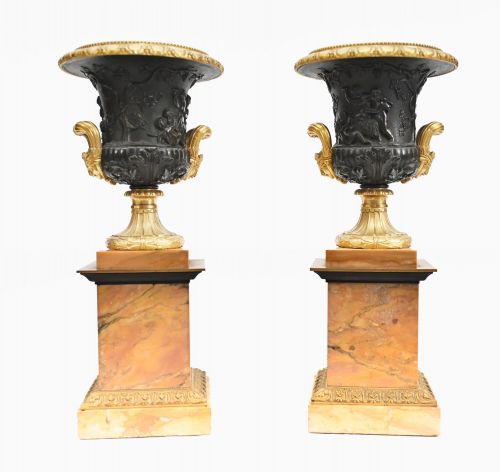
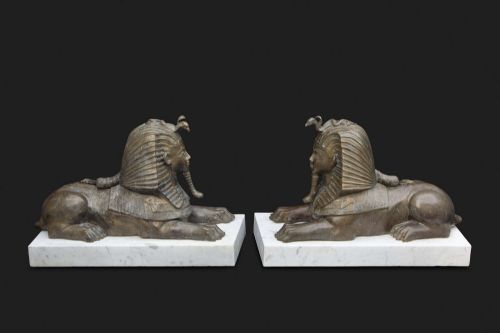
A french marble plinth elevates bronze figures and urns with neoclassical weight.
French Marble Plinth
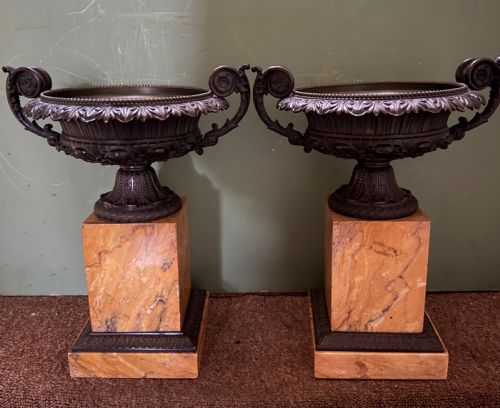
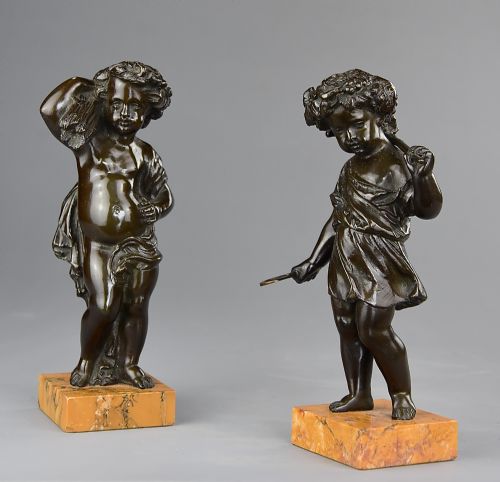
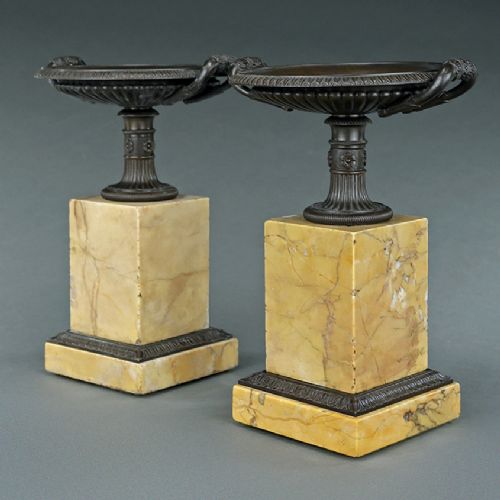
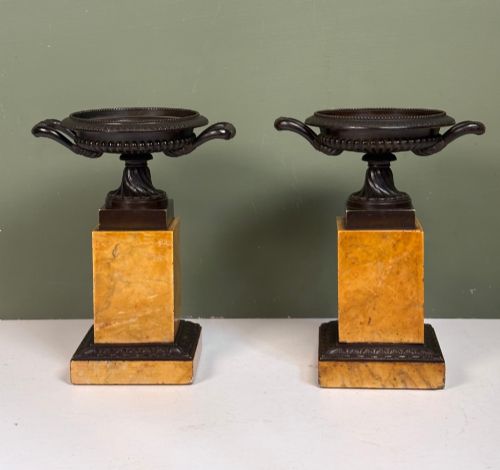
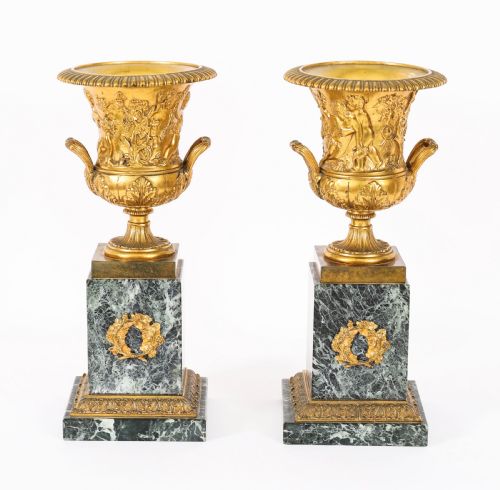
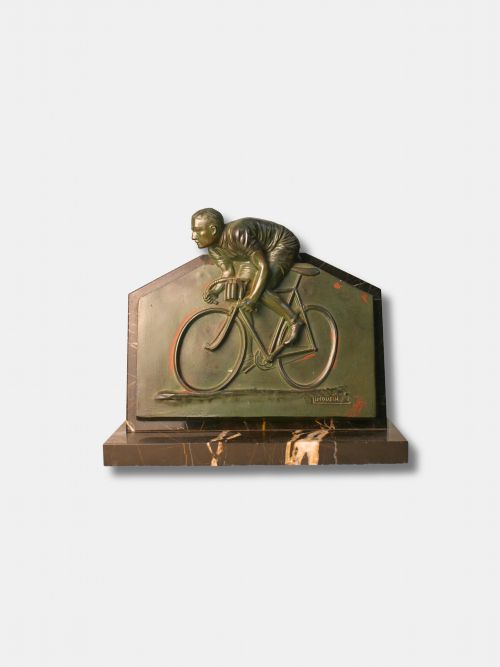
When searching for a french marble plinth, buyers encounter columns, pedestals and smaller sculptural bases designed to elevate art objects. These supports lift bronze figures, tazzas and urns into prominent display positions within a room.
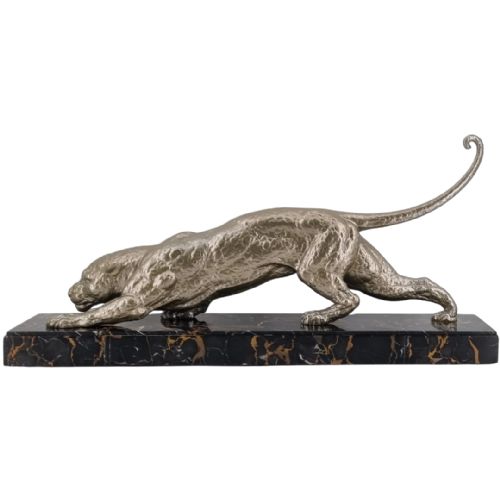
The selections on this page span from the eighteenth century through the art deco period. Most items combine carved stone shafts with cast metal mounts in neoclassical or empire styles.
Smaller examples function as integral parts of cabinet sculptures and candlesticks, while larger columns stand independently on the floor. Both formats serve to frame decorative objects through contrasting textures of stone and metal.
Materials and construction
The construction relies on heavy stone bodies turned or carved from marbles such as sienna, verde antico and carrara, alongside banded varieties of onyx. These mineral pillars provide dense structural weight to support heavy metal sculpture.
Craftsmen mounted ormolu, gilt bronze and brass collars, capitals and feet onto the stone columns. These cast metal additions introduce reflective metallic detail against the polished surface of the marble plinth.
French Marble Plinth Retail Price Guide 2026
Typical asking prices for french marble plinth among the pieces listed under this phrase on Sellingantiques today, from the lower quarter to the upper quarter. They describe what is for sale here now, not the wider market.
Listings feature 19th century and art deco periods using bronze, ormolu, onyx and various marbles.
Factors of quality
Quality rests in the precision of the stone turning and the crispness of the cast bronze mounts. Superior examples display tight joins between metal collars and stone shafts without gaps.
D H Chiparus·Claude Michael Clodion
The French Marble Plinth Glossary
- Ormolu
- Gilded bronze used for decorative mounts and decorative collars. This technique gilds a bronze base with finely ground gold amalgam.
- Tazza
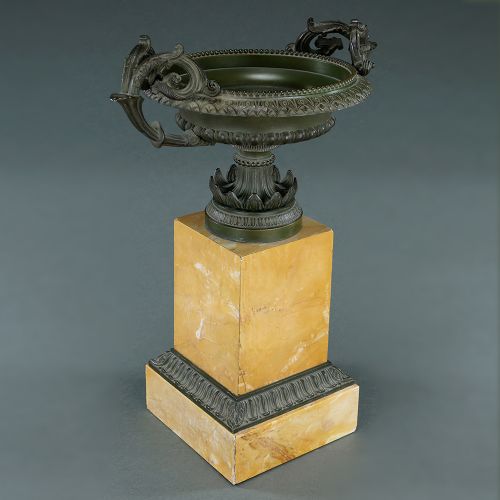
- A shallow bowl or vase mounted upon a stem and foot. These vessels frequently rest upon marble plinths as ornamental centrepieces.
- Verde Antico
- A dark green serpentine marble historically utilised for classical columns. Its mottled pattern provides strong visual contrast against bright metal mounts.
- Grand Tour
- A period of travel through continental Europe undertaken by wealthy young men to collect classical antiquities and art. Items from this tradition often feature architectural marble columns and bronze reductions of ancient statues.
- Spelter
- An alloy of zinc used as a substitute for bronze in decorative figures and statuettes. It appears frequently on twentieth century bases.
French Marble Plinth: Frequently Asked Questions
What objects sit on a french marble plinth?
These supports hold bronze sculptures, tazzas, urns and decorative vessels.
They also carry portrait busts and small candelabra within period interiors.
How do I date a french marble plinth?
Dating relies on the stylistic markers of the bronze mounts and the turning of the stone column.
Neoclassical and empire examples display strict architectural proportions, while later art deco pieces introduce geometric patterns.
Where were these columns placed in a room?
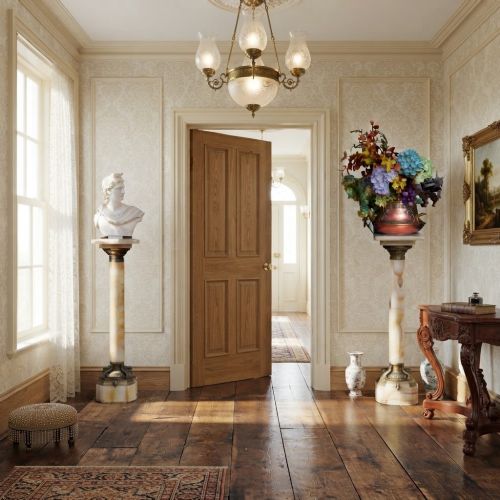
Larger floor columns stood in corners or halls to display figural bronzes at eye level.
Smaller plinths remained on tables beneath cabinet bronzes and clock garnitures.
What is the difference between onyx and marble?
Onyx displays a translucent banded structure formed by groundwater deposits.
Marble is a metamorphic rock with crystalline texture and veining created through heat and pressure.