




French Mantelpiece Sculpture
These french mantelpiece sculpture pieces bring nineteenth-century foundry work and twentieth-century animalier studies directly to your hearth.
French Mantelpiece Sculpture
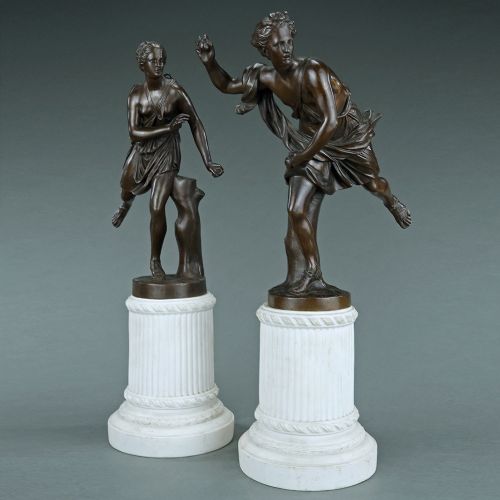
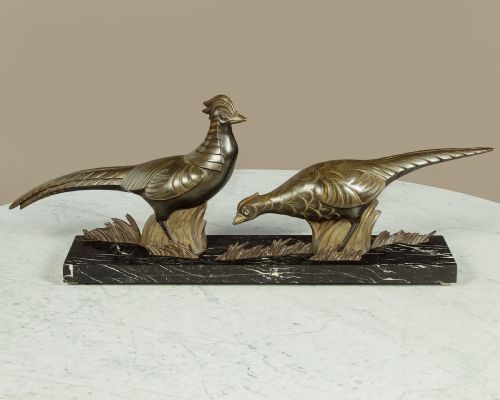
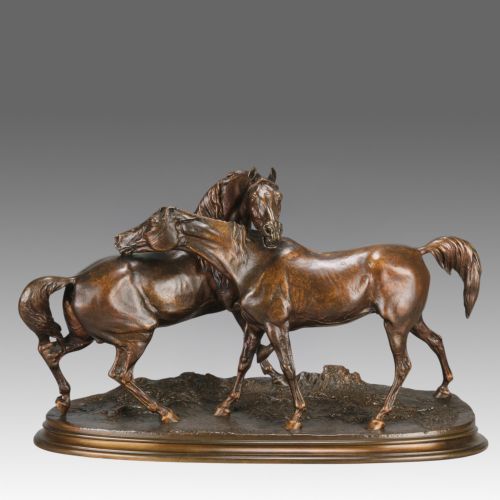
When you search for french mantelpiece sculpture, you encounter figures and groups designed to sit upon a chimney breast. The selections span nineteenth-century classical subjects and twentieth-century animalier or art deco groupings.
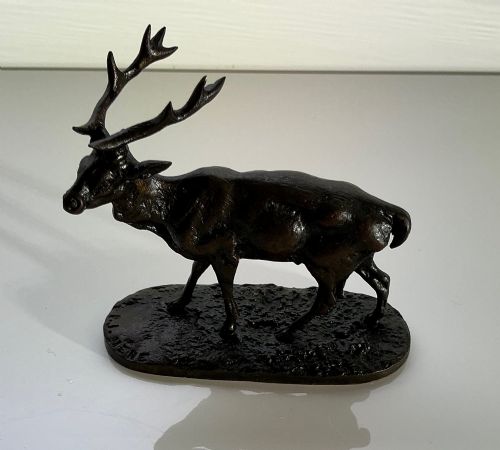
You meet subjects ranging from mythological figures and musketeers to deer, pheasants, and domestic mantel clocks. Materials include bronze, spelter, marble, onyx, and porcelain.
The objects derive from French workshops operating during periods such as the nineteenth century, the regency era, and the nineteen-thirties. They take the form of standing statues, figural groups, and clock garnitures.
How they were made
Foundries utilised cast bronze and spelter for figural subjects, often applying a patinated or gilt finish to the metal surface. Spelter served as a more accessible alternative to bronze during the art deco period.
Sculptors mounted metal figures onto heavy bases constructed from marble and onyx to provide stability for mantel placement. Wood and alabaster also appear as structural materials for clocks and decorative carvings.
Listings feature works spanning the nineteenth century, the regency period, and nineteen-thirty art deco designs.
What varies in quality
The quality of the marble or onyx base and the integration between the figural group and its support influence the overall presence of the piece. Patination depth and original gilding preservation also affect the visual weight of the sculpture.
Barbedienne·P J Mêne·Sibylle May·Edouard Drouot·C Masson·Eugene Clauss·Charles Cumberworth·Japy Freres·J C De Blezer·Francois Moreau
The French Mantelpiece Sculpture Glossary
- Animalier
- A nineteenth-century artistic movement focused on the realistic depiction of animals. Sculptors such as P J Mêne specialised in these dynamic wildlife studies.
- Spelter
- A zinc alloy commonly utilised as a cost-effective substitute for bronze in decorative figures. It accepts patination readily to simulate heavier metals.
- Gilt Bronze
- Bronze metal treated with a thin layer of gold or gold-coloured wash. This technique enhances decorative brilliance on clock mounts and figural groups.
- Art Deco
- A design style prominent around nineteen-thirty characterised by stylised geometric forms and streamlined figures. It appears across metal sculptures and clock cases on this page.
- Regency
- An early nineteenth-century design period associated with classical ornamentation and Napoleonic motifs. Pieces from this era display formal architectural restraint.
French Mantelpiece Sculpture: Frequently Asked Questions
How do I identify spelter from bronze?
Spelter is a lighter zinc alloy that often shows a greyish tone beneath worn patination, whereas bronze maintains a heavier weight and a warmer metallic underlayer.
Foundry marks and the crispness of the casting detail also help distinguish between the two materials.
Where should I place these sculptures?
These pieces suit mantelpieces, console tables, and shelves where their vertical forms can be viewed from multiple angles. Stable surfaces are essential due to the heavy marble and metal construction.
Keep them away from direct heat sources to protect patinated finishes and delicate stone bases.
How do I care for antique metal sculptures?
Dust the surface gently with a soft dry cloth to prevent particulate buildup on the patinated or gilt finish. Avoid chemical polishes that can strip original patination from bronze or spelter.
Maintain stable indoor humidity levels to preserve the integrity of associated marble, onyx, and wood components.